Dr. Rudolf Schmitt
Professor in Food Microbiology and Food Safety (retired)
Department of Preventative Health Sciences
Namibia University of Science and Technology
April 17 - 30, 2026
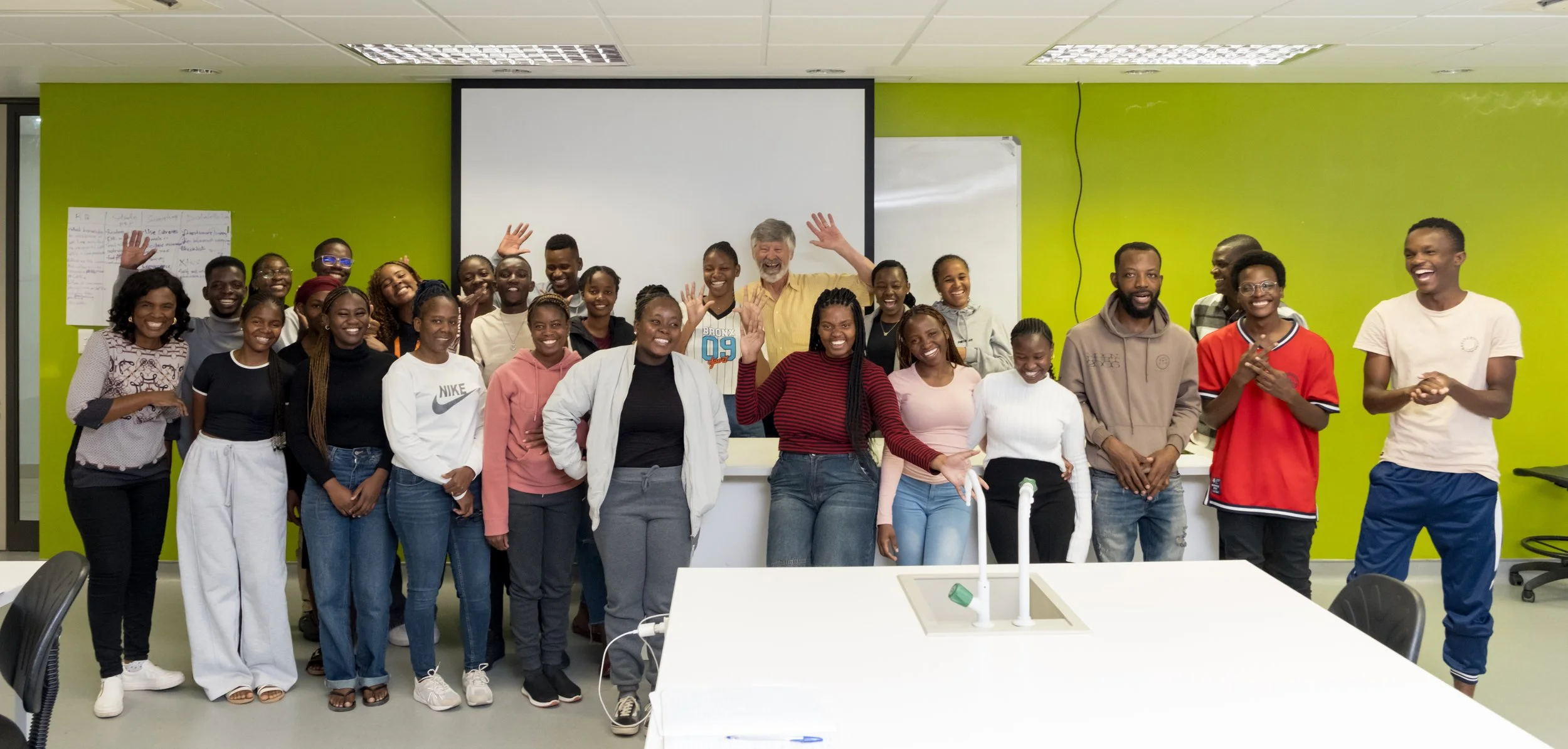
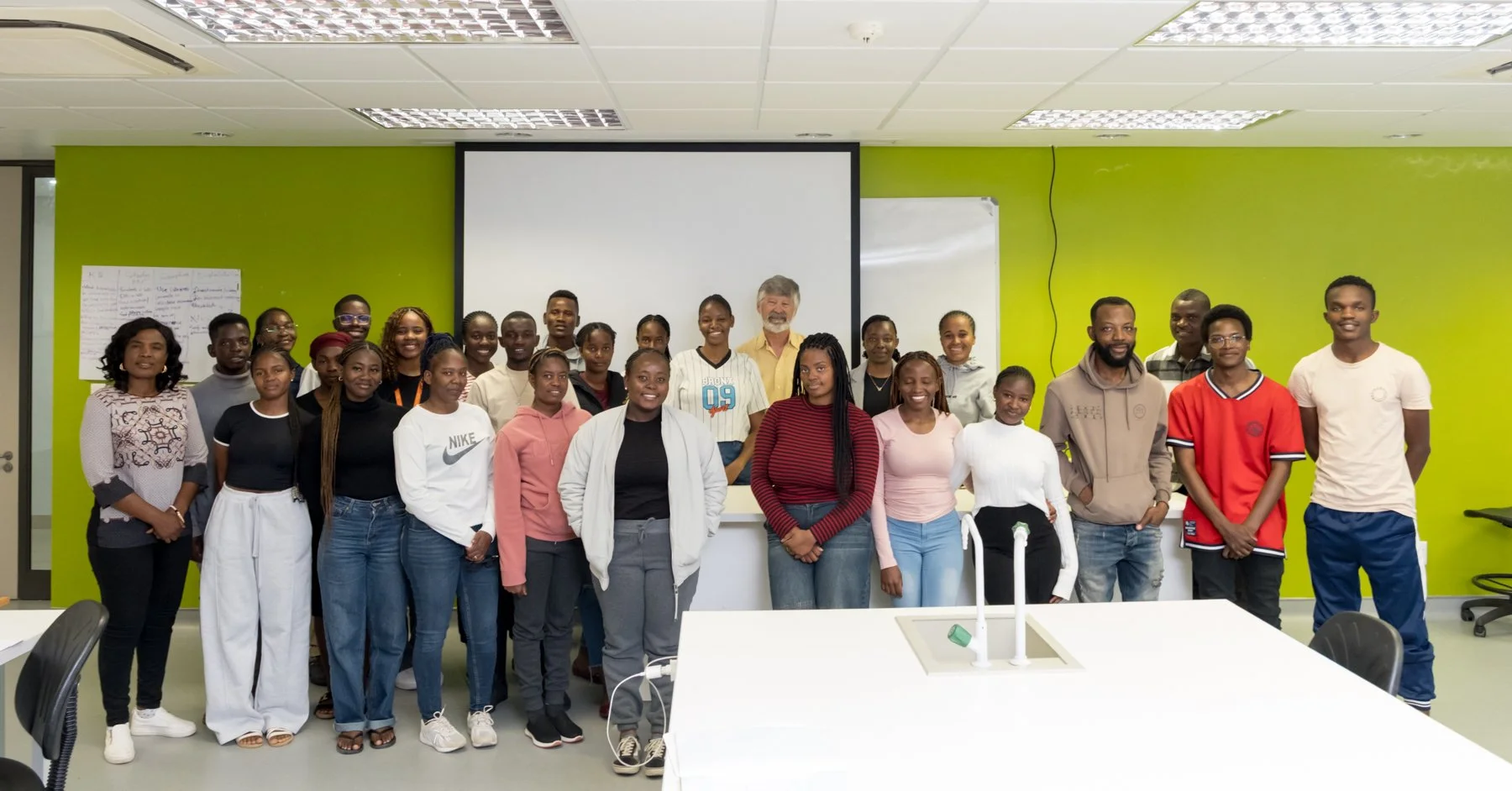
It was just like in previous years: After landing at Husea Kutako International Airport, time-consuming immigration and customs procedures, the NUST driver was waiting for me and took me to Polyheights. The next day, I had the first meeting with my colleagues at NUST and with Nico Smit, whom I met for the first time in his new role as head of the new B360 Namibia office, followed by my introductory session with the nearly 50 fourth-year students.
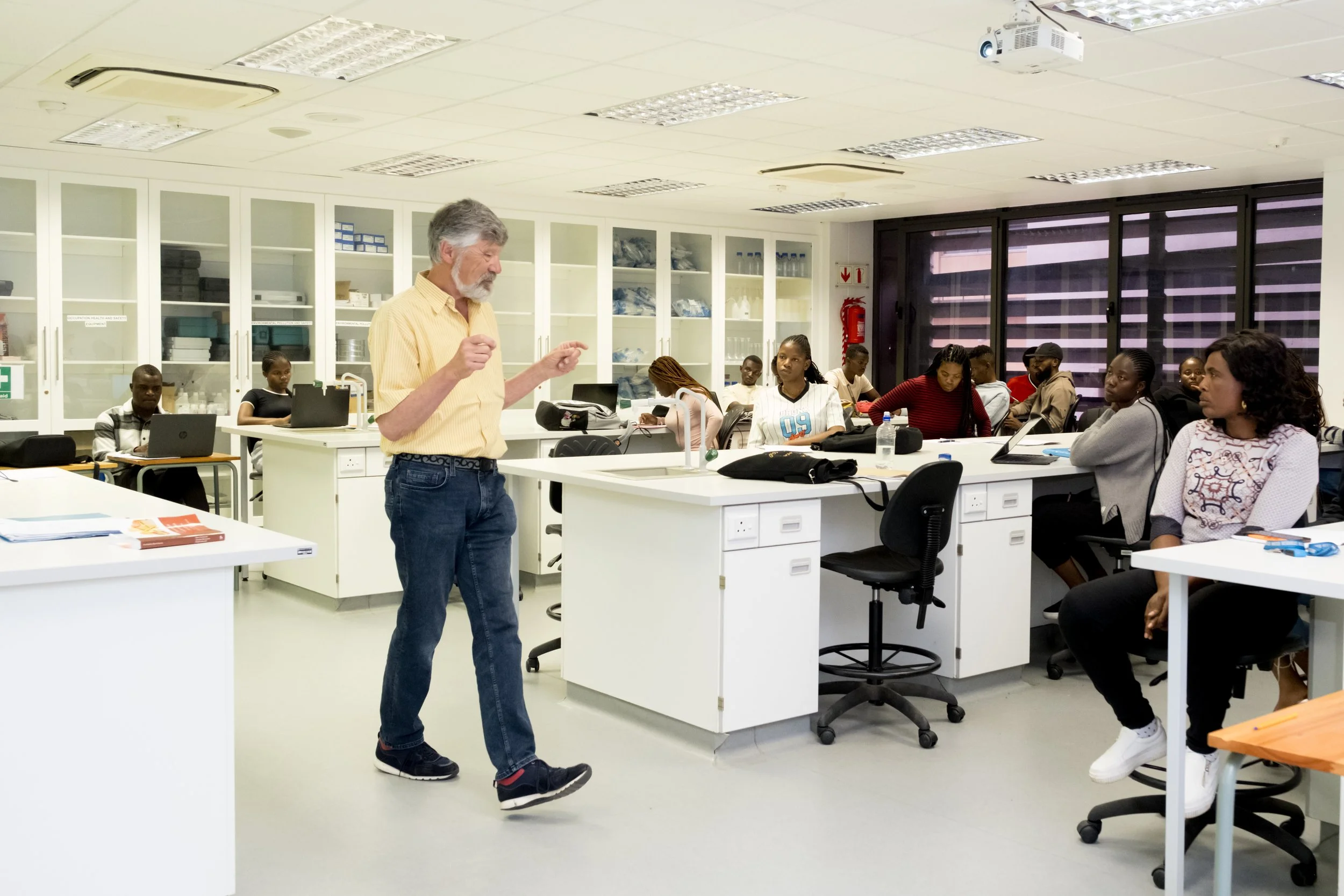
Everything that followed was different from previous years: a superbly organized field trip week, the impressions from which were processed during my second week and thus shaped the teaching. At first, I had concerns about how I could structure interactive, practice-oriented lessons with such a large group that would keep the students engaged. It worked out because, once again, they were very disciplined, interested, polite, and eager-to-learn young people.
Cooperation with university staff
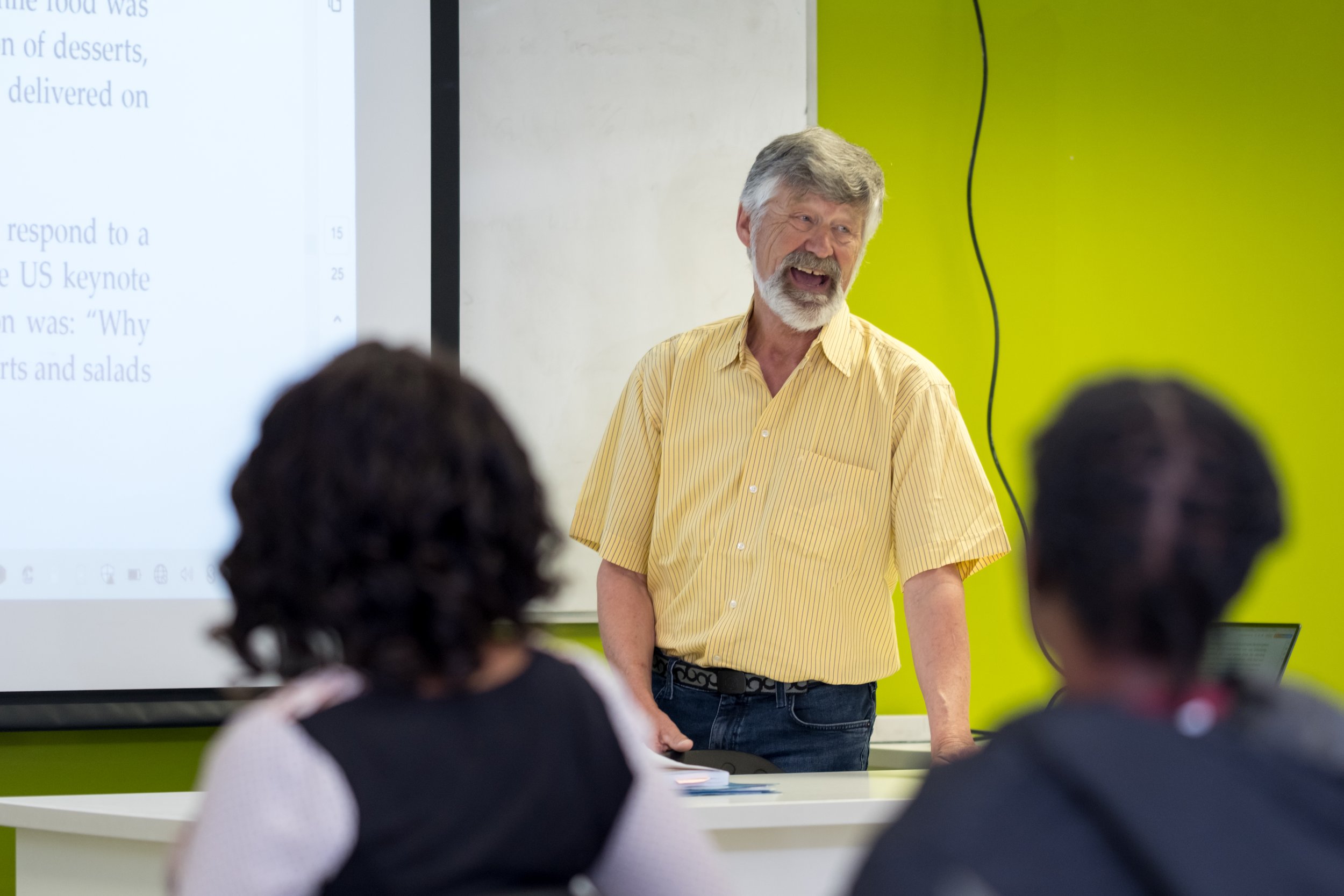
Without strong collaboration with our local staff, our work simply wouldn’t be possible. We’ve known each other for many years, so our mutual expectations are clear and have once again been met – for which I am very grateful.
First and foremost, I must thank Ms. Charmaine Jansen, who has been a close friend of mine since 2010, when we first sat down together to refine the curriculum for the EHS program. She flies the flag for B360 in the department; she is deeply committed to “her” students; she is like a mother to them, and I can rely on her almost blindly. That was the case this time as well, and we discussed – both in advance and on the fly – what needed to be done during these two weeks.
No less valuable was the support and conversations with Rebecca Shooya and with Salmi Iita. Our week-long excursion gave us the opportunity to get to know Charity, Sekunda Hamunyela, and Joshua Hidinwa better, and at our welcome and exit meetings, I appreciated the presence and input of Roswitha Mahalie, Larai Aku-Akai, and especially Carolie Cloete. I am very grateful to the International Office for their organizational help.
Working with the students
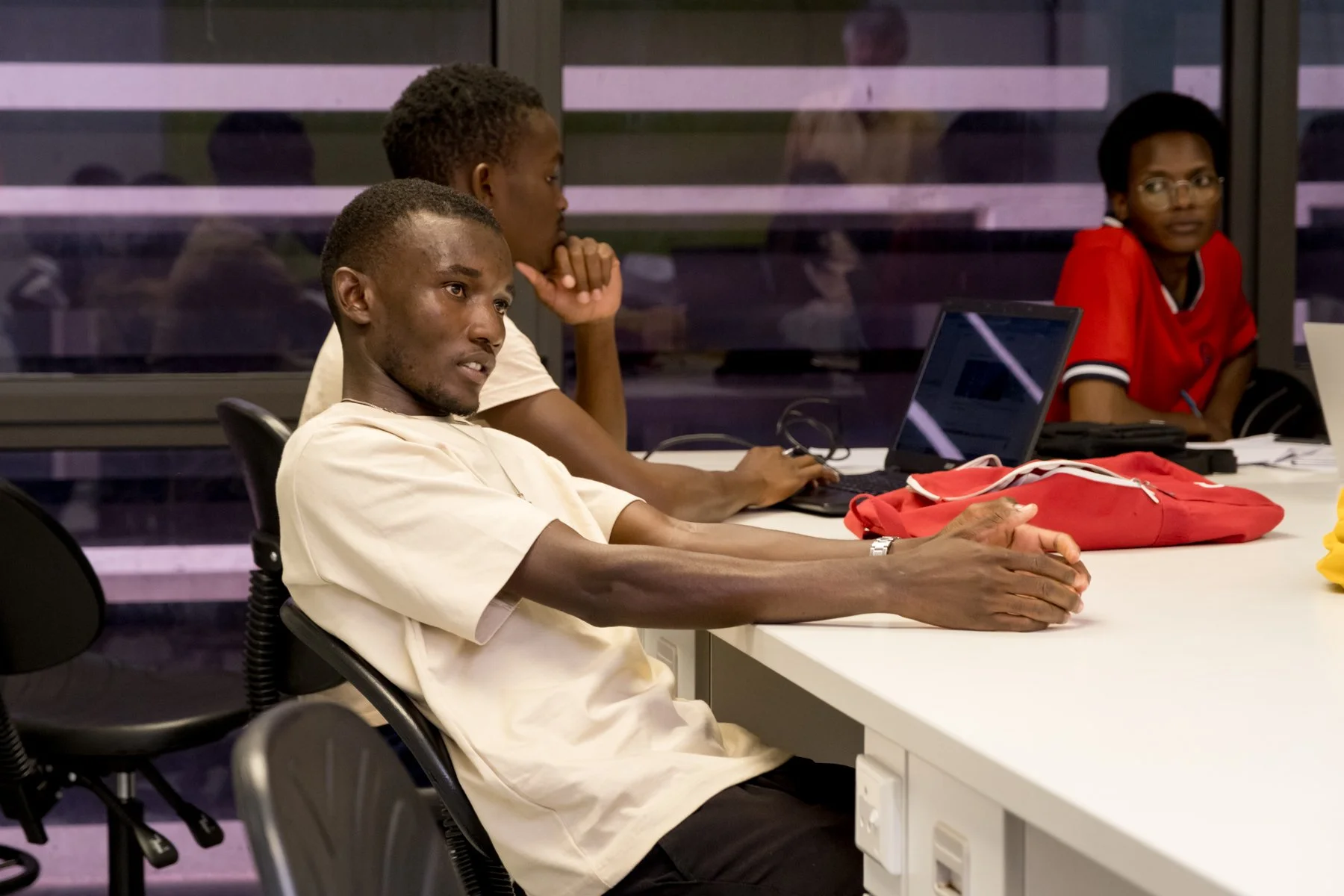
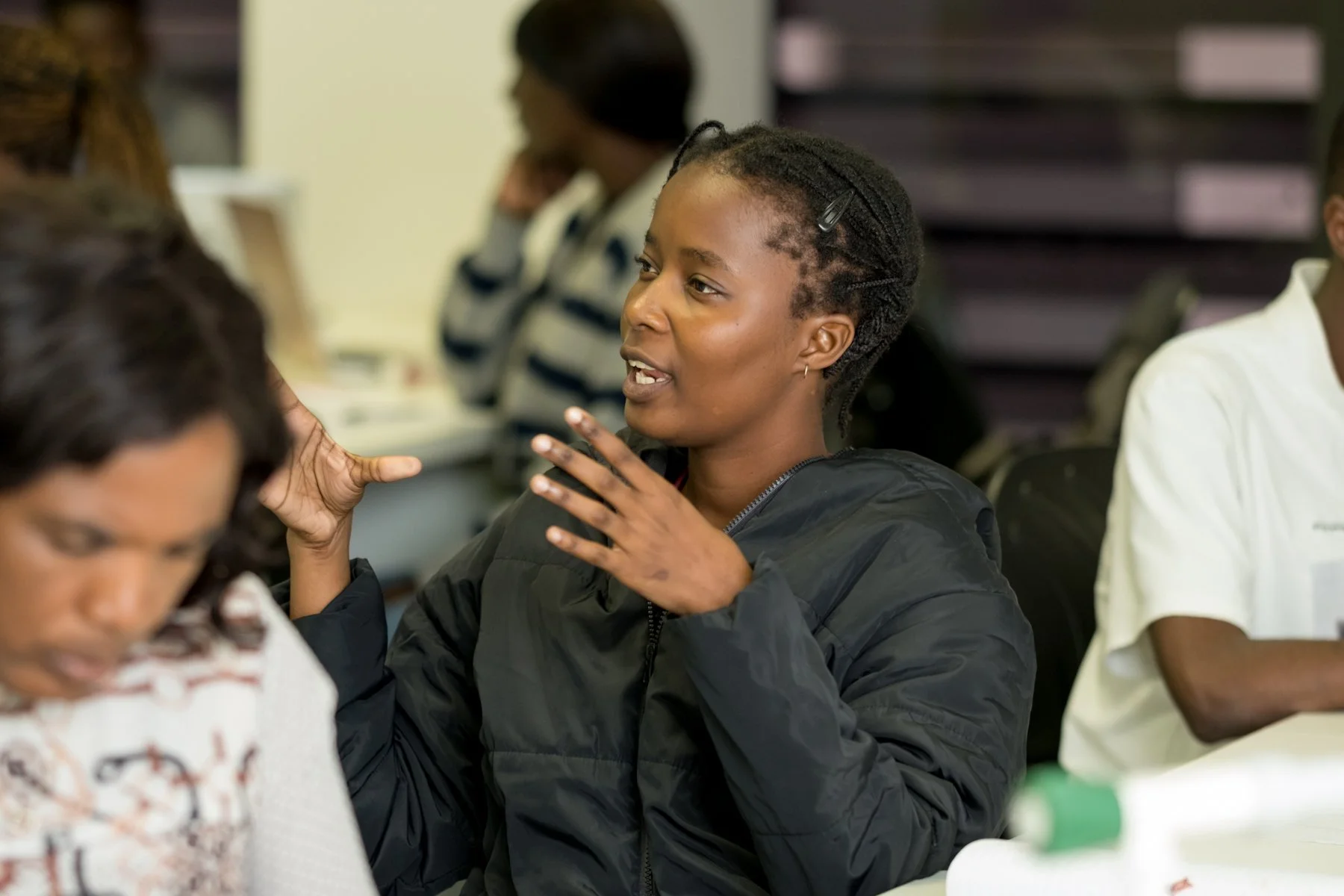
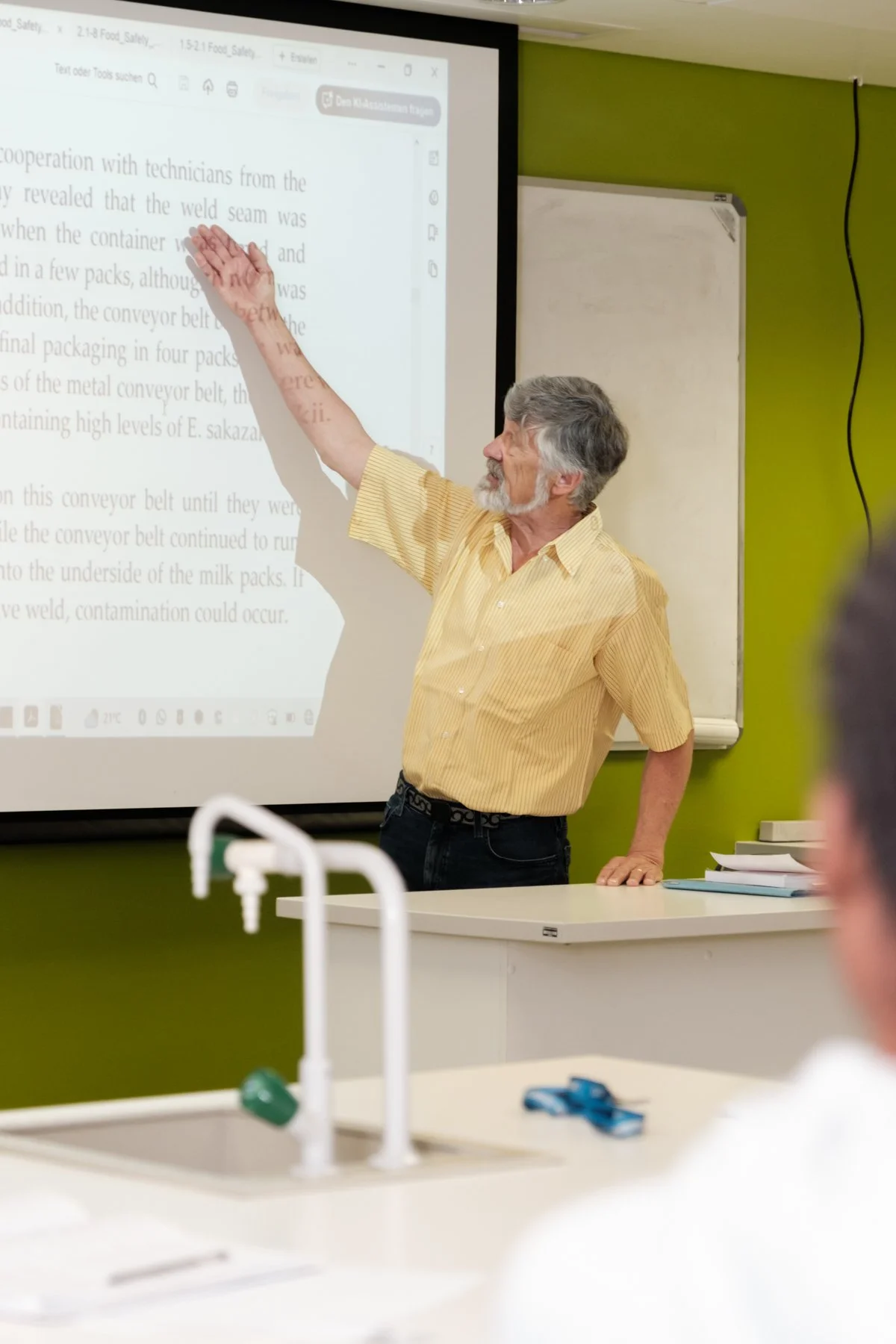
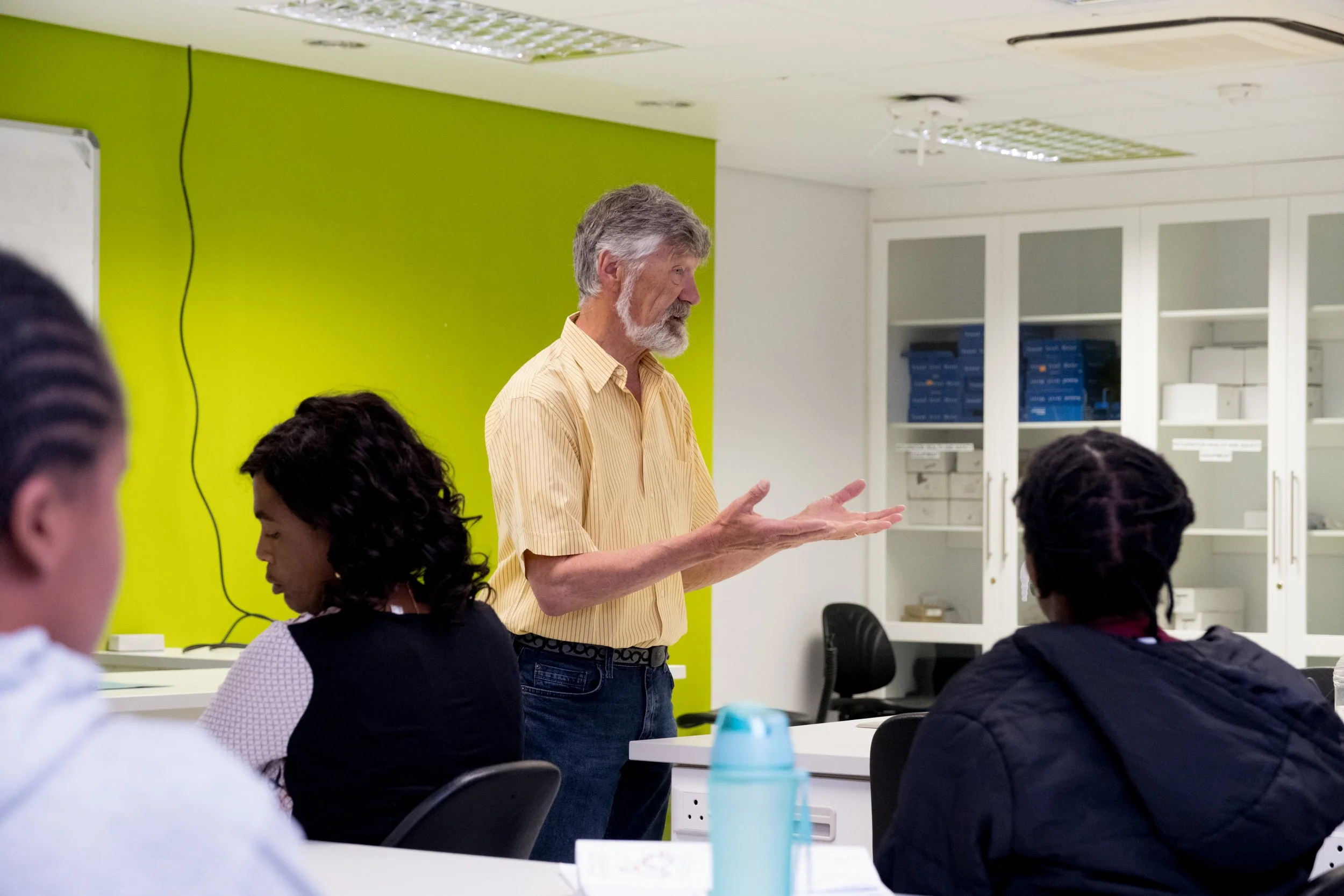
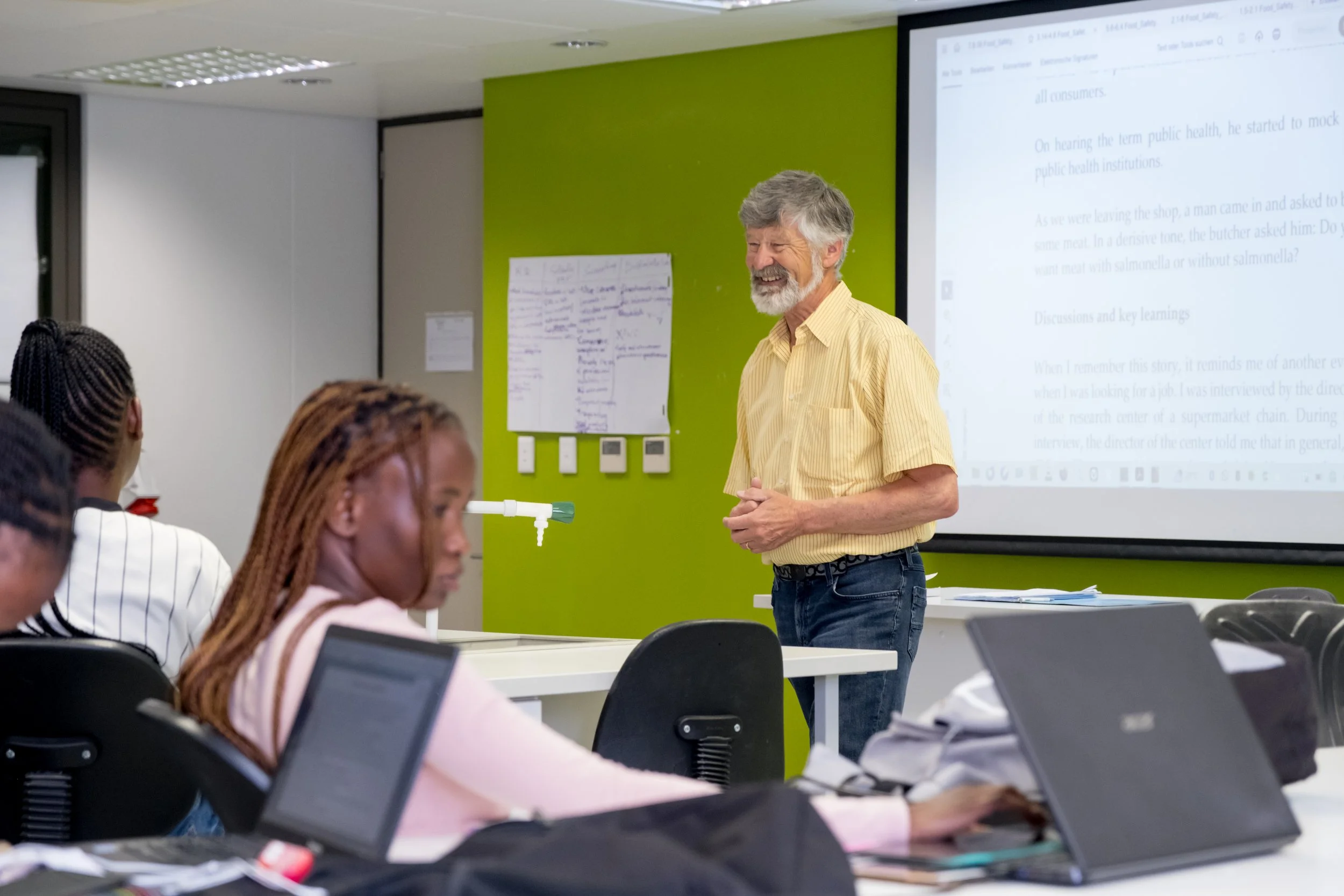
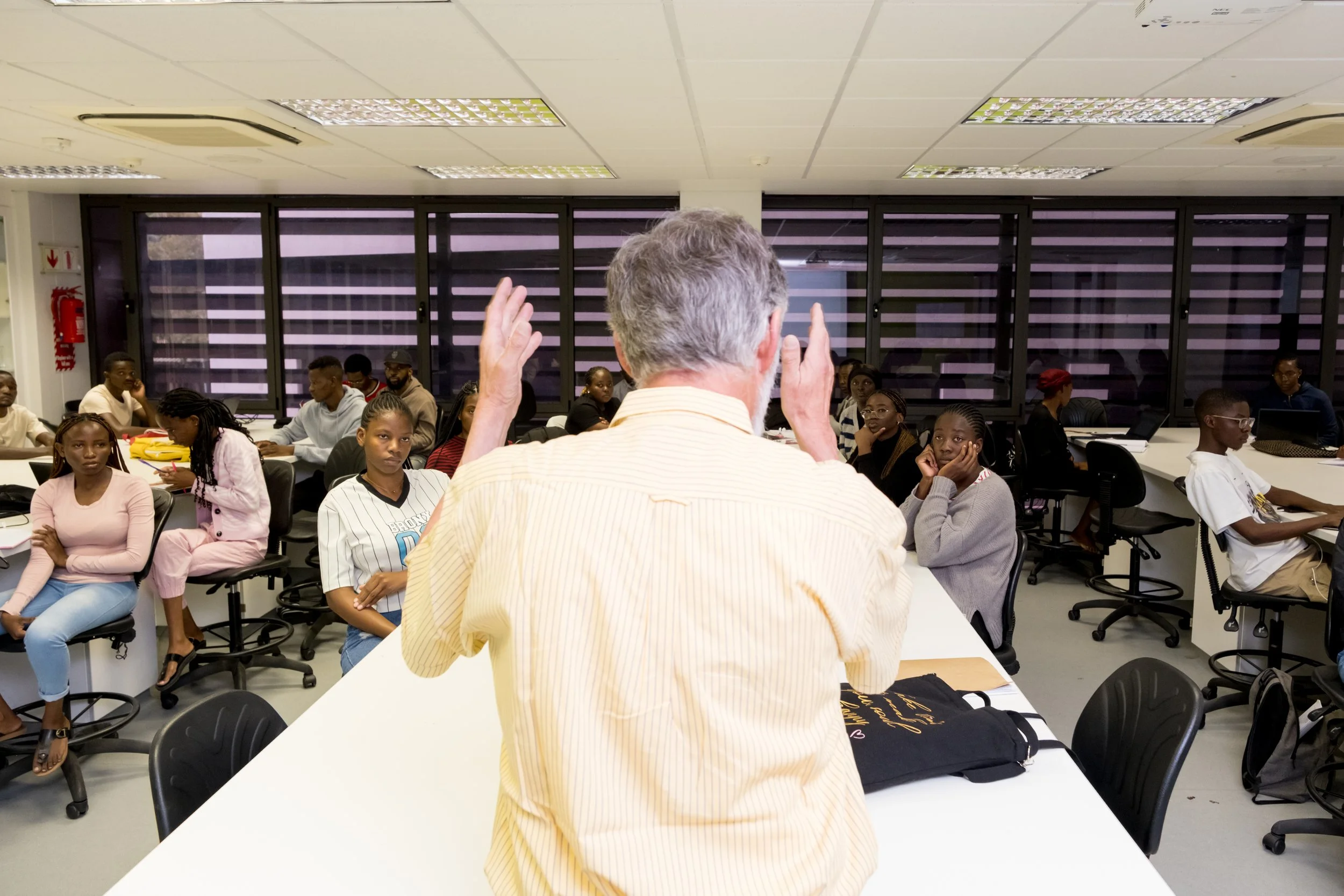
Despite my concerns about the size of the group, the students created an excellent working atmosphere right from the start thanks to their discipline and eagerness to learn – perhaps made easier by the fact that they had had the opportunity to get to know me during the previous week-long field trip. It is my privilege to consistently find a group of students who are in the final four weeks of their studies, allowing me to draw on everything they have learned and practice its application through case studies.
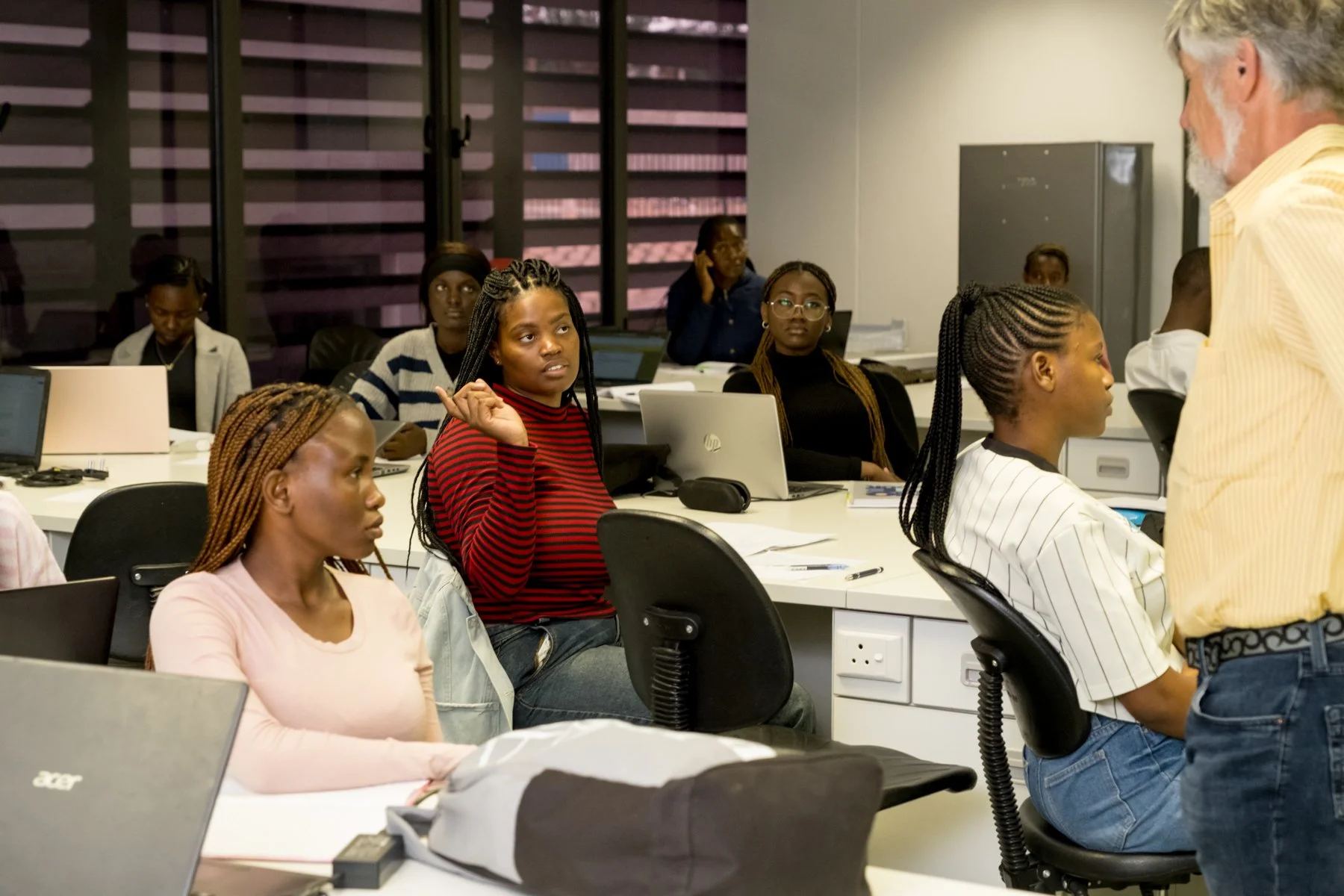
Once again, it became clear that they had heard and crammed a lot of theory in previous semesters but had been unable to connect it to practice and had likely never been shown how to apply it alongside the theory. As a result, the exercises were highly appreciated and led to increasingly intense discussions day by day. This is another observation I make every year: the students have learned to follow the lectures and absorb information, but not to contextualize the material, understand it in depth, or relate it to real-world situations. That was my main task, and so it took two days until we were all “in the same boat” and could then have wonderful discussions. Unfortunately, really unfortunately, this time was too short, but it remains memorable for everyone.
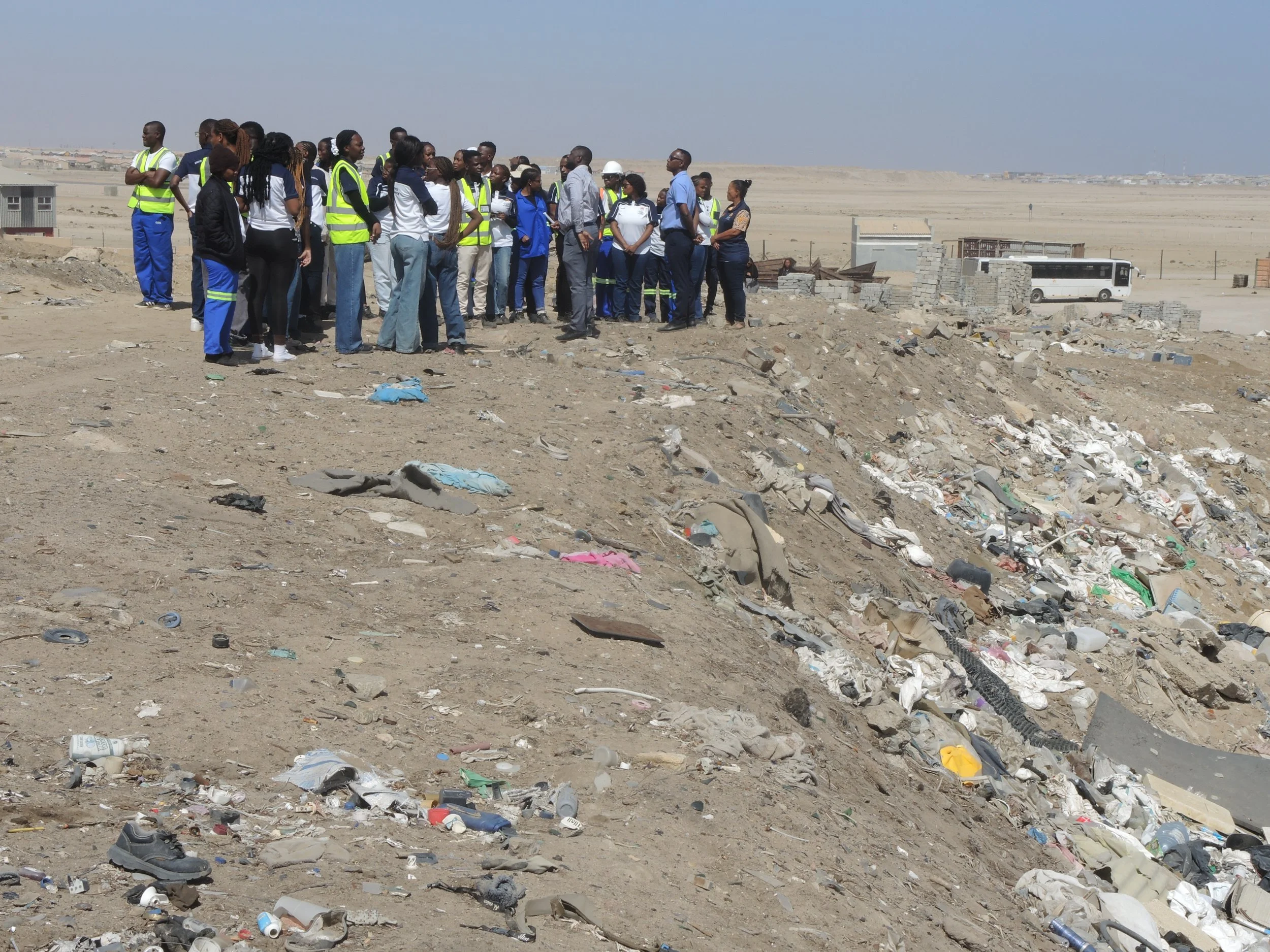
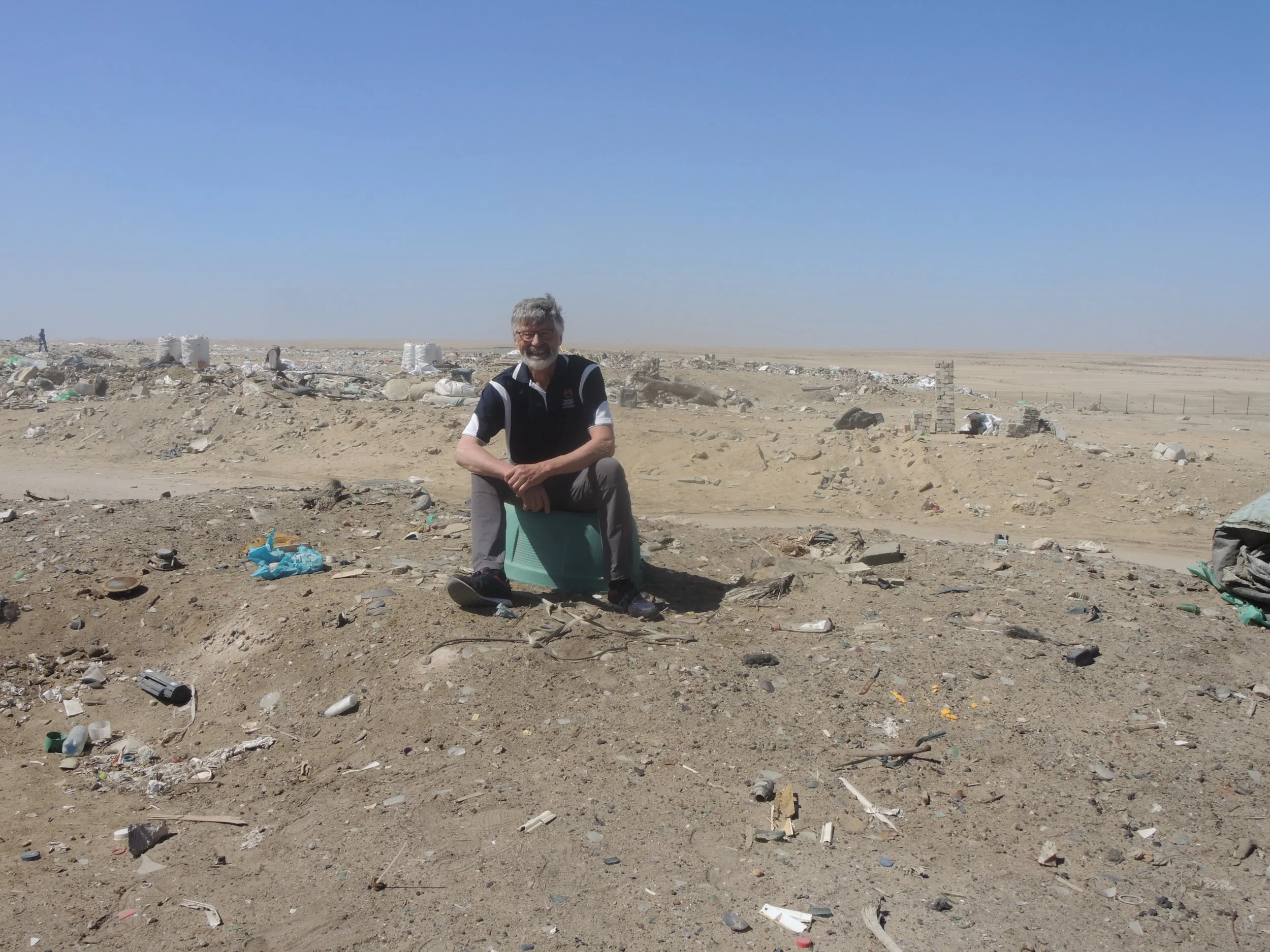
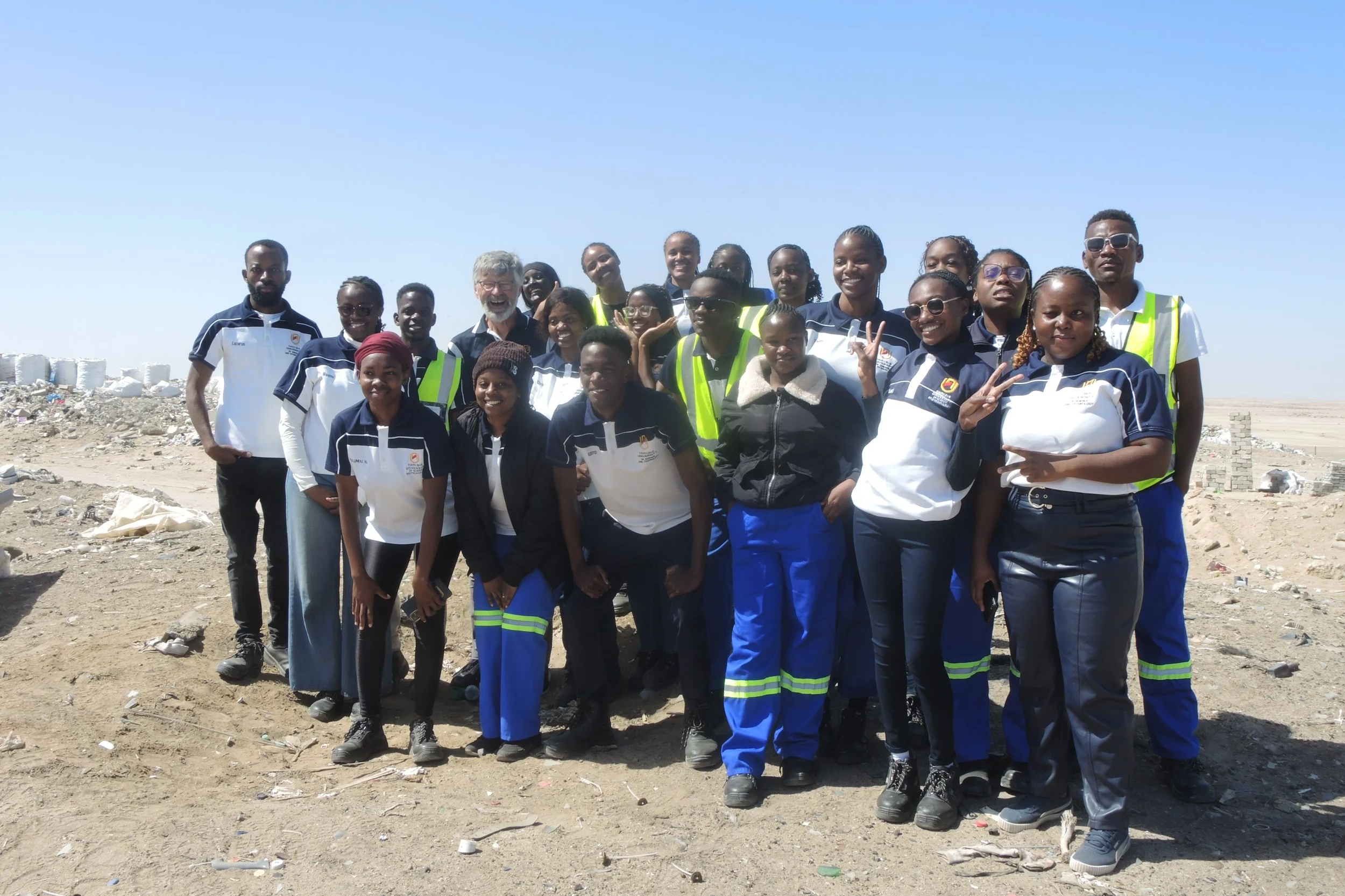
During the debriefing of the field trip, it became clear that we could interpret the same situation – which we had been shown together – in very different ways. This was most striking in our assessment of solid waste disposal in Swakopmund. While the students, based on their own observations of what they likely considered even worse waste management practices, viewed the situation as positive and exemplary, I compared it to European standards and assessed the landfill as catastrophic – a place that leaves a heavy legacy of pollution for future generations, particularly of the soil and drinking water. Using images and facts, I showed them possible solutions, which they received with great gratitude, as some of them want to work in waste management and are eager for input. This example highlights the importance of us experts in bringing a crucial element to the education of EHS students: linking their knowledge to practical issues.
Memorable events
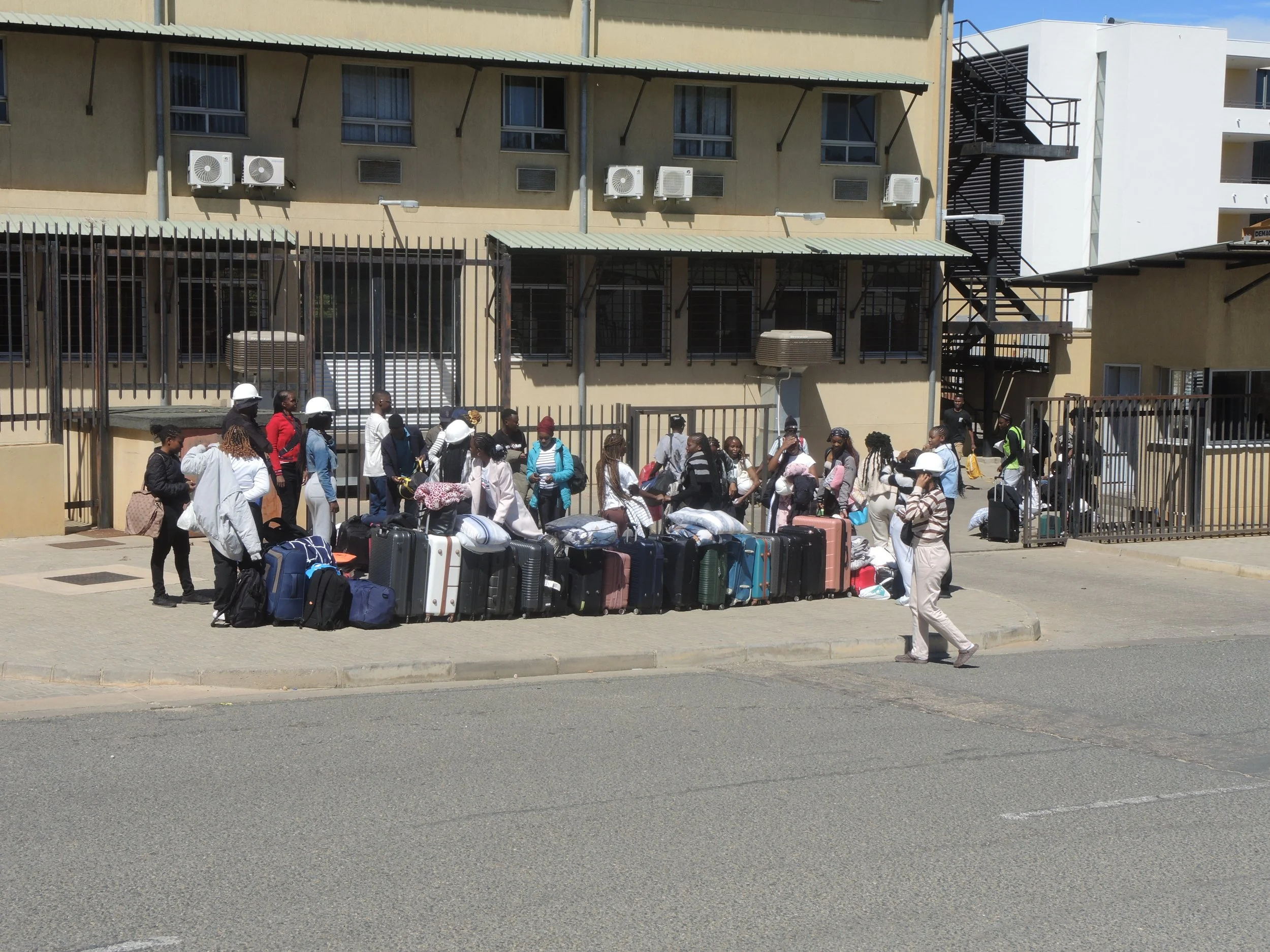
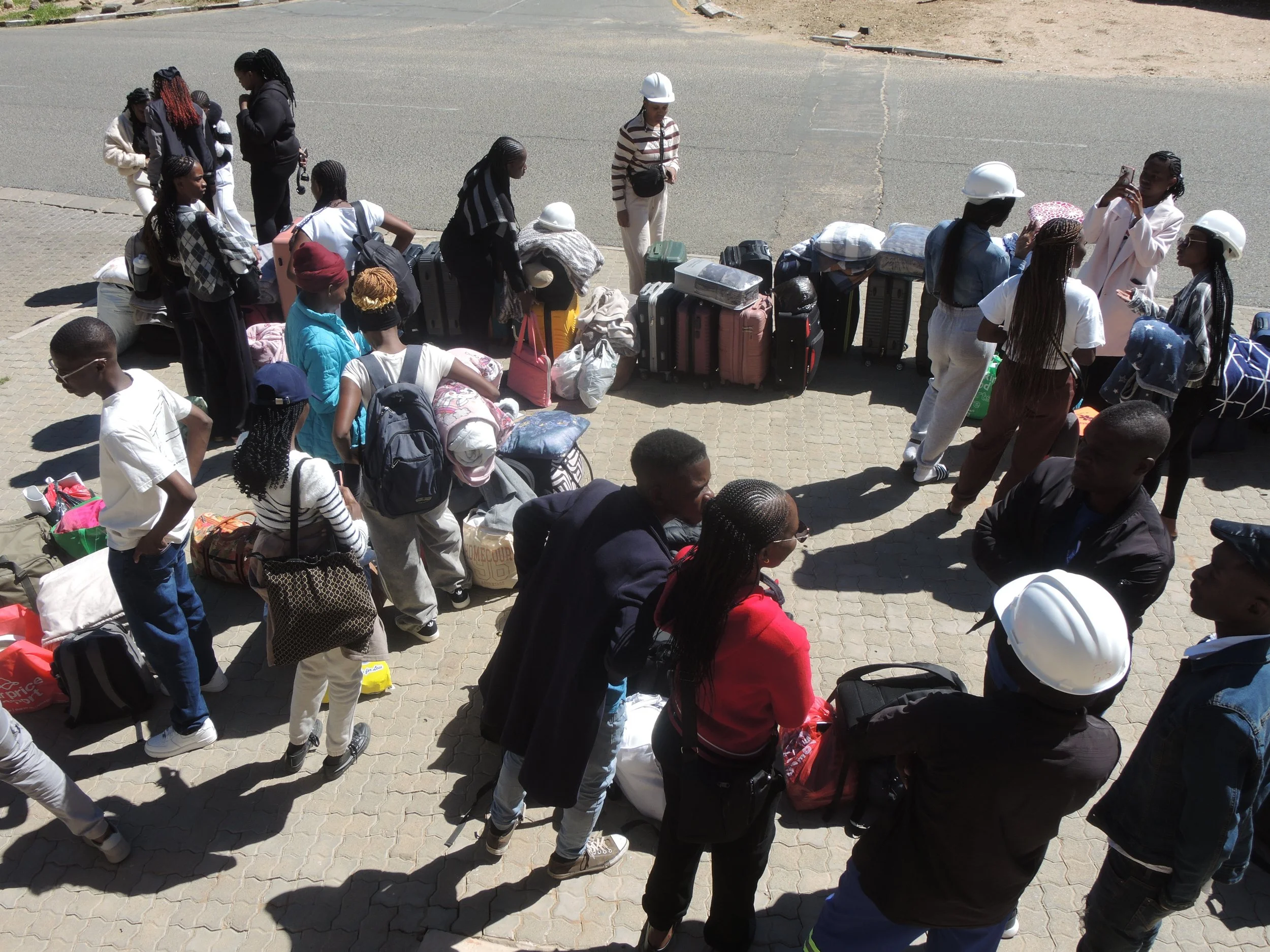
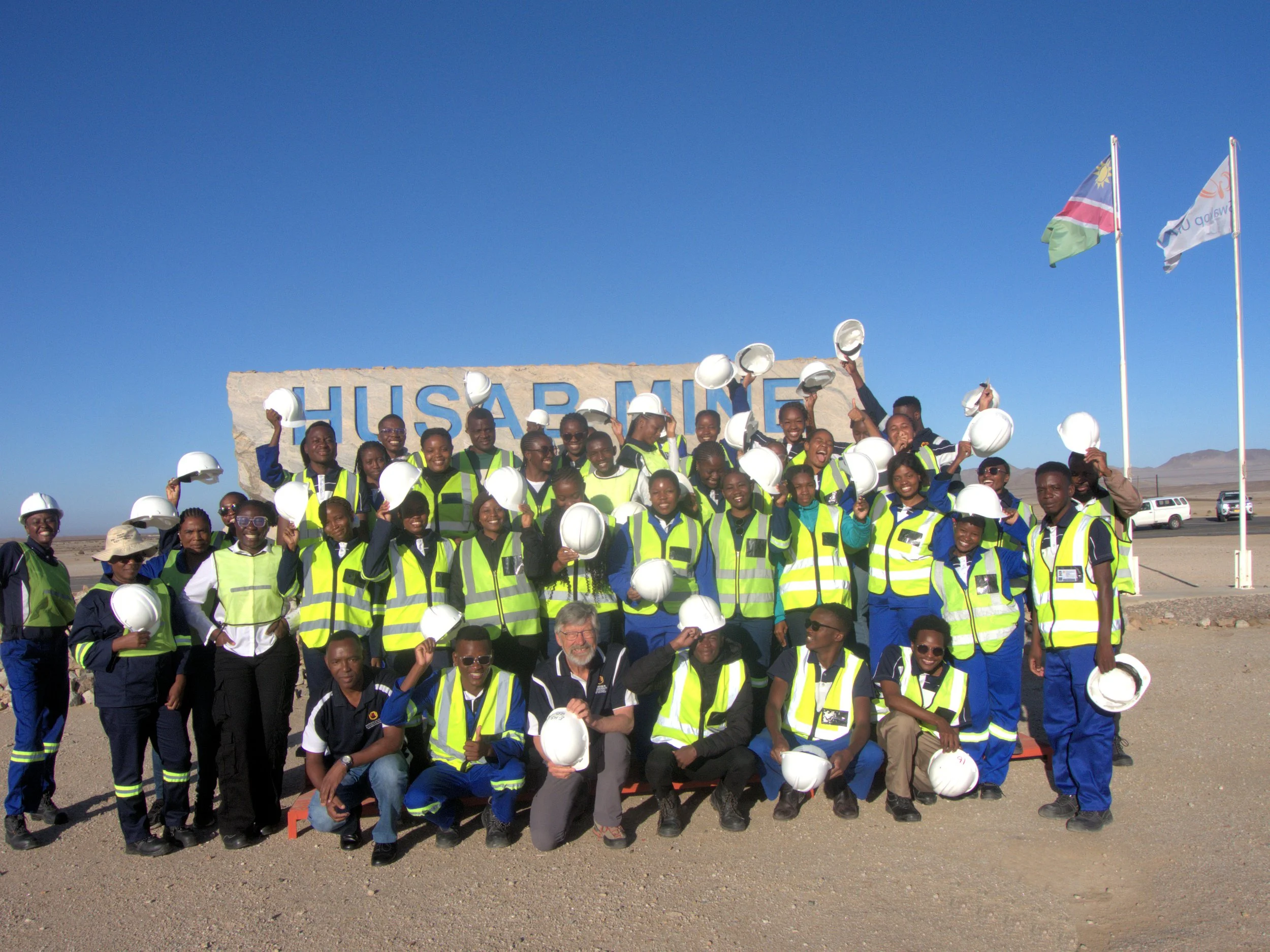
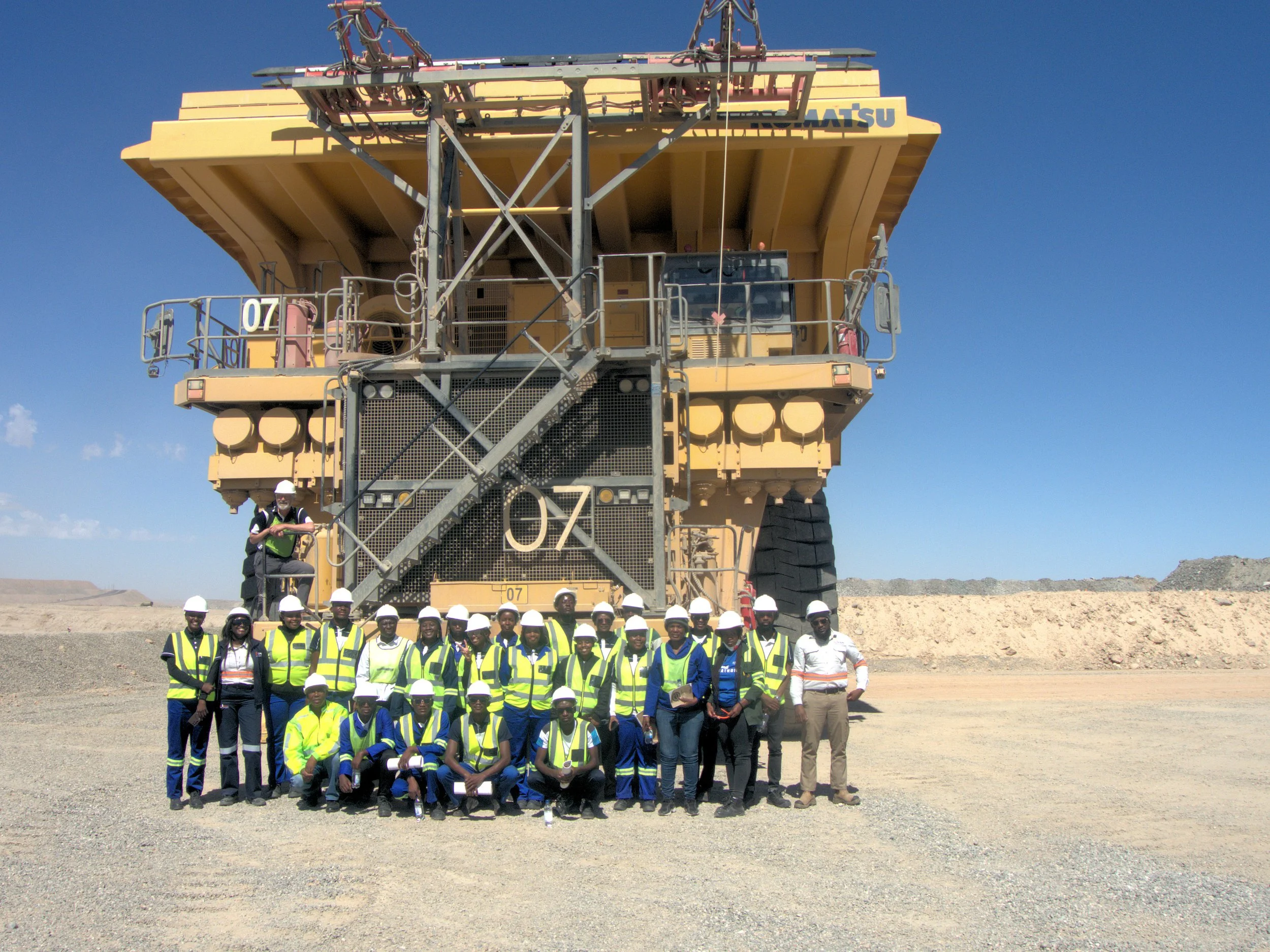
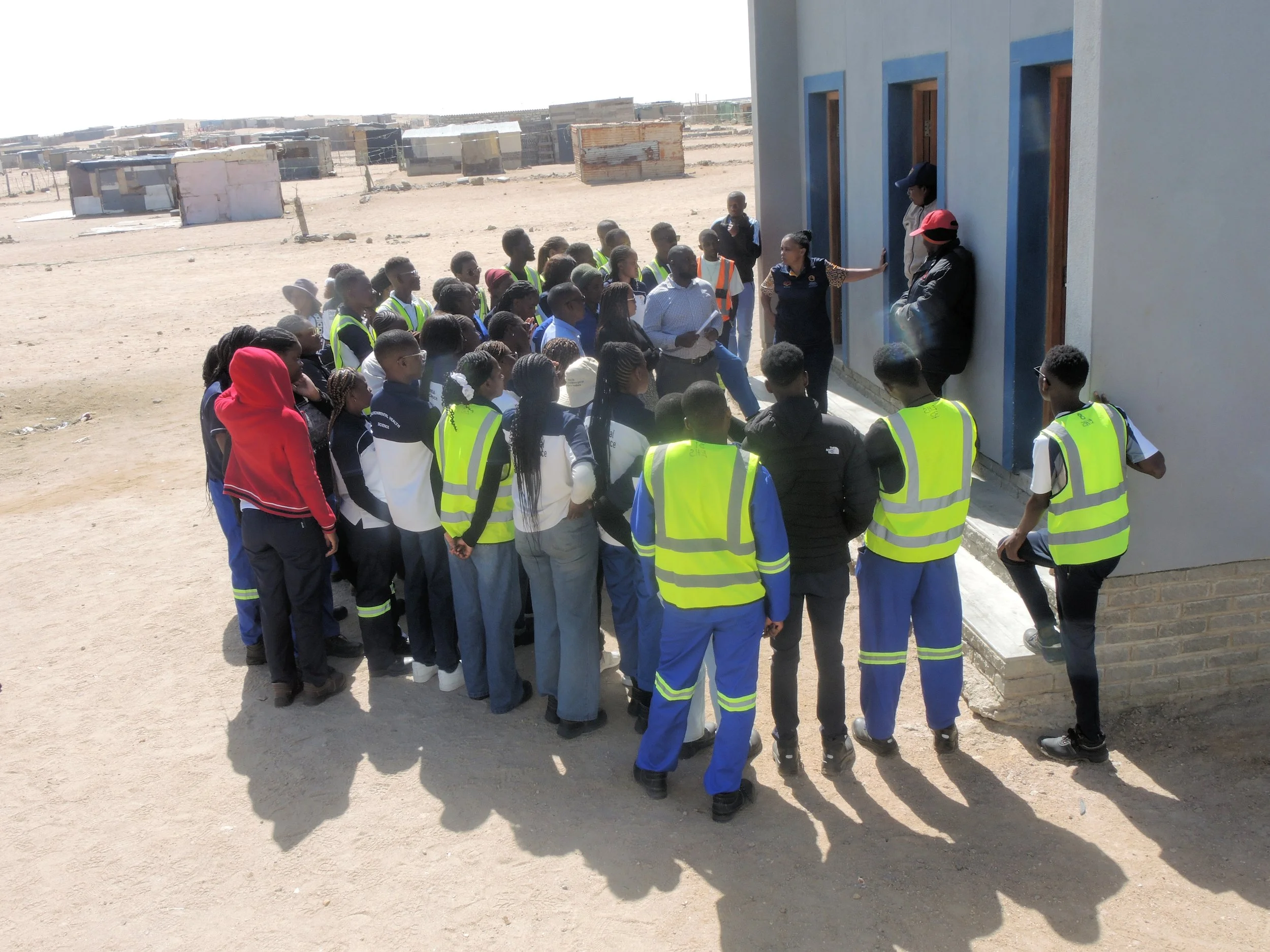
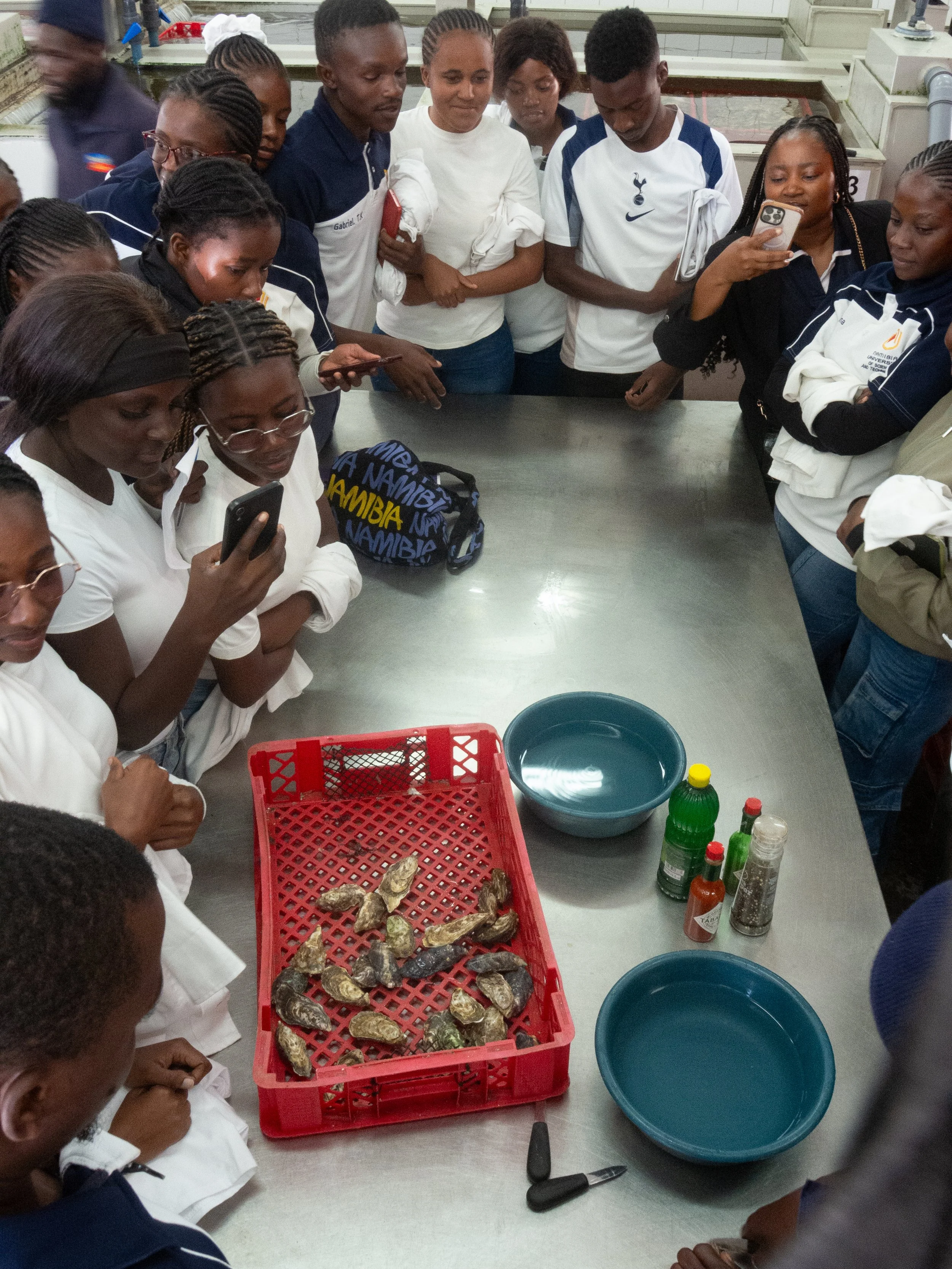
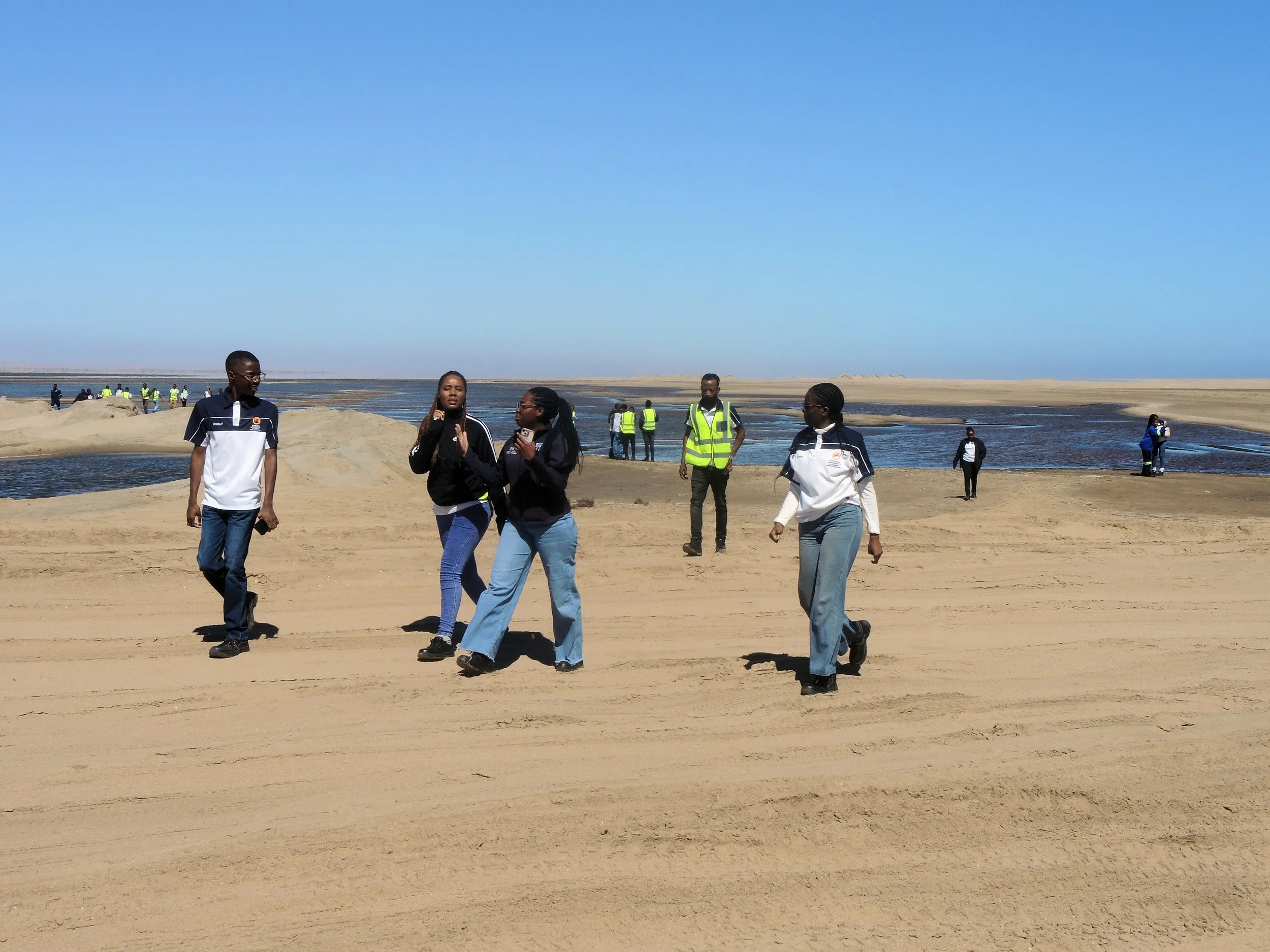
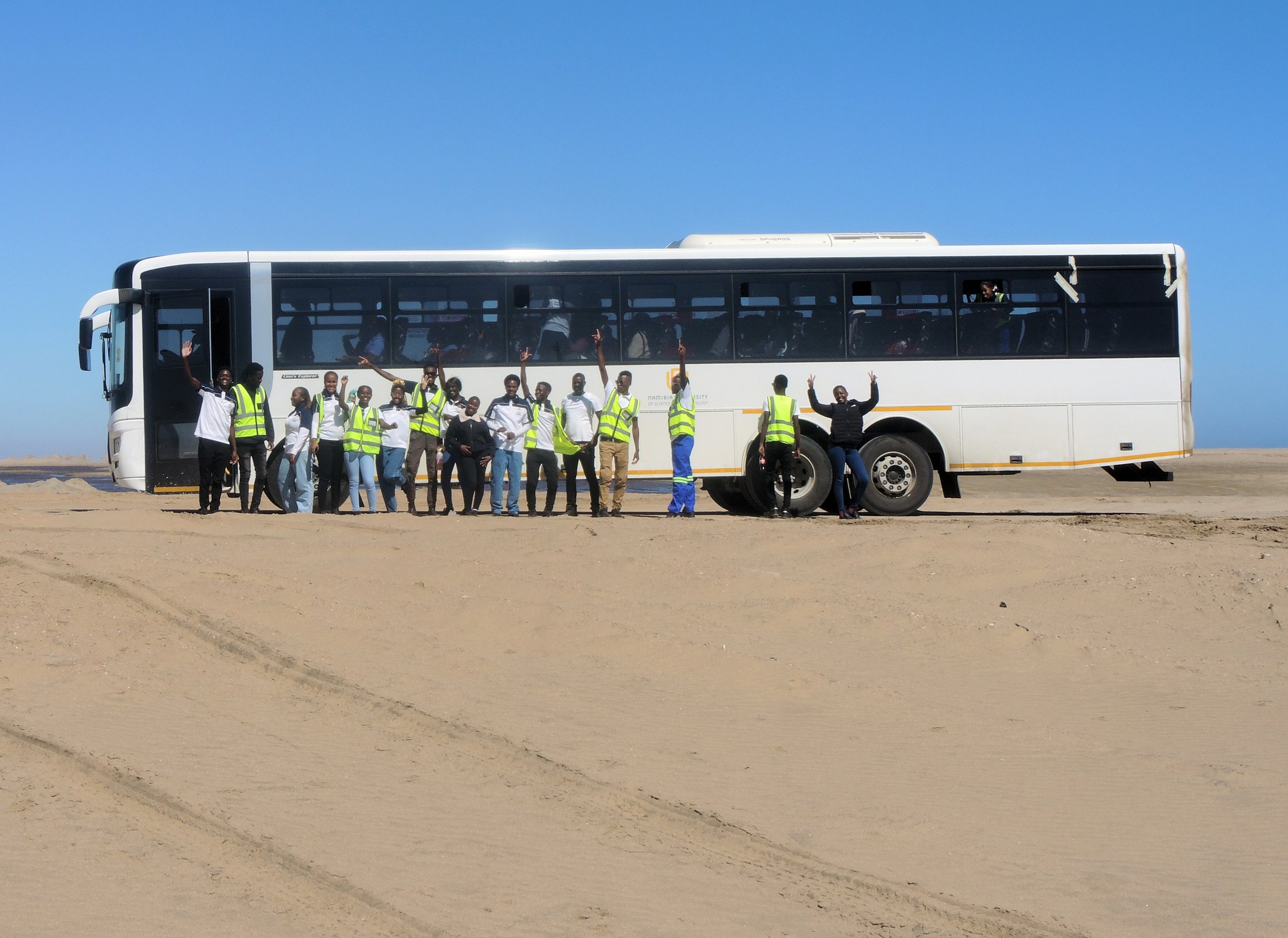
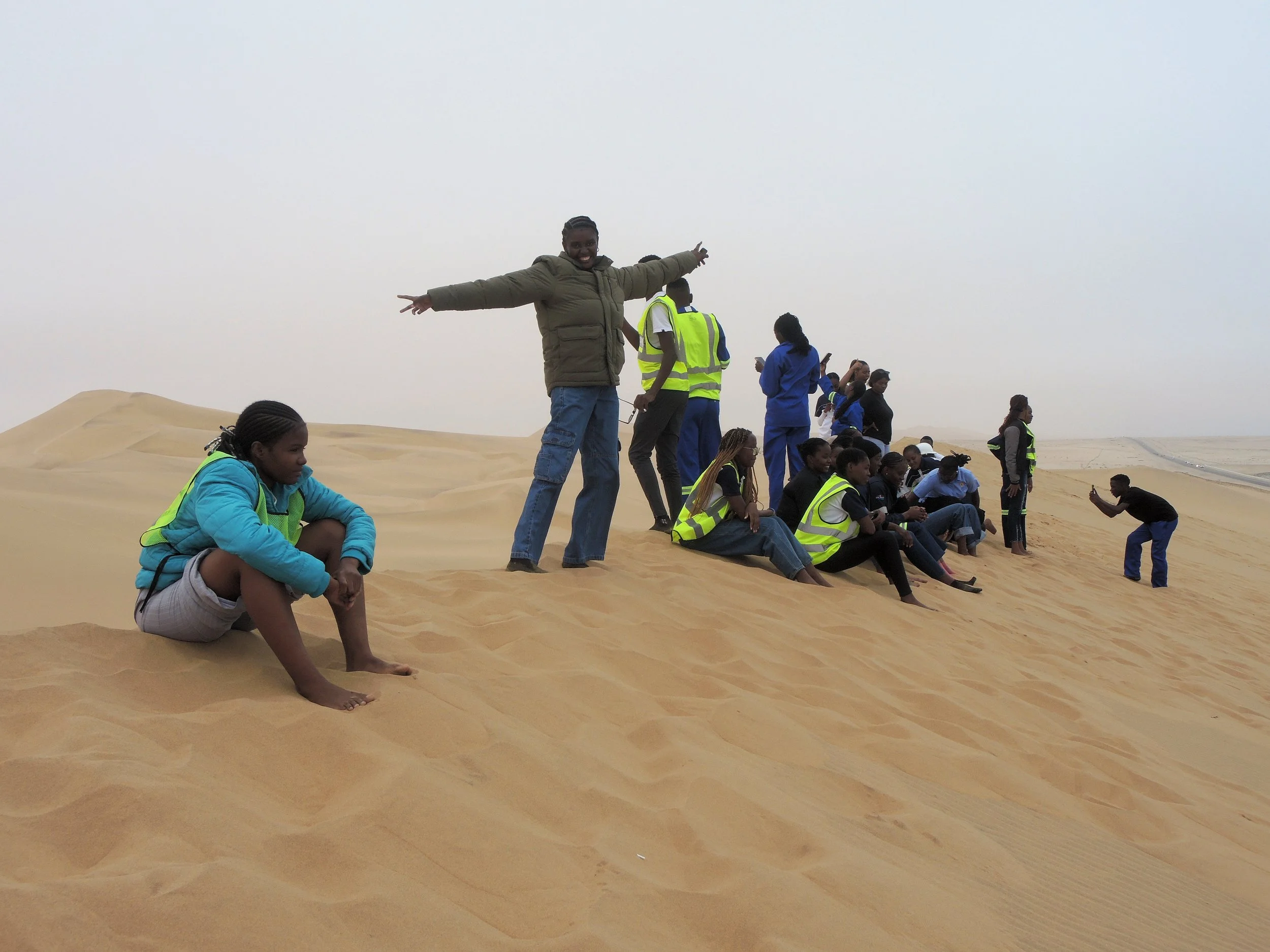
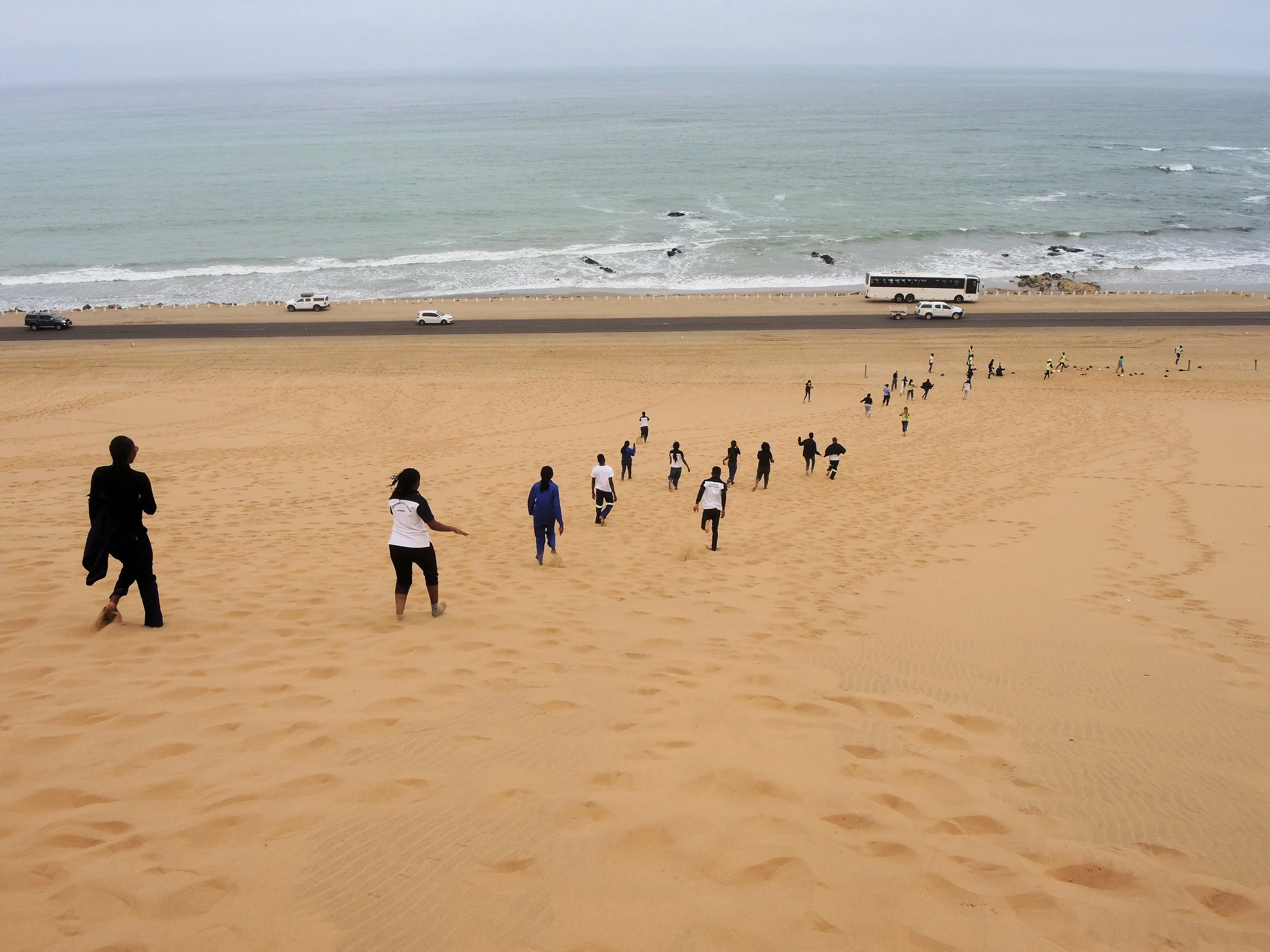
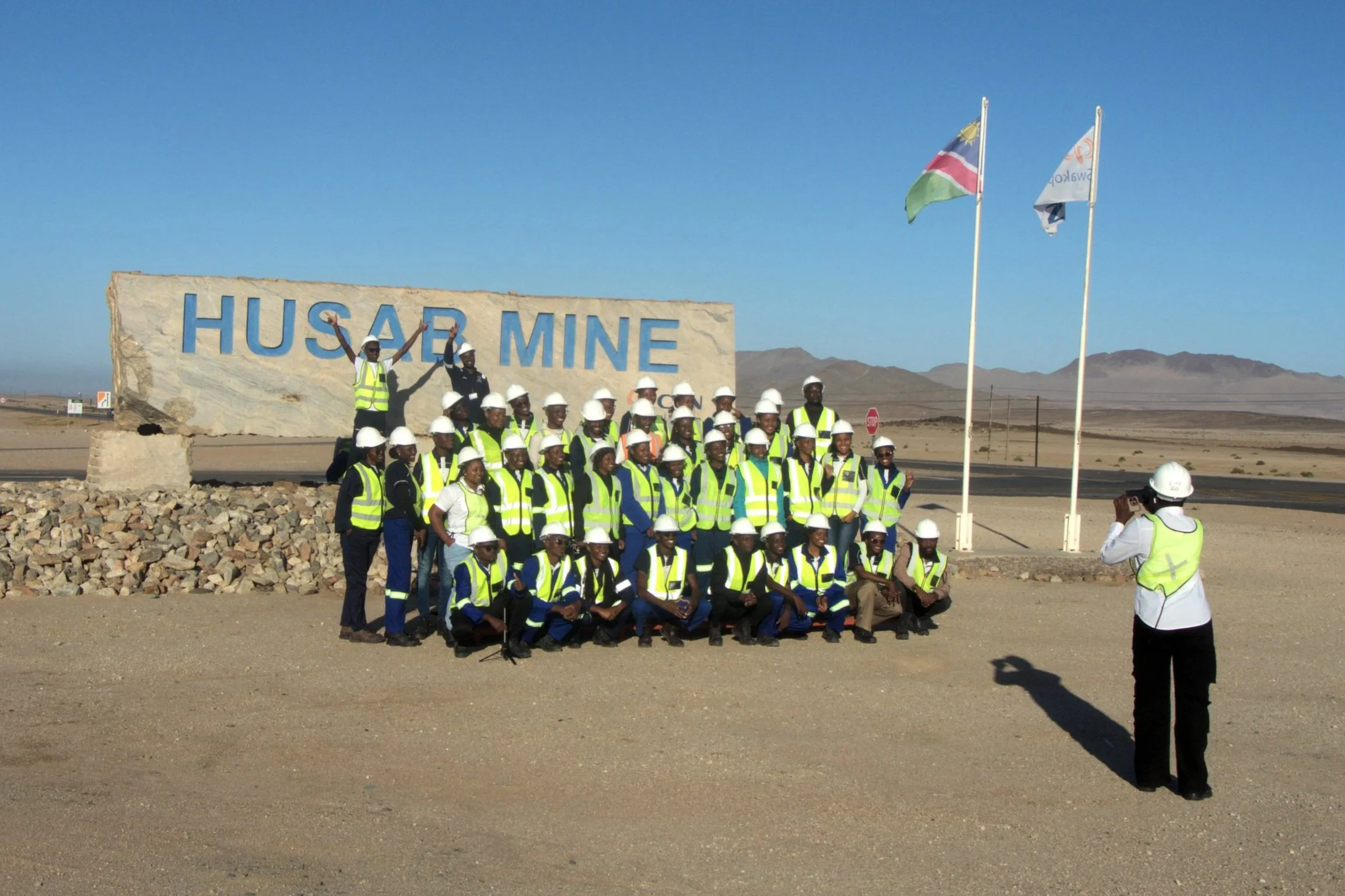
First and foremost is the field trip to which I was invited by NUST. I was very fortunate to be able to visit such a diverse range of companies and organisations alongside the accompanying staff and students, including NAM-Port, the National Standards Institute, two fish processing plants and an oyster farm, Walvis Bay Airport and the Swakop Uranium Mine. In Swakopmund, we also visited an urban agriculture project, hygiene and health projects in informal settlements, and the city’s solid waste disposal facilities. The guided tours were very professional and tailored to our group, leaving plenty of room for discussion and questions. It was undoubtedly the highlight of my assignment, and I would like to thank NUST once again for inviting me.
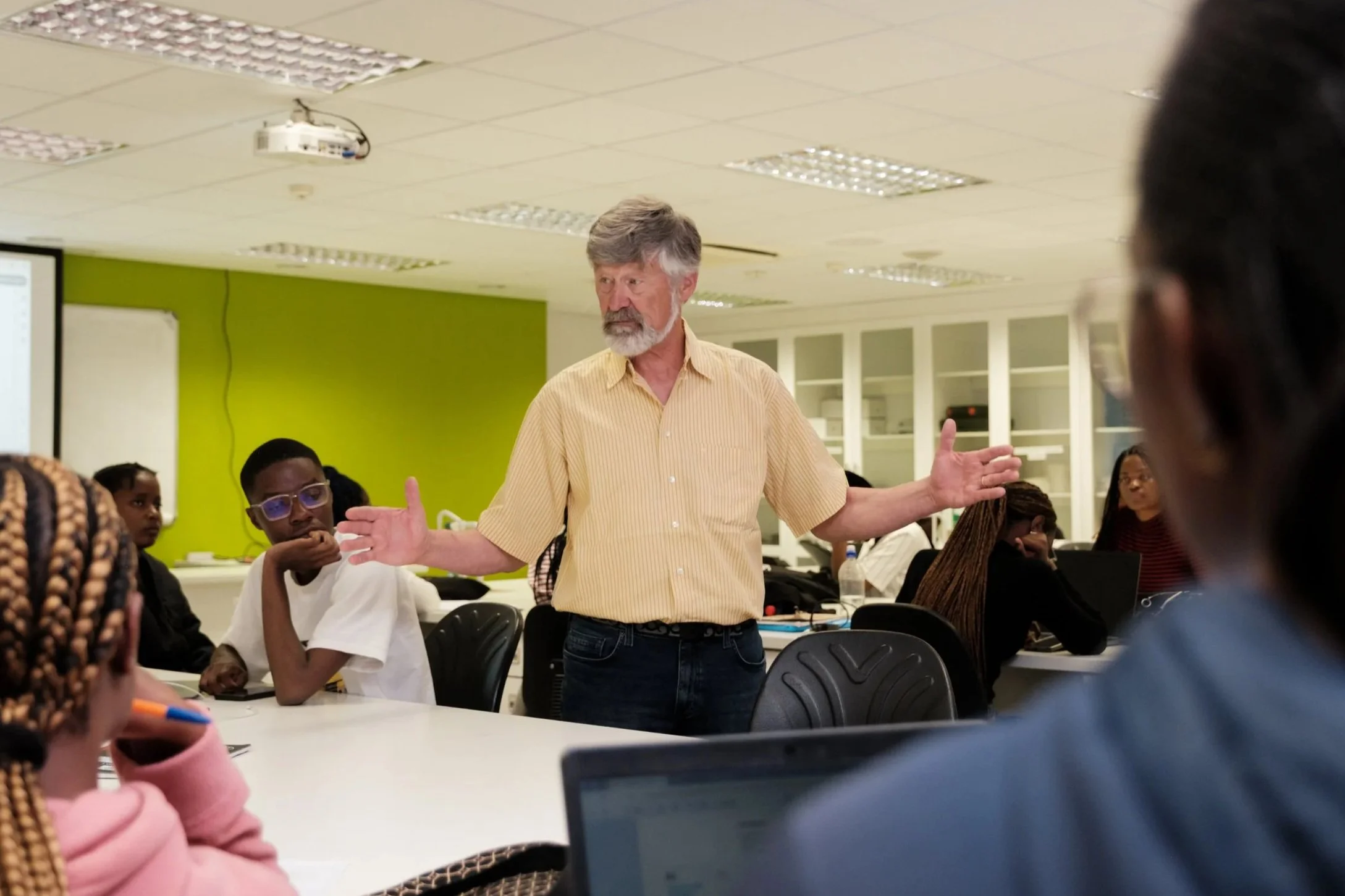
I also fondly remember the students with whom, despite the age difference (we realised I was three times their age), we were able to discuss a wide range of topics in a very open-minded and relaxed atmosphere. There are plenty of food safety stories that take the discussion beyond purely technical matters and extend it to areas such as personal hygiene or gender issues. That’s when things always got interesting, particularly because of our different cultural backgrounds. At the end of the last lesson, I played them John Lennon’s song “Imagine” and projected the lyrics on the screen. It was meant to be the conclusion (and also my very personal message), but it turned out to be the start of a new, seemingly endless discussion about our world, society, the climate, and so on, lasting well into the lunch break. They didn’t want to stop and asked me many personal questions. This filled me with a sense of melancholy, knowing full well that this was my final assignment.
Expectancies and Personal message
Since 2010, I have undertaken a dozen voluntary assignments, always motivated by my love for the wonderful Namibian students. I deliberately chose to take breaks from time to time with the aim of encouraging local lecturers to take charge of my material themselves, so that I would no longer be needed. I also suggested co-teaching, but it never worked out. It is a bit of a shame that I was unable to make a lasting impact in this area.
Over the past 17 years, teaching methods have evolved, and the COVID-19 pandemic has accelerated the shift towards e-learning even further. This naturally gives rise to the notion that we, as technically oriented experts, are no longer needed. Leaving aside the question of whether, in a country with limited access to electronic databases, it is reasonable to expect that all students across the country can achieve the same level of knowledge through self-study with their limited resources, the personality of a committed and pedagogically trained lecturer is irreplaceable.
Added to this, is the fact that students are taught merely a mass of theory, and in some cases only superficially. The ‘why’ and ‘how’ are missing. The students have learnt a great deal of material, but fail to see the connections and practical relevance. This is why, in future too, we will need external lecturers from B360, who make an important and excellent contribution to ensuring that students are employable after graduation. I hope and wish that this excellent model of B360 education partnerships will continue to bear fruit and develop further.
I would like to thank Sabina and all her many colleagues, whom I have had the good fortune to work with over the years, for their tremendous support and dedication. I wish you continued success and happiness!