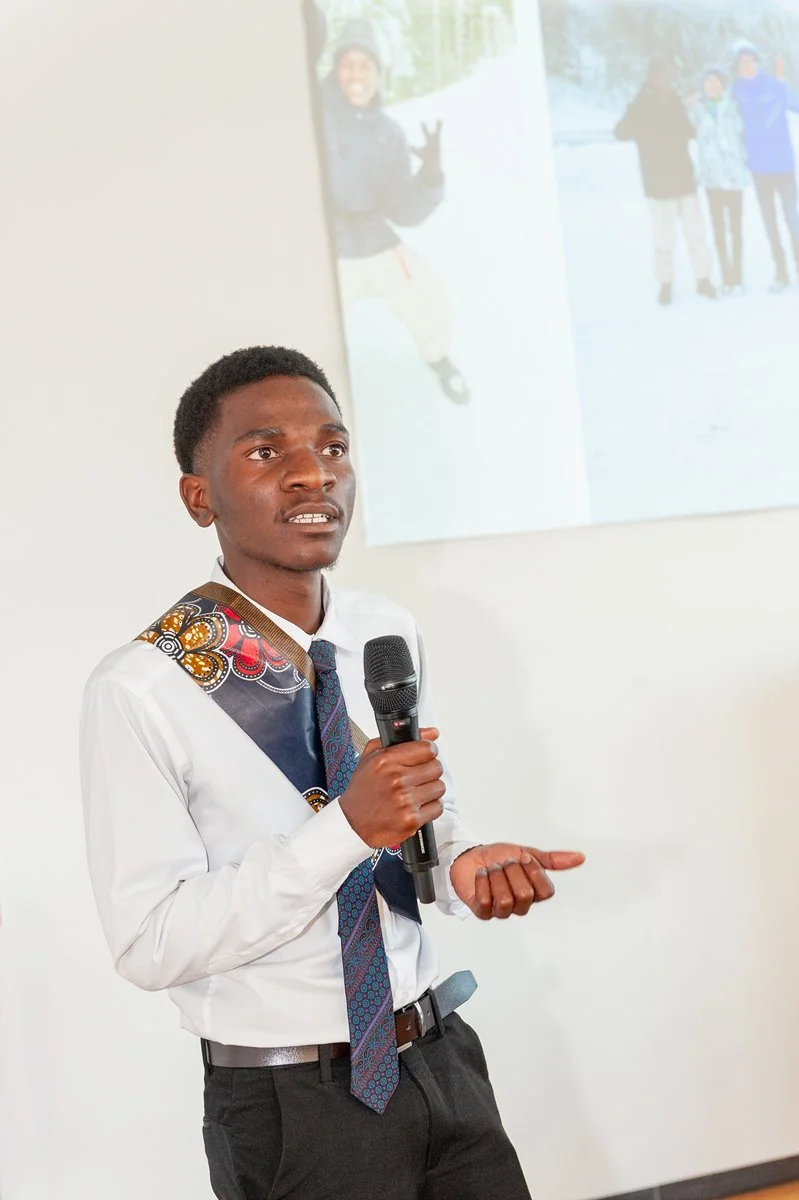
Emmanuel Muwowo
LGT Liechtenstein
Bachelor in Information Systems & Technology
University of Lusaka
February 01 - April 30 2026
AT WORK
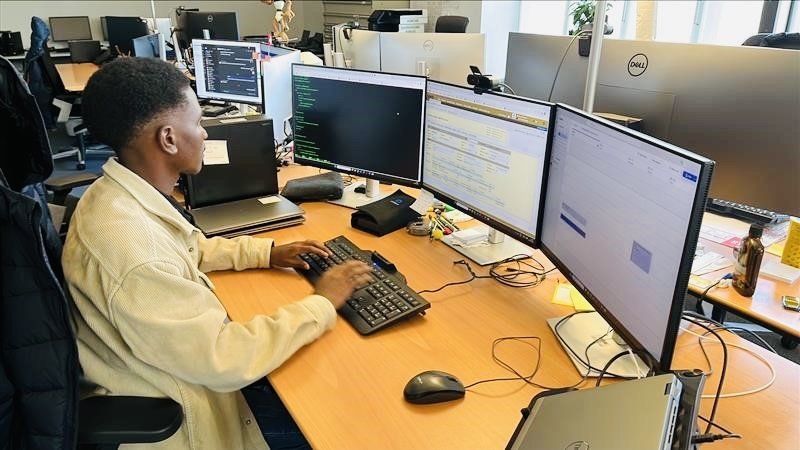
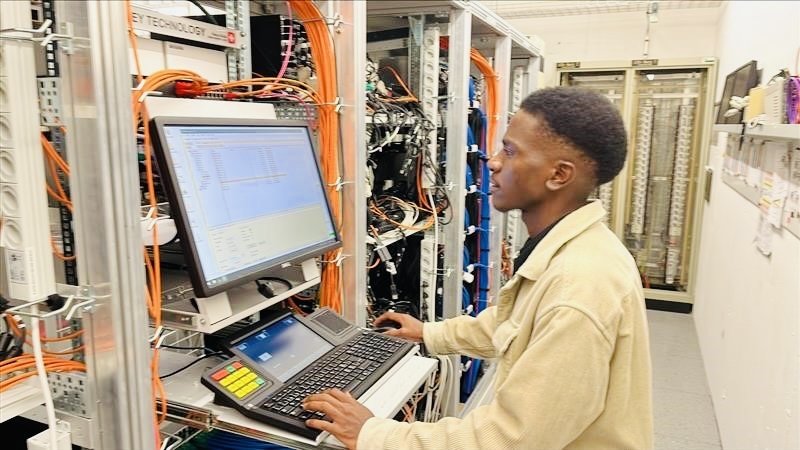
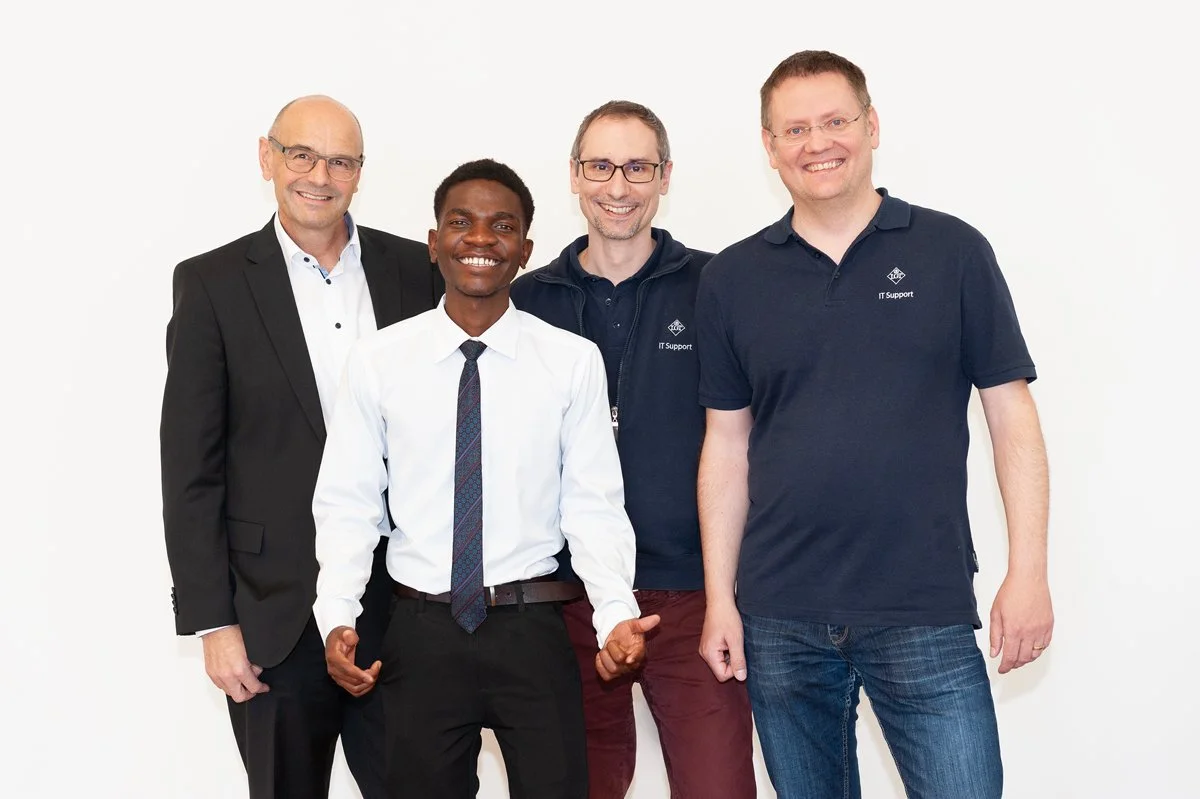
My internship was based in the IT Field Support Centre (FS_IU) at LGT. From the first days, I could see how much planning, coordination, and structure are needed to keep a large organization running smoothly. It was not just about fixing technical issues, but about making sure people could do their jobs without interruptions.
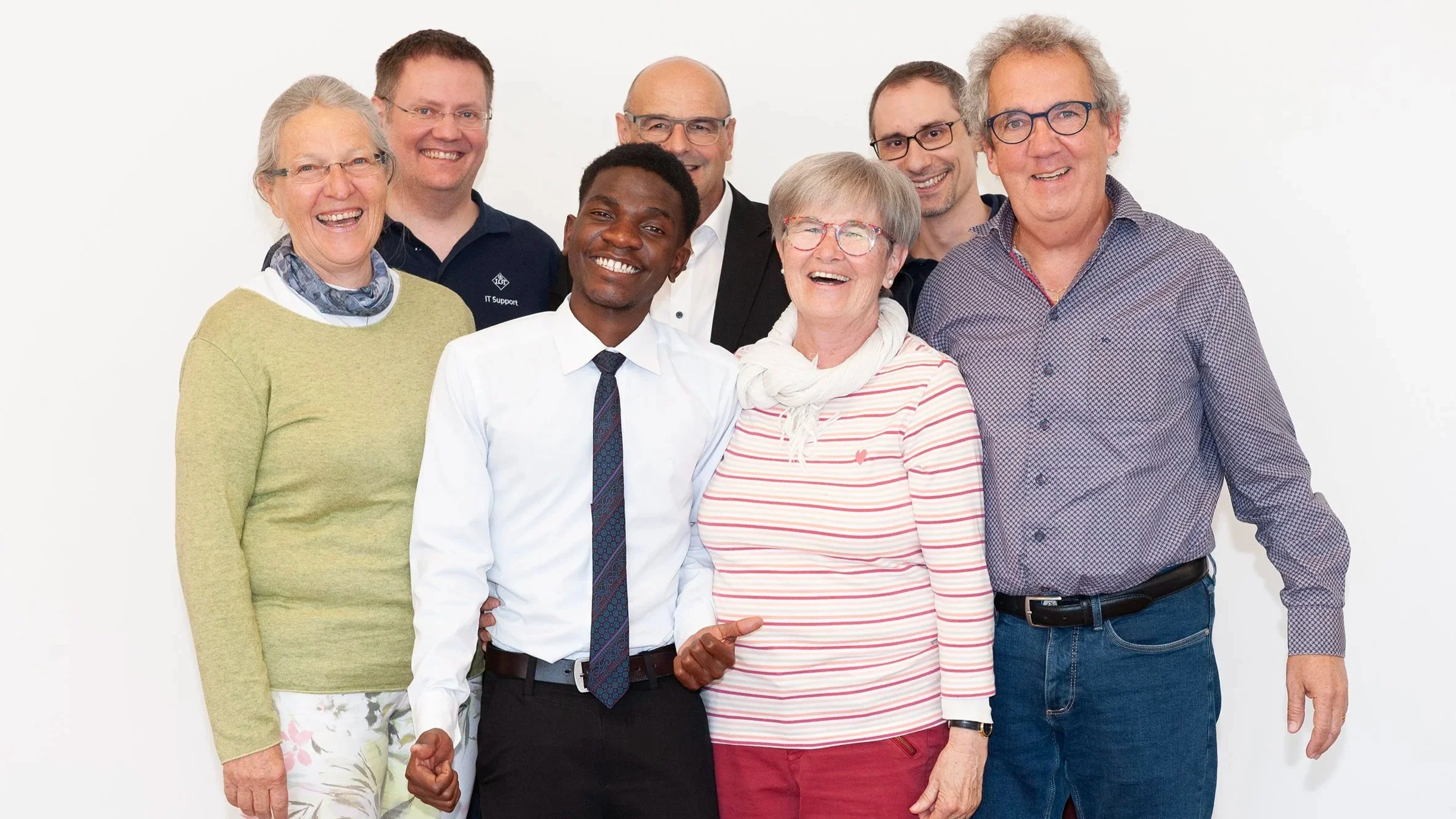
I was gradually introduced to day-to-day support activities by my mentor, Stefan Hobi, and the entire team. These activities included staging notebooks and resolving incidents and troubleshooting issues, just to mention a few. I observed how colleagues approached problems step by step, how they asked the right questions, and how they stayed calm and professional even when something was urgent. Under their guidance, I was able to assist with practical tasks and see how theory from my studies connects to real situations.
One thing that stood out to me was how everyone was willing and open to explain things and answer my questions, even when I held back from asking. I was especially impressed by the way the team organized their work. That level of discipline made me reflect on my own habits and pushed me to become more intentional with how I manage my time and tasks. As Will Durant wrote: “We are what we repeatedly do. Excellence, then, is not an act, but a habit.” That is something I began to understand more clearly during this experience.
The biggest benefit for me hasn’t just been technical; it has been a shift in mindset. Working in IT support on-site, in a completely new environment, forced me to observe more and think before acting. This discipline and reliability showed me what professional standards in IT really look like.
INSIGHT ON SWISS HOME AND FAMILY
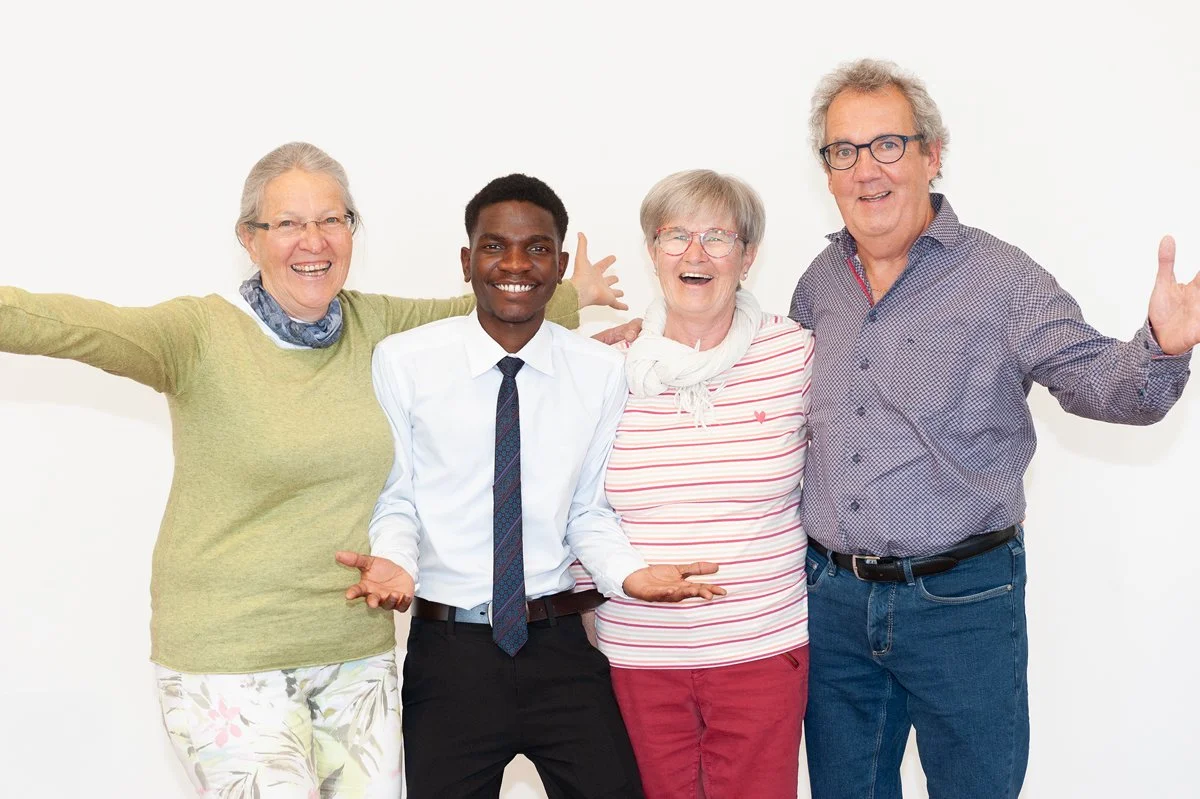
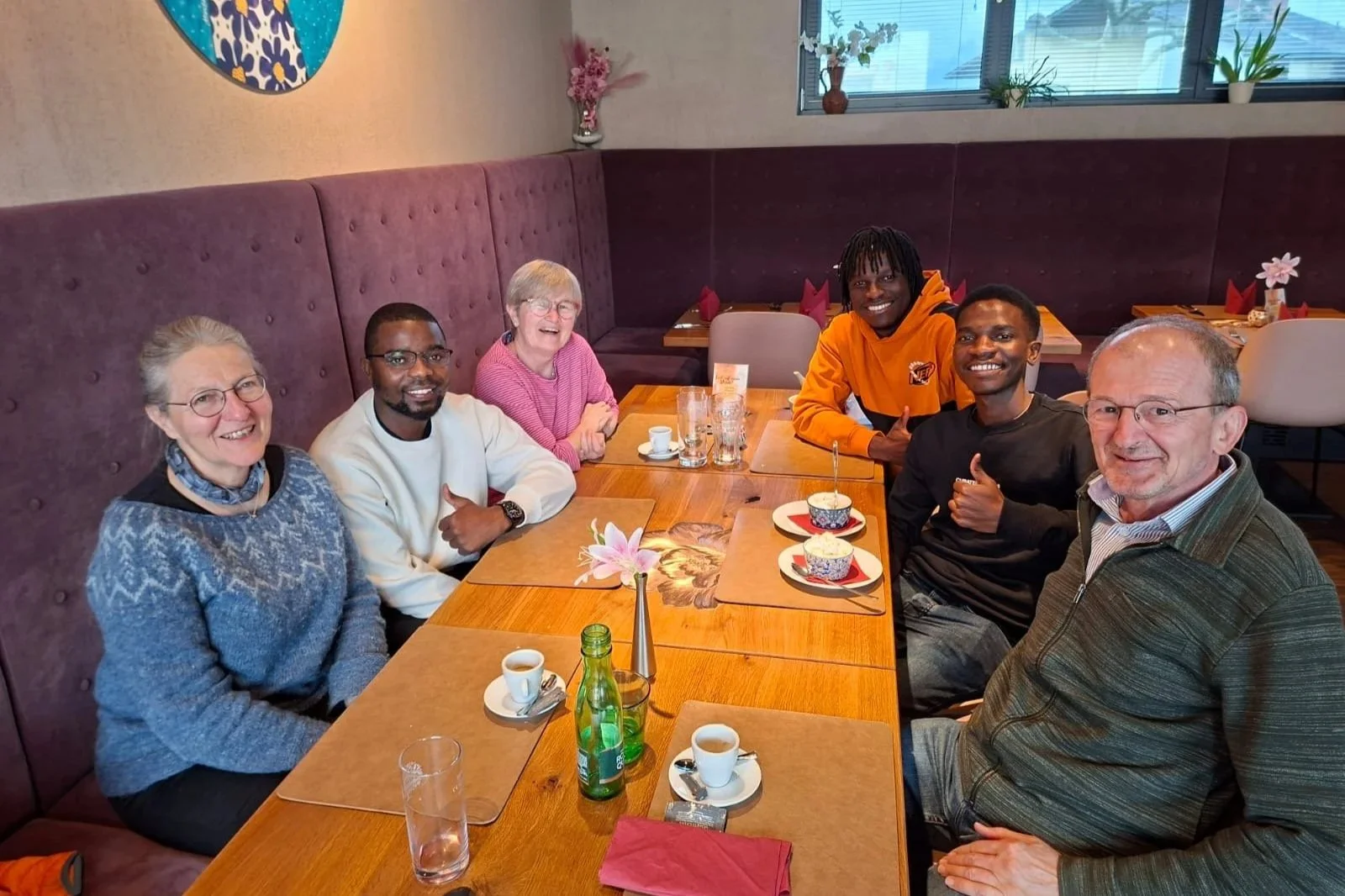
One of the most interesting parts of this experience for me wasn’t at the office, it was at home. That is where you really start to understand a culture – in the small, everyday moments. I had the privilege of living with two host families, the Biedermann family and the Spalt family, which meant I was able to experience life in Liechtenstein twice, each time in a slightly different way.
Even though both families share the same culture, each home had its own rhythm and its own way of doing things. Seeing these differences within the same country made the experience even more meaningful. I was not just a visitor in a hotel; I was part of real family routines, from shared meals to quiet evenings at home.
Coming from Zambia, I am used to a more flexible and social lifestyle. There is always something happening – conversations, laughter, people around. It feels alive. Liechtenstein and Switzerland, on the other hand, are more structured, calm, and very intentional. For example, evenings here are very quiet. In Zambia, that is when things are just getting started. Here, after a certain time, everything is just quiet.
Zambia and Liechtenstein are simply different, and I have learned to appreciate both. From Zambia, I value the sense of community, openness, and constant interaction. From Liechtenstein and Switzerland, I have come to appreciate the calm, the respect for privacy, and the way people plan and protect their time.
This contrast has broadened my view of what “home” can look like. Living with my host families showed me that warmth and care can be expressed in different ways, whether through lively gatherings or through quiet, structured routines. Both worlds have their own strengths, and I am grateful that I have been able to experience and learn from each of them.
HIGHLIGHTS AND CHALLENGES IN LIECHTENSTEIN
During my time in Liechtenstein and Switzerland, there were moments that stood out as clear highlights and others that challenged me and pushed me out of my comfort zone. Both sides were important for my personal and professional growth.
One of the biggest highlights was being part of the IT support environment at LGT. I was able to see how a professional team works together in a structured and efficient way. Colleagues took time to explain things, involved me in daily tasks, and showed trust by giving me responsibilities I could handle. It was motivating to see that the work I did contributed, even in a small way, to keeping things running smoothly for users.
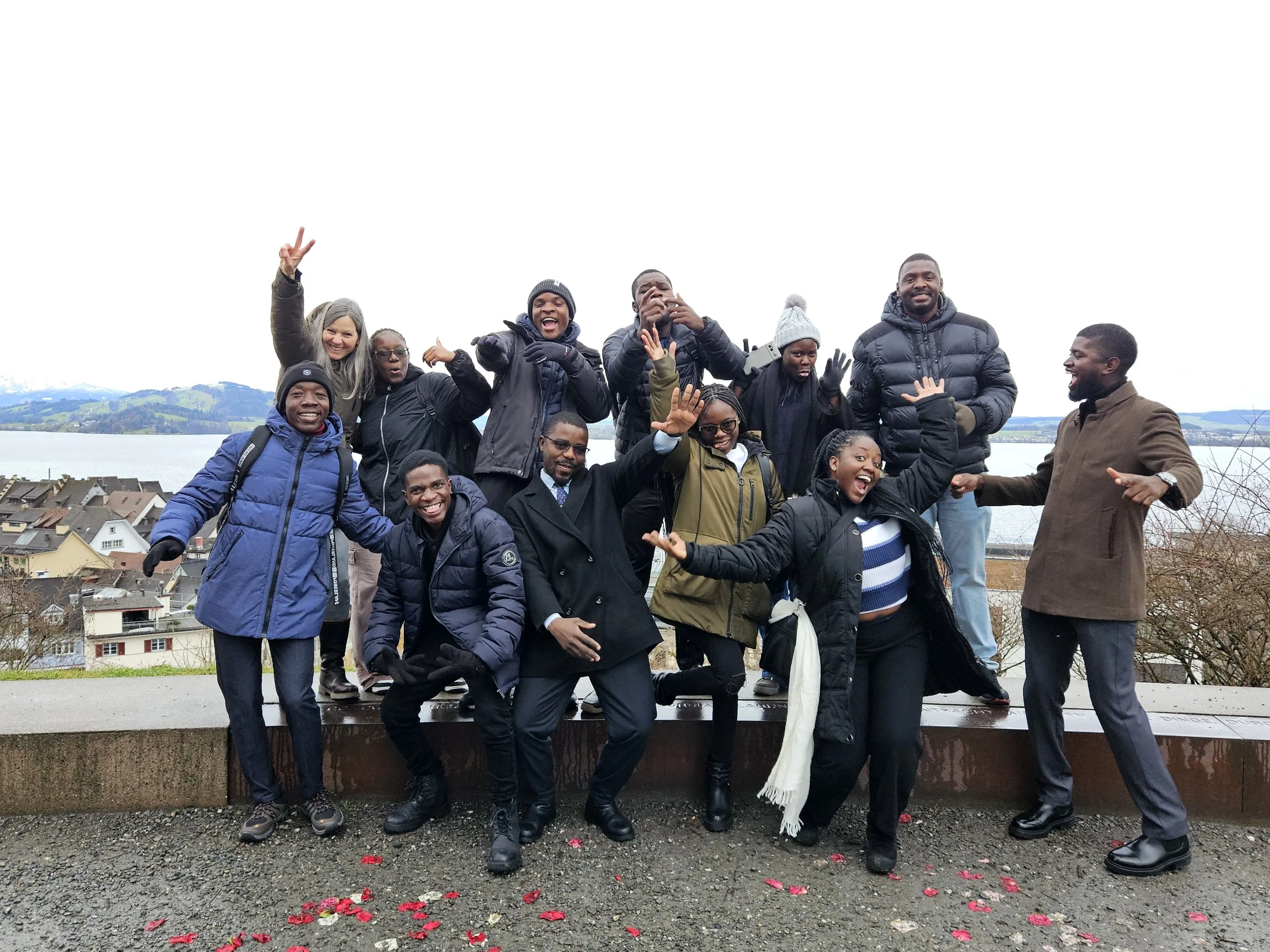
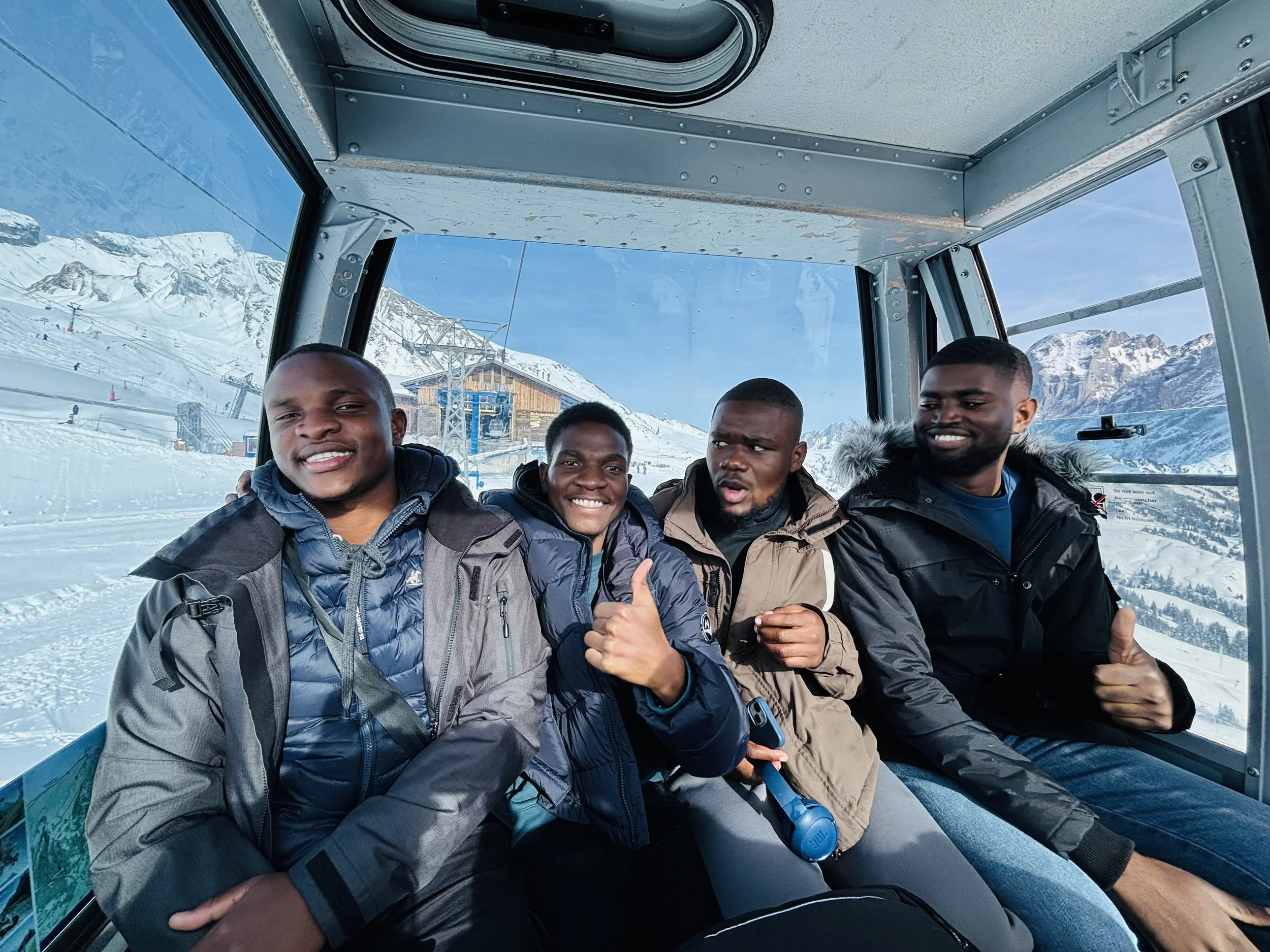
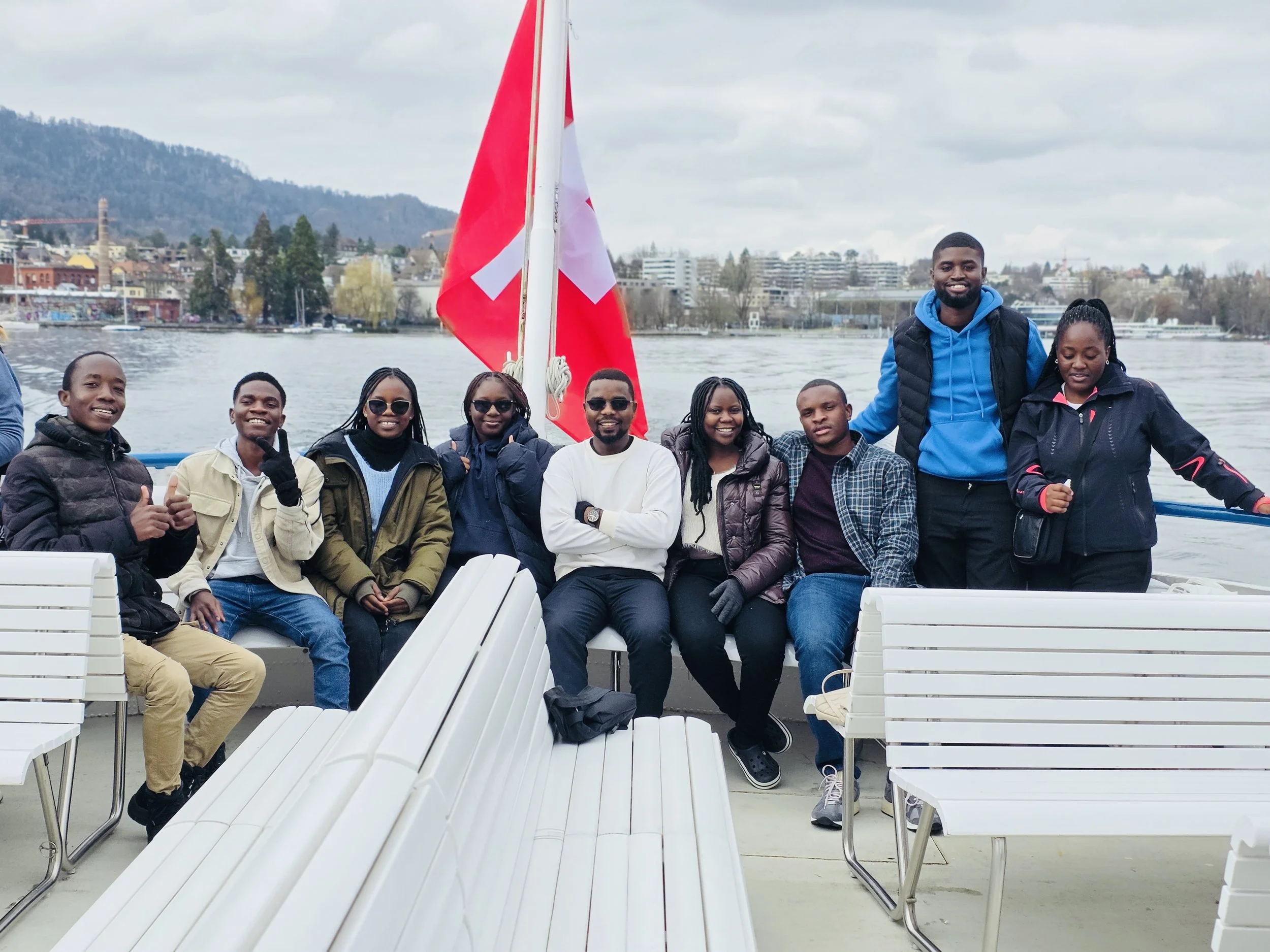
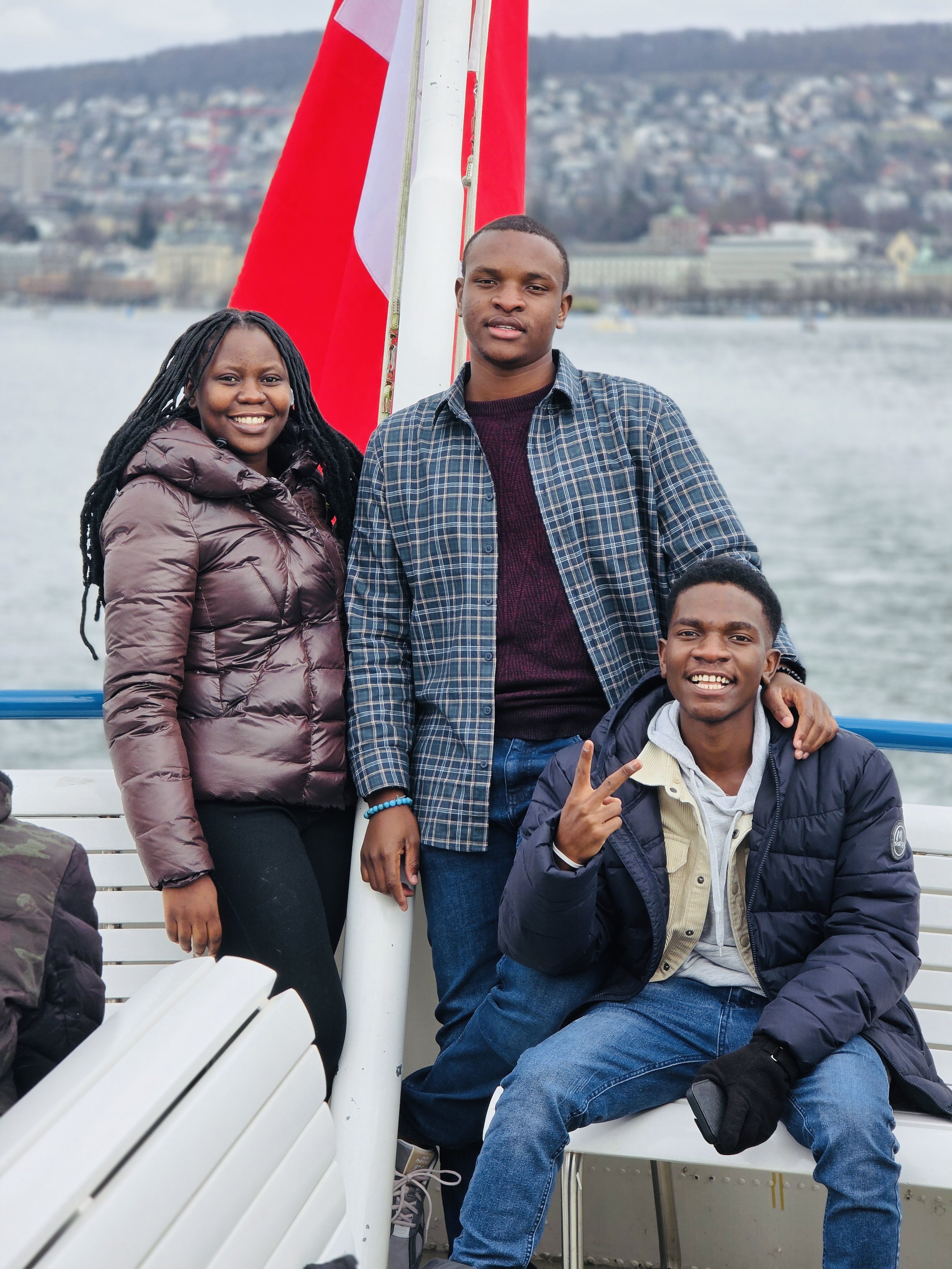
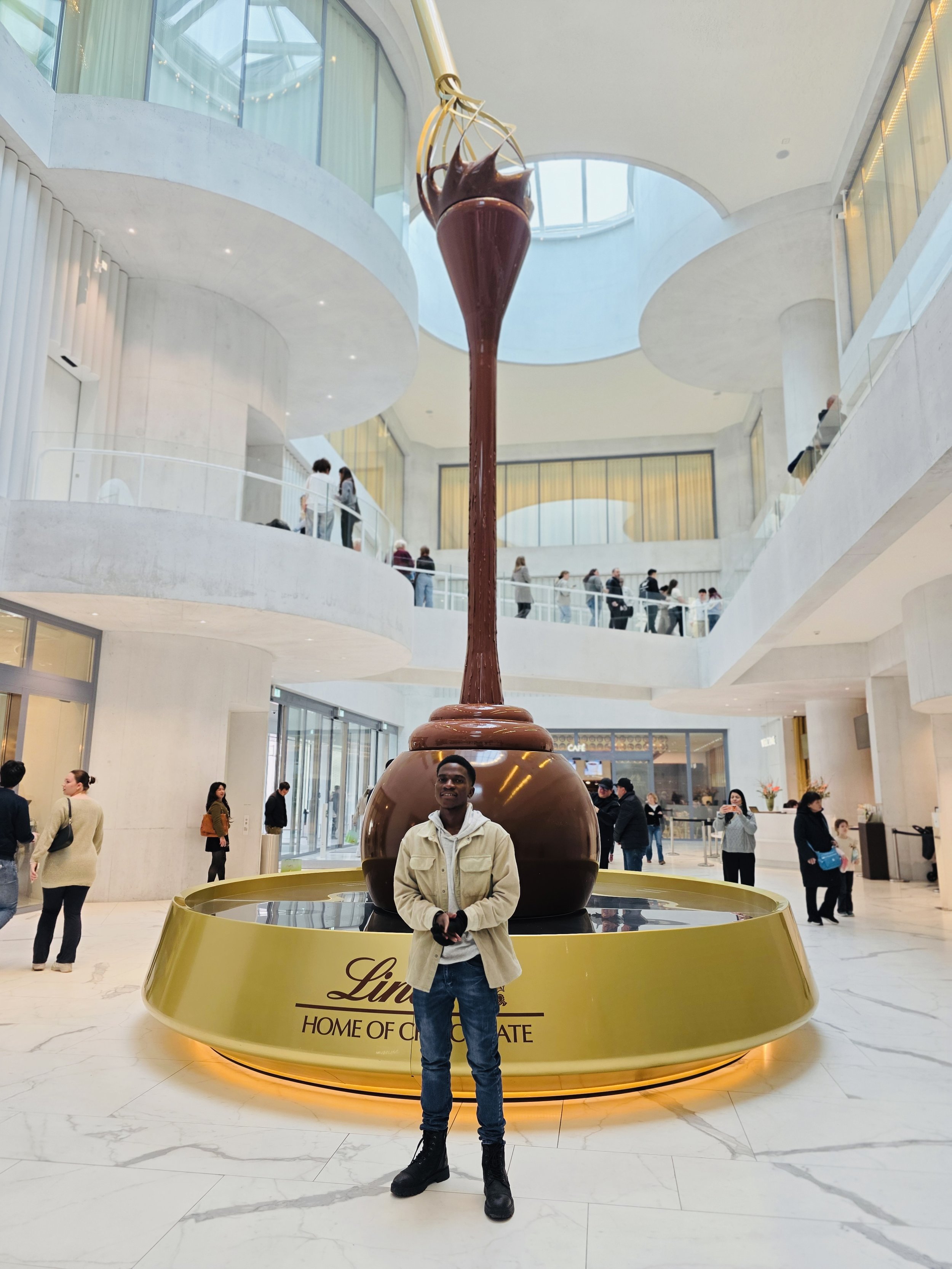
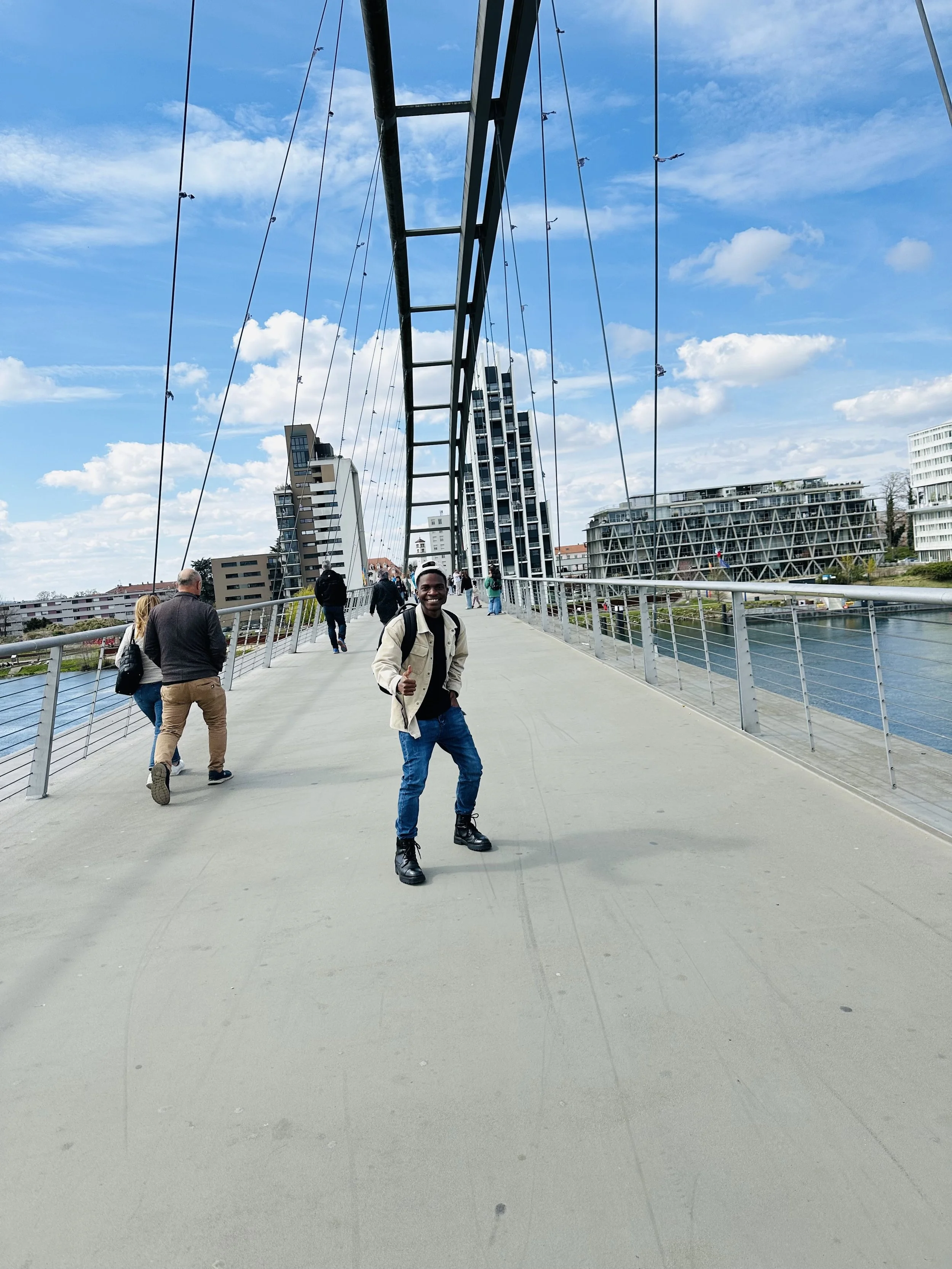
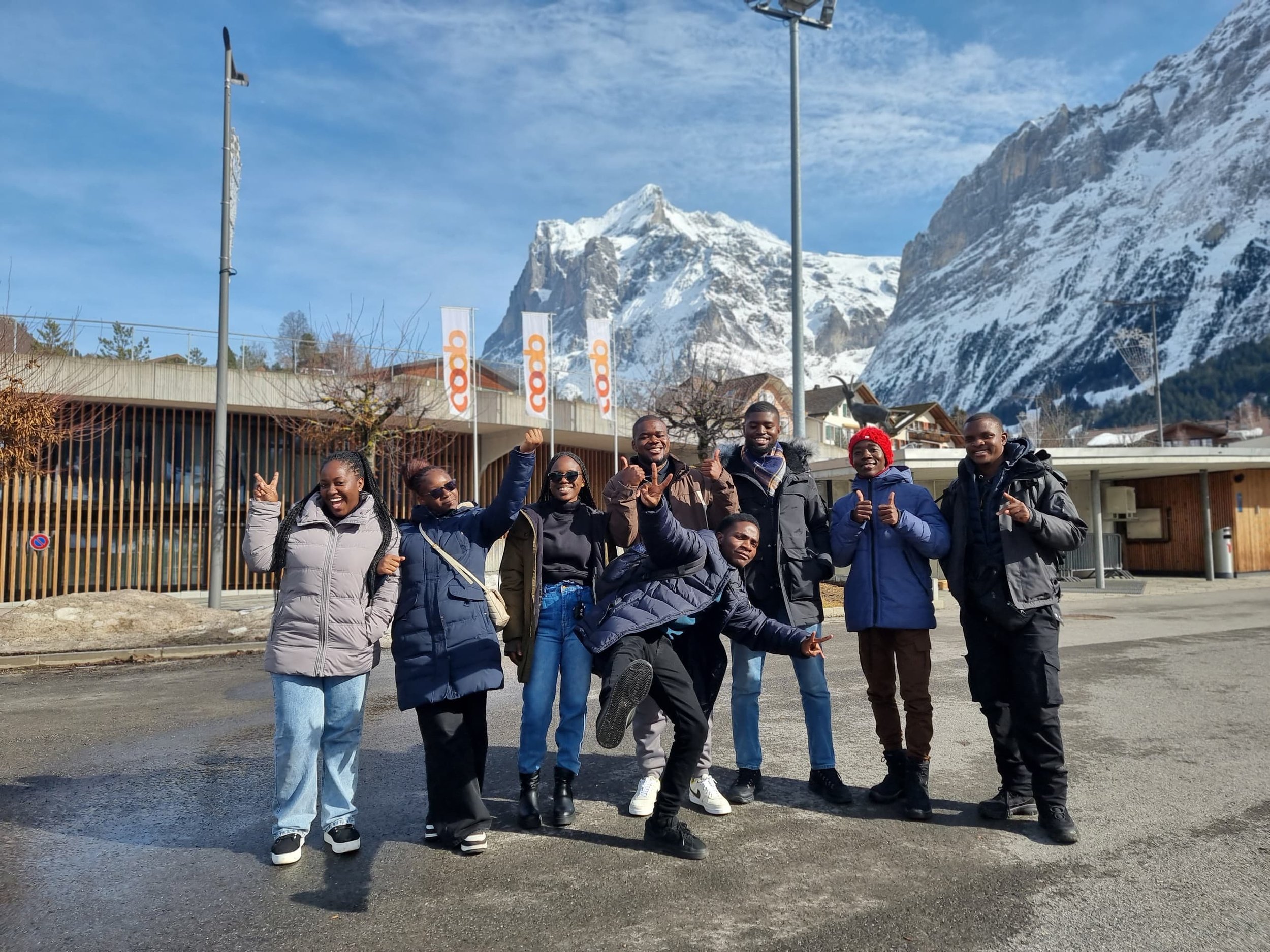
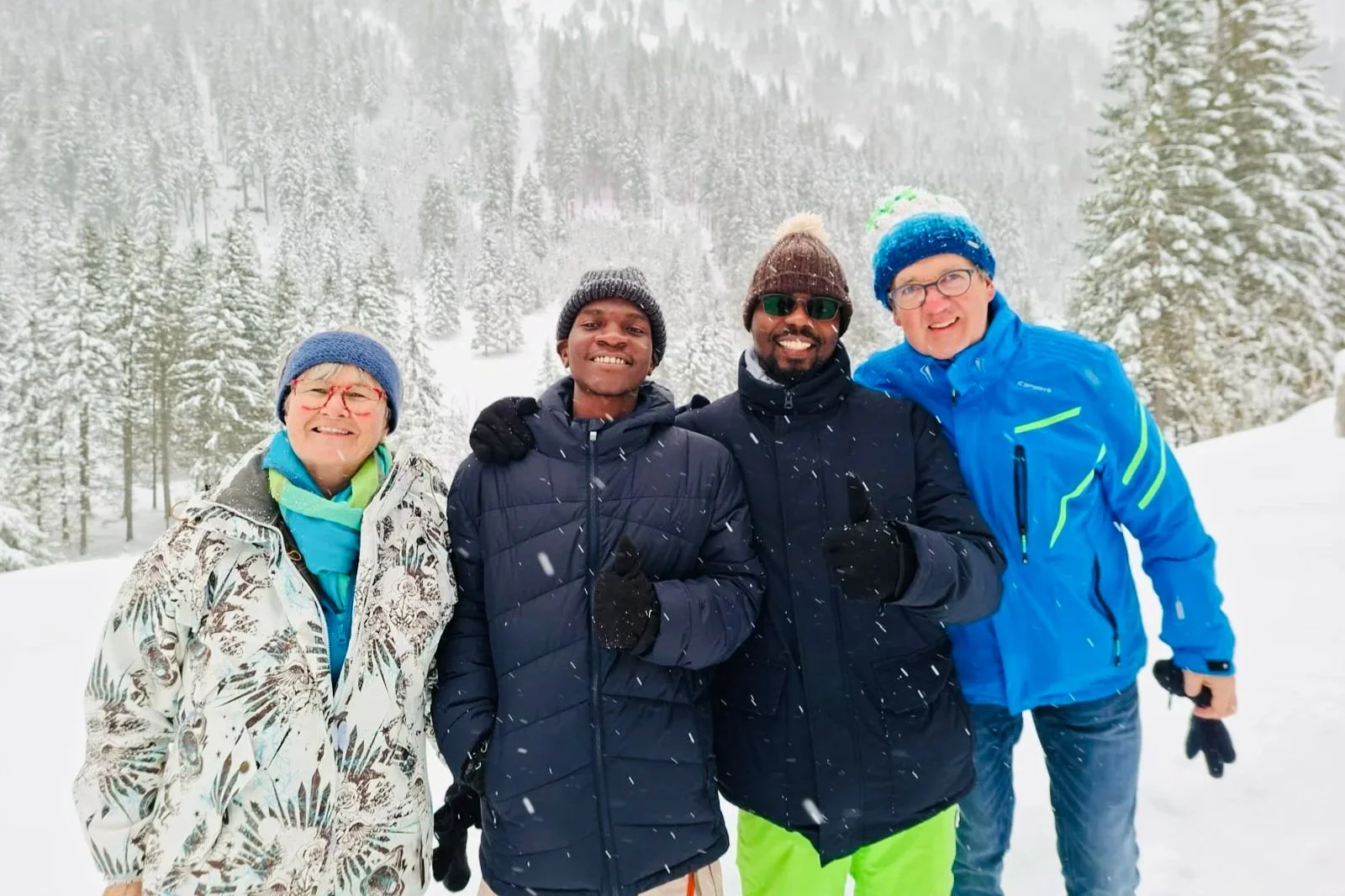
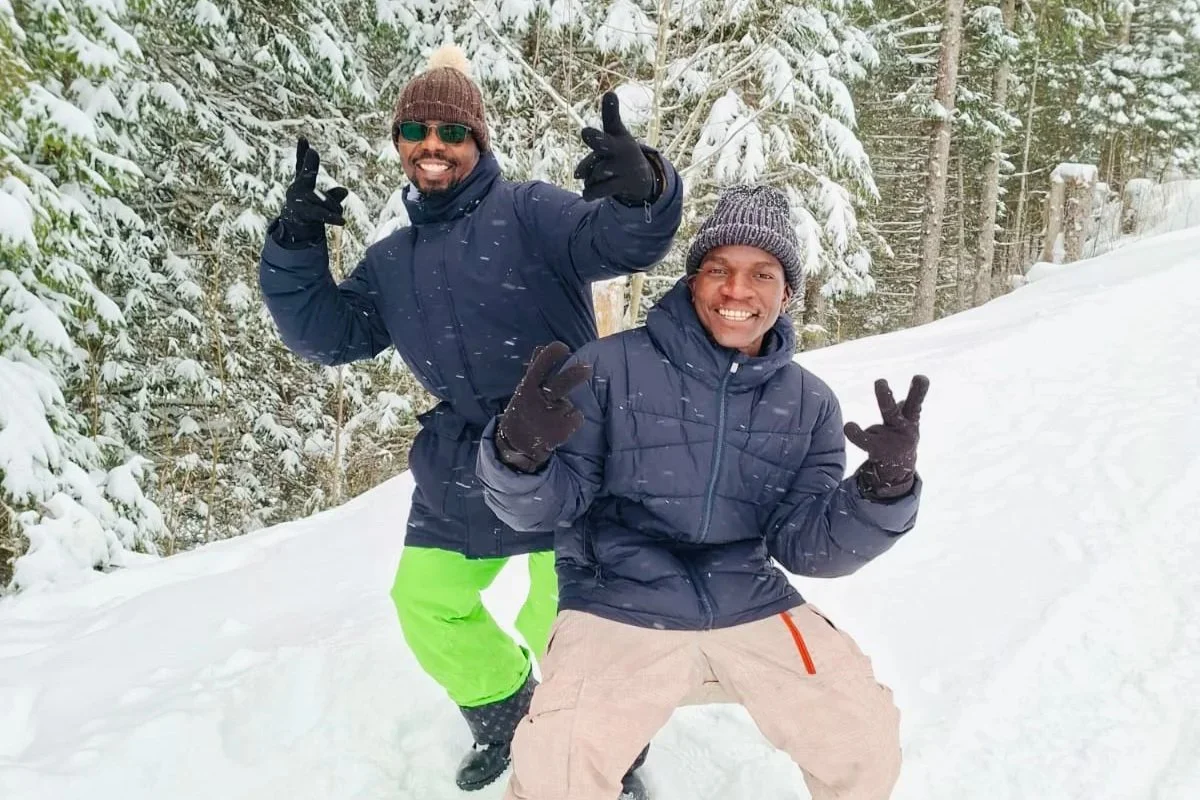
Another highlight was simply experiencing everyday life in Liechtenstein. The surroundings are very beautiful, with mountains, clean streets, and a calm atmosphere. Life felt safe and well organized, from public transport to how people plan their days. Combined with the experience of living with my host families, this gave me a very personal insight into how people here live, work, and relax.
At the same time, I also faced some challenges. One of the biggest was adapting to how quiet and private daily life can feel. Coming from Zambia, where evenings are lively and full of people, the calm evenings in Liechtenstein and Switzerland felt unusual at first. Sometimes it felt a bit lonely, and it took time to adjust and to find my own rhythm in this more reserved environment.
Another challenge was the language. Even though many people speak English, German and the local dialect are present everywhere in shops, on the street, and in conversations. It was not always easy to follow what was being said, especially in group situations. This pushed me to listen more carefully, to pick up some basic words and phrases, and, of course, to google the meaning of new words.
I also had to adapt to the high expectations around punctuality and planning. Things are scheduled in advance, and people really stick to those plans. There is very little “last-minute.” In the beginning, this was a bit stressful, but over time it helped me become more organized and intentional with my own time.
Looking back, the highlights and challenges are connected. The same structure, calm, and discipline that felt unfamiliar at first later became things I appreciated and learned from. This experience showed me that I can adapt to a very different environment and still grow, and it gave me a broader view of what “normal life” can look like in another part of the world.
MY FUTURE PLANS
This internship has helped me see my future more clearly. Before coming here, I knew I was interested in IT, but now I have a much better understanding of what it means to work in a professional IT environment and what is expected from someone in this field.
When I return to Zambia, I want to build on what I have learned here, not only the technical exposure, but especially the mindset of discipline, reliability, and clear communication. I plan to continue developing my skills in IT and to look for opportunities where I can combine technical work with direct user support, just as I experienced at LGT.
What I am taking back home goes beyond skills. I am taking back a new standard for myself, in how I work, how I think, how I communicate, and how I show up every day. I have seen how small things like punctuality, clarity, and accountability create a strong and efficient system. I believe that applying this mindset, even in small ways, can create real impact in my future workplace and community back home.
In the long term, I hope to keep growing through further learning, professional experience, and, if possible, more international exposure. This internship has given me confidence that I can adapt to new environments and that I belong in professional spaces like this. That is something I want to build on in the next steps of my journey.
So, for me, this internship hasn’t just been about gaining experience; it has been about raising my standards. Not because I must, but because now I have seen what is possible. And once you have seen that, you cannot go back to thinking small.

PERSONAL MESSAGE
I am deeply grateful to everyone who made this experience possible.
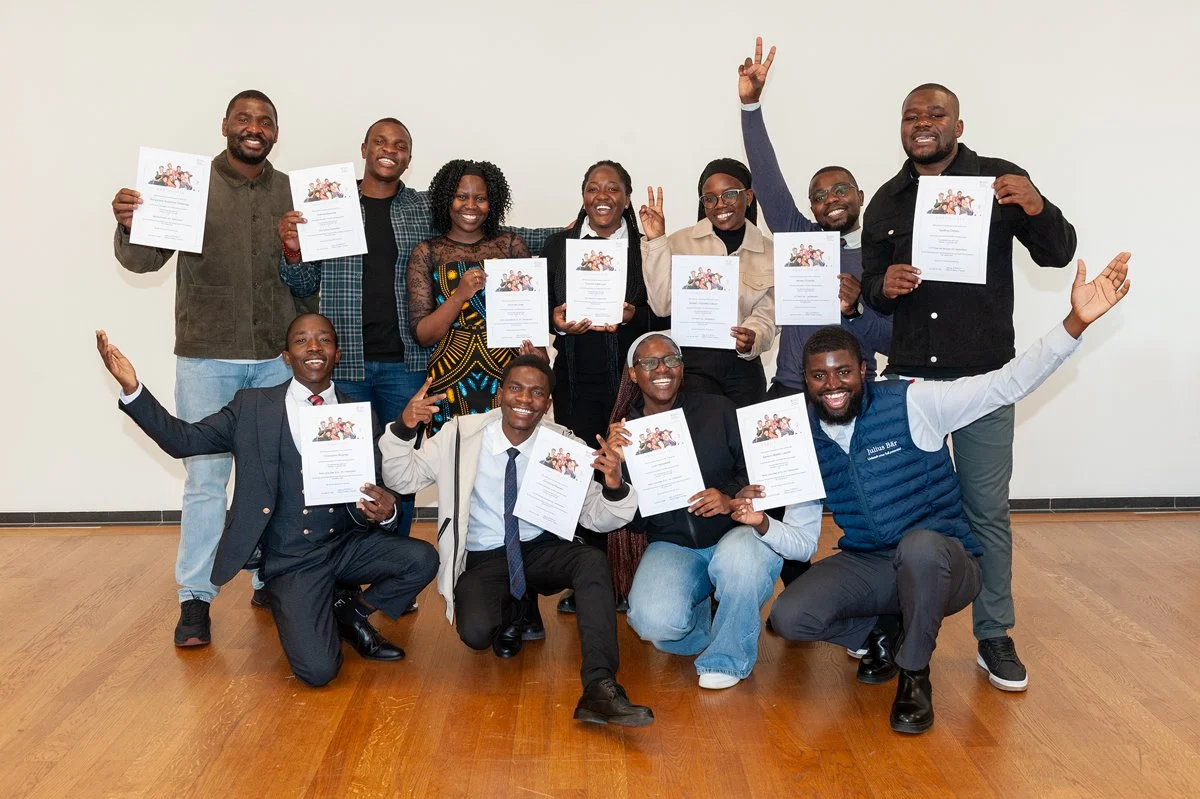
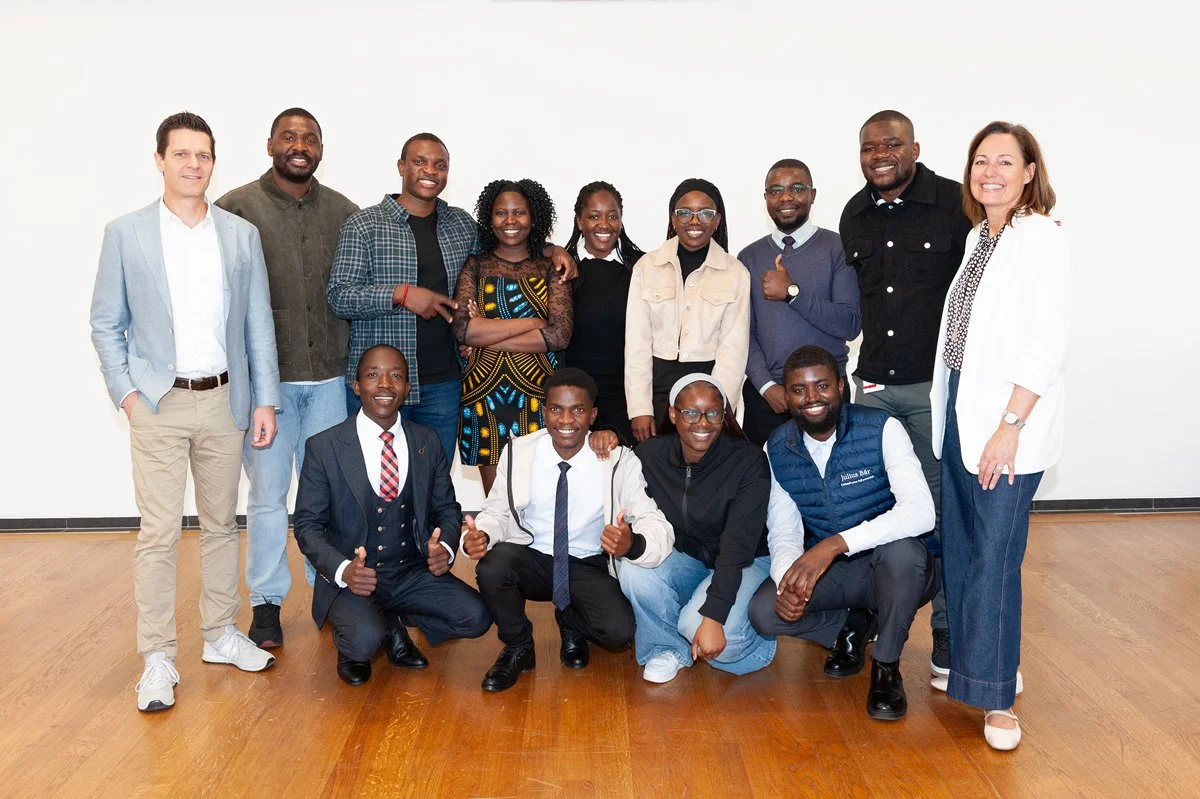
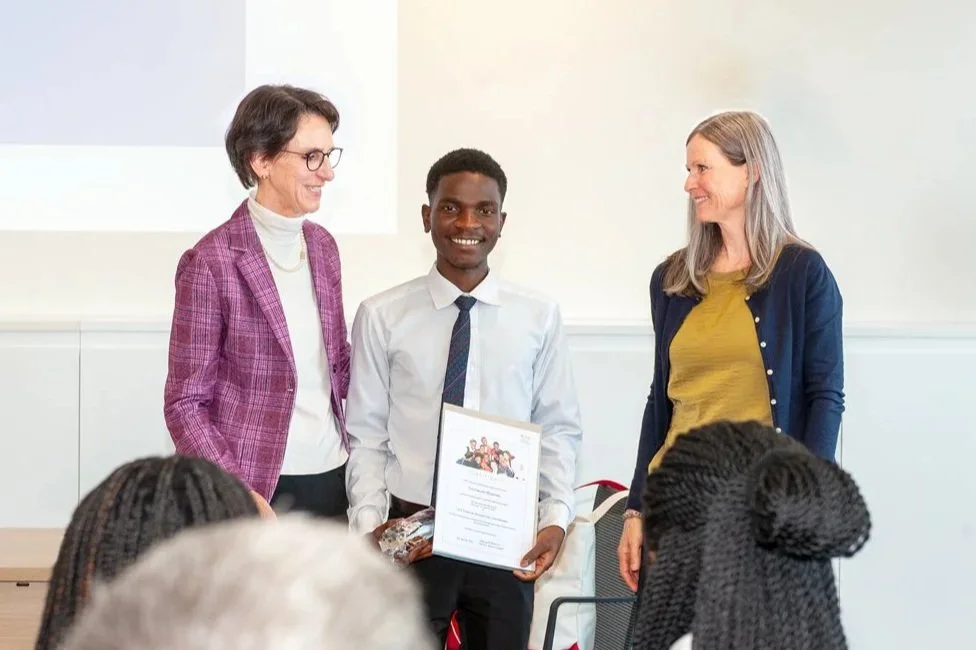
To LGT, B360 education partnerships, and the University of Lusaka: thank you for creating a bridge between two very different parts of the world and for investing in young people like me. This opportunity was not just a visit; it was a real learning experience that has changed how I see myself, my work, and my future.
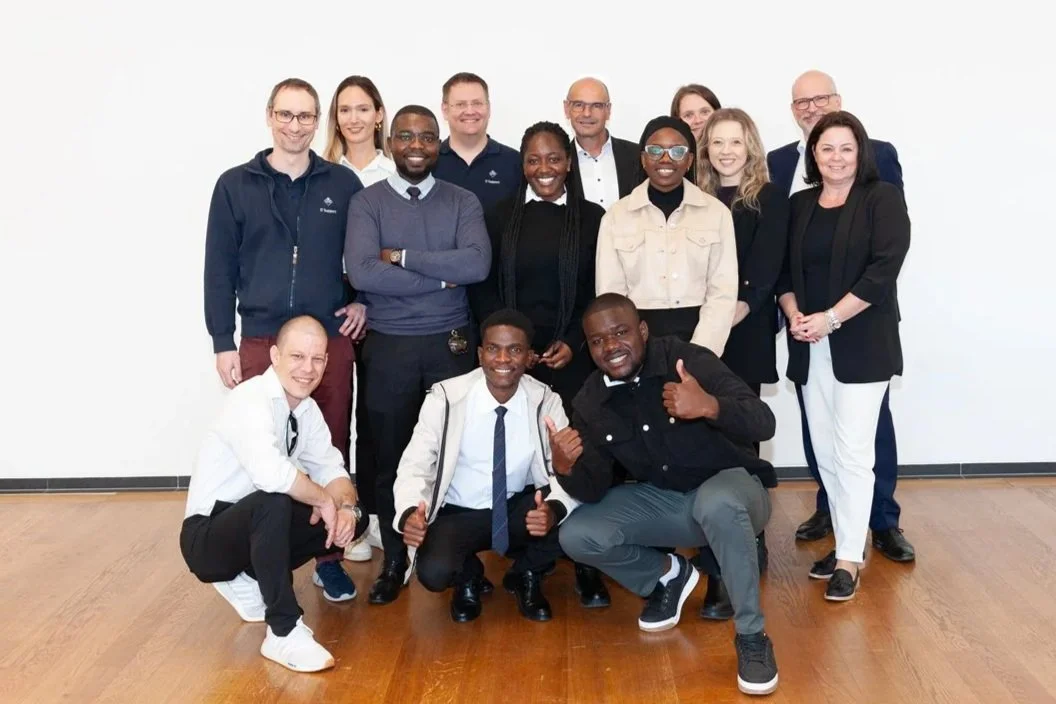
To the IT team and colleagues I worked with: thank you for your patience, your guidance, and for treating me as part of the team. Every explanation, every task you trusted me with, and every conversation helped me grow, both technically and personally.
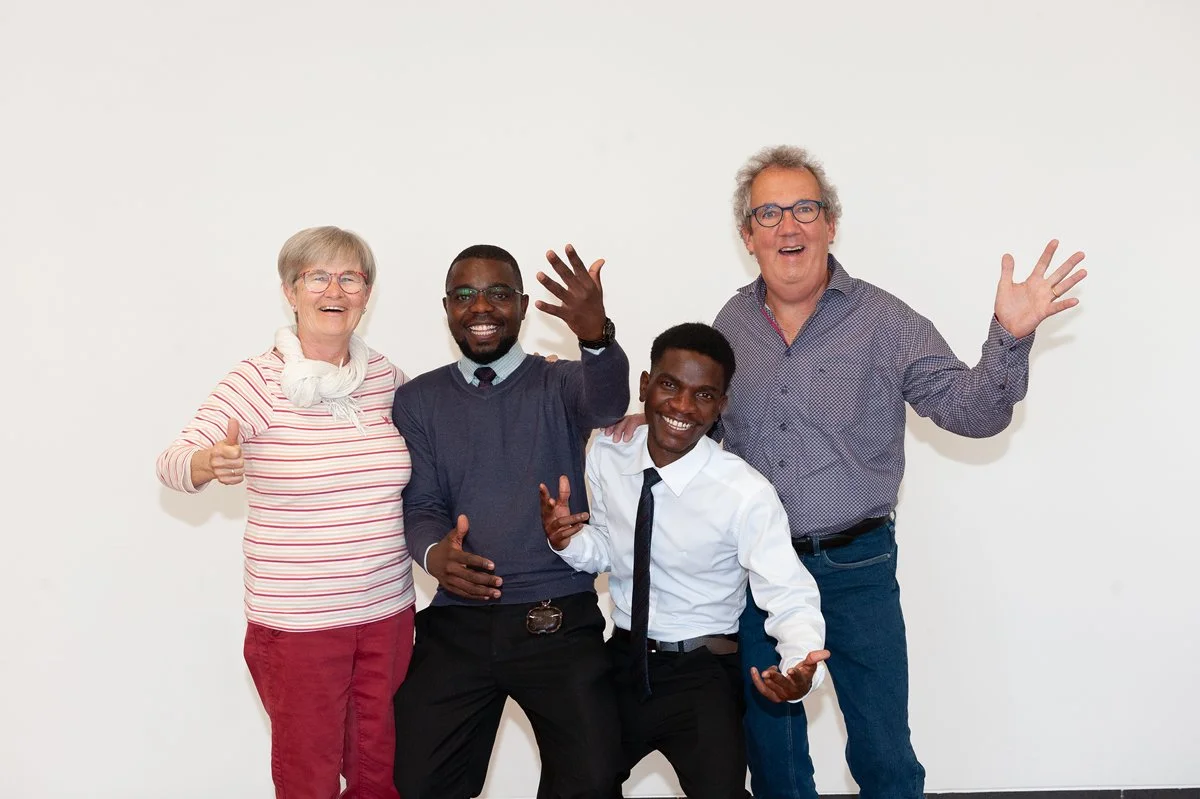
To my host families, the Biedermann and the Spalt family: my heart will always be with you. Thank you for opening your homes and lives to me. You gave me more than a place to stay; you gave me a safe and welcoming environment where I could experience everyday life in Liechtenstein and Switzerland. Your kindness, support, and openness made a big difference in how comfortable and included I felt.
Finally, to future participants who may come after me: come with an open mind, be ready to adapt, and ask as many questions as possible more than I did, and observe the small details. The biggest lessons are often not only in the office, but also at the dinner table, on the way to work, or in how people organize their daily lives. If you are willing to learn from all of it, this experience can shape not just your skills, but your character and your outlook on life. Indeed, a mind open to new ways of living is a mind that keeps growing.