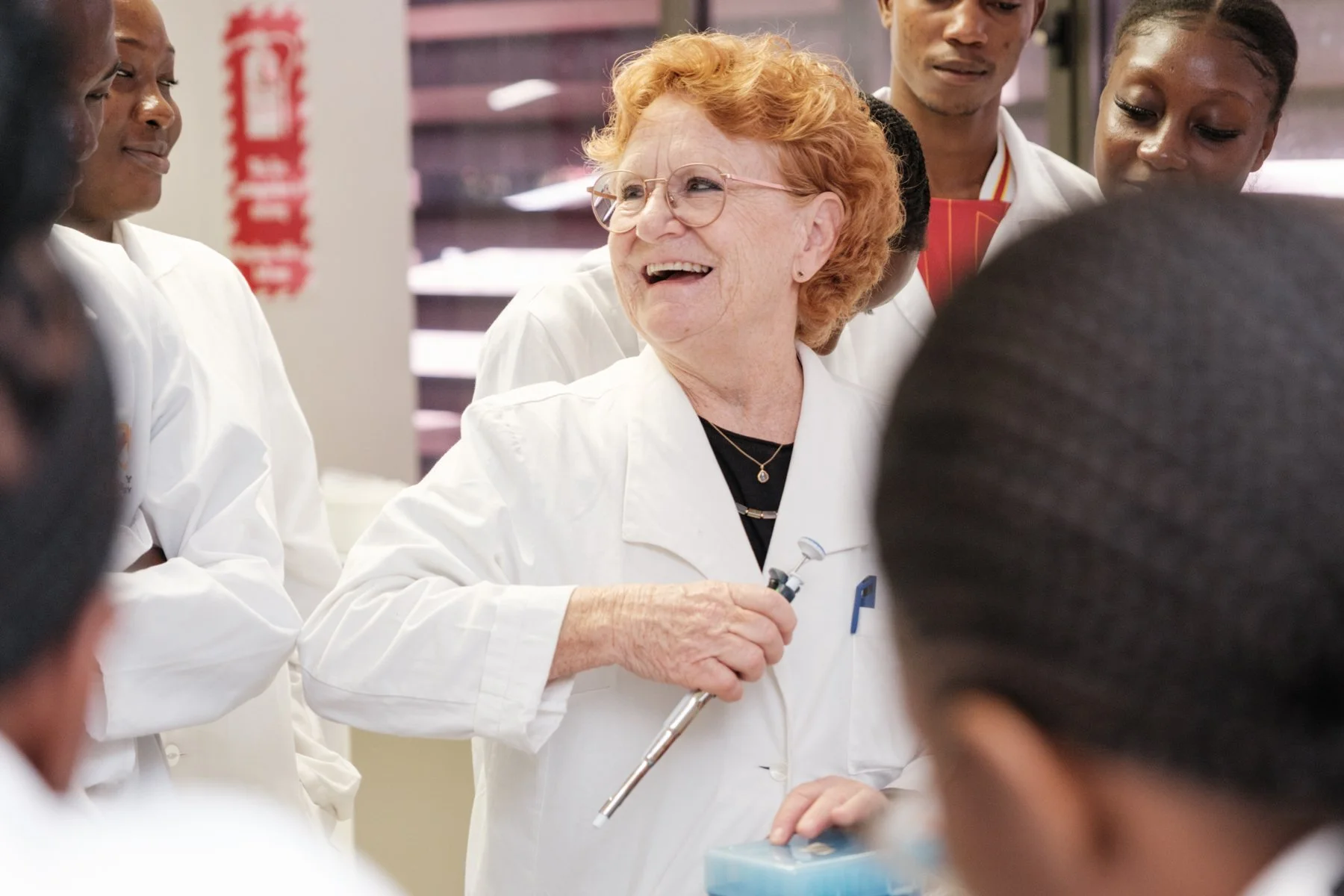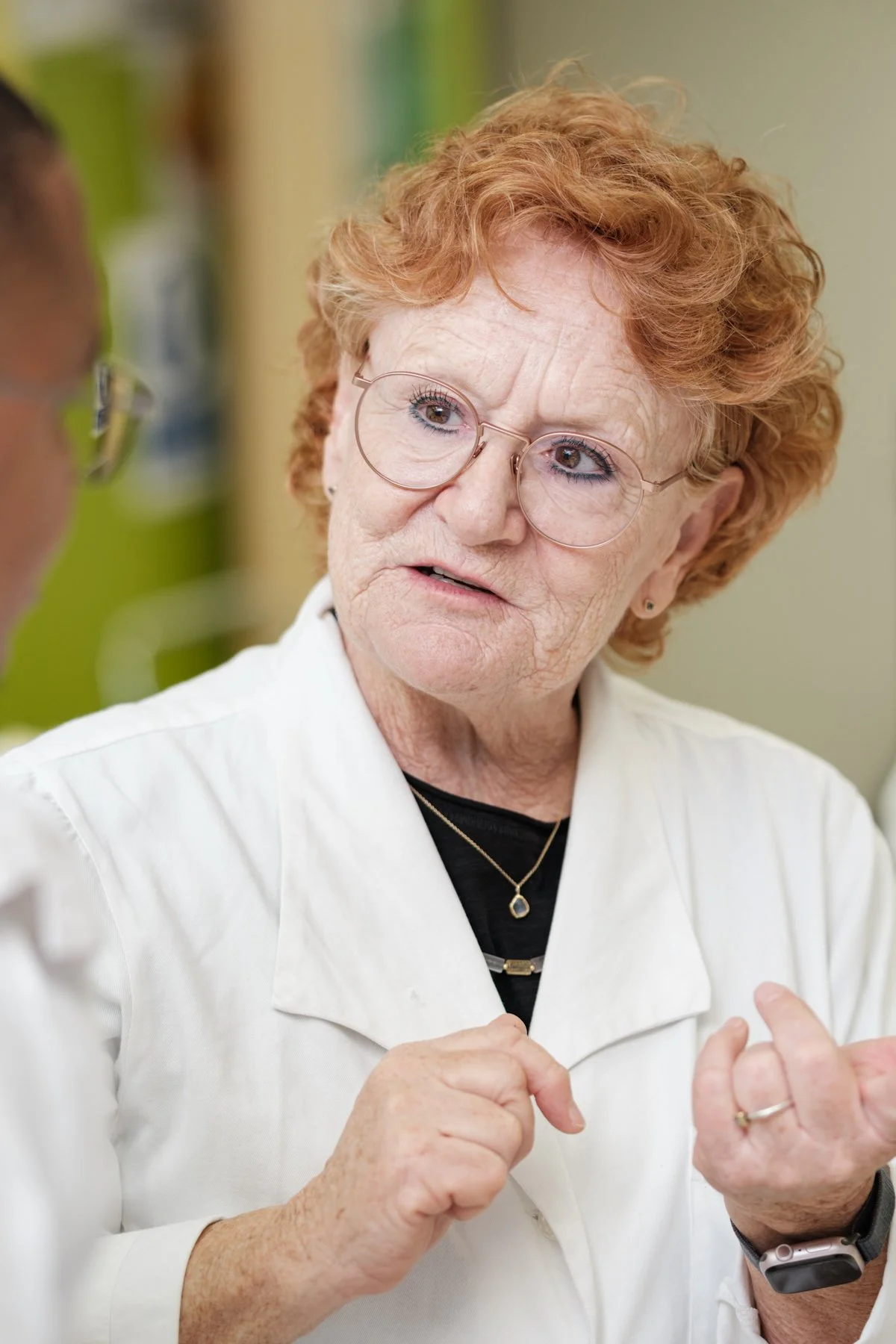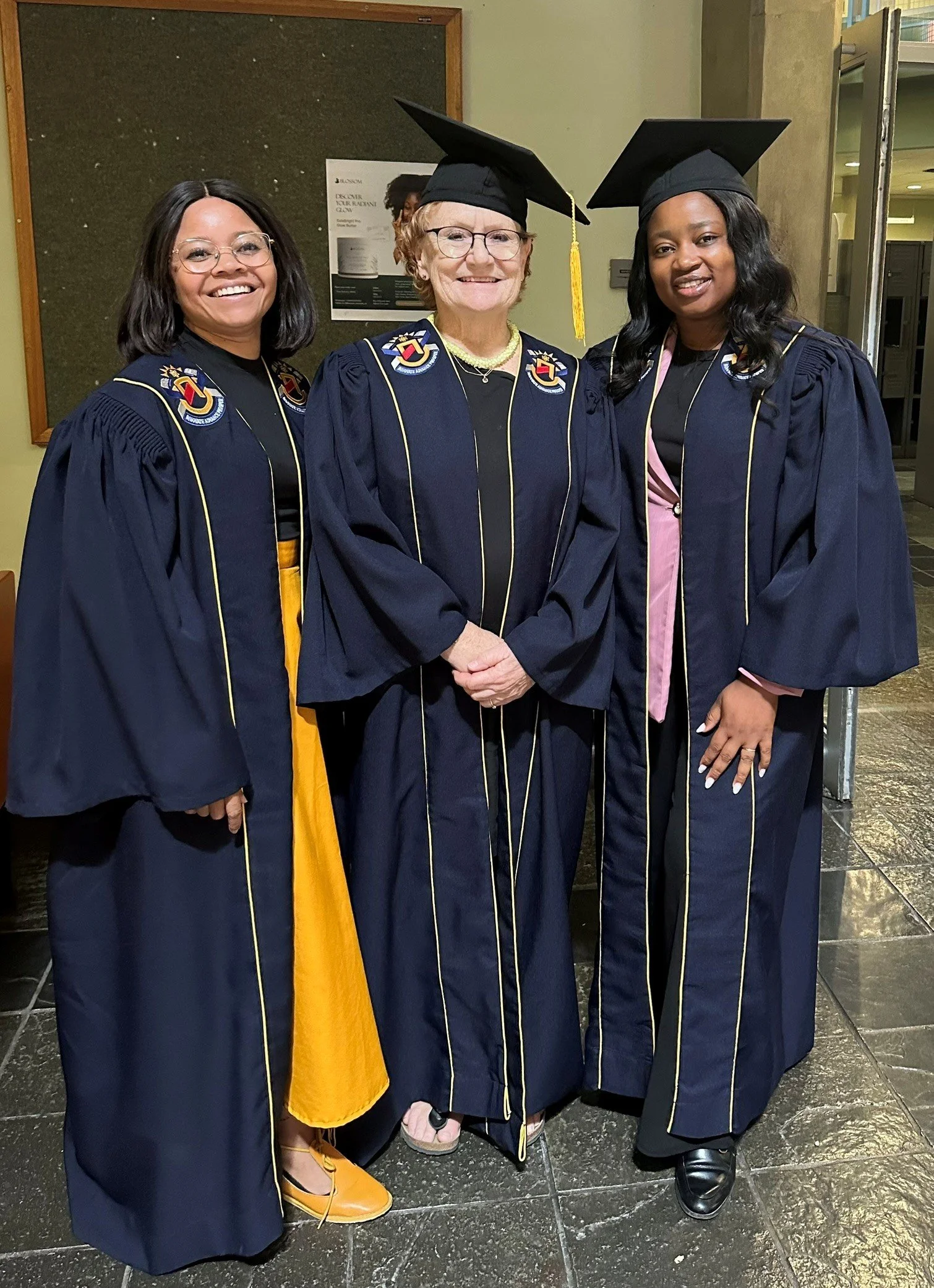
Prof Dr Corinne Gantenbein-Demarchi
Professor in Food Microbiology and Food Safety (retired)
B360 Advisory Board Member
Department of Preventative Health Sciences,
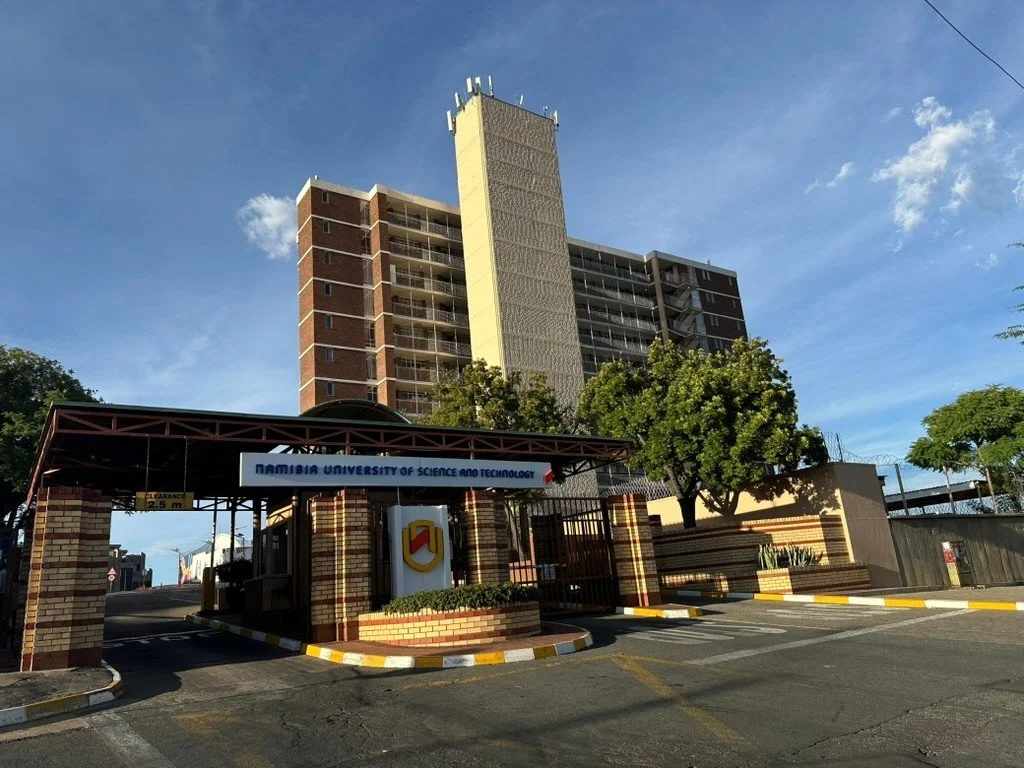
Namibia University of Science and Technology
February 19 - March 14, 2026
Supporting Food Safety Education in Namibia:
Reflections from My NUST Assignment
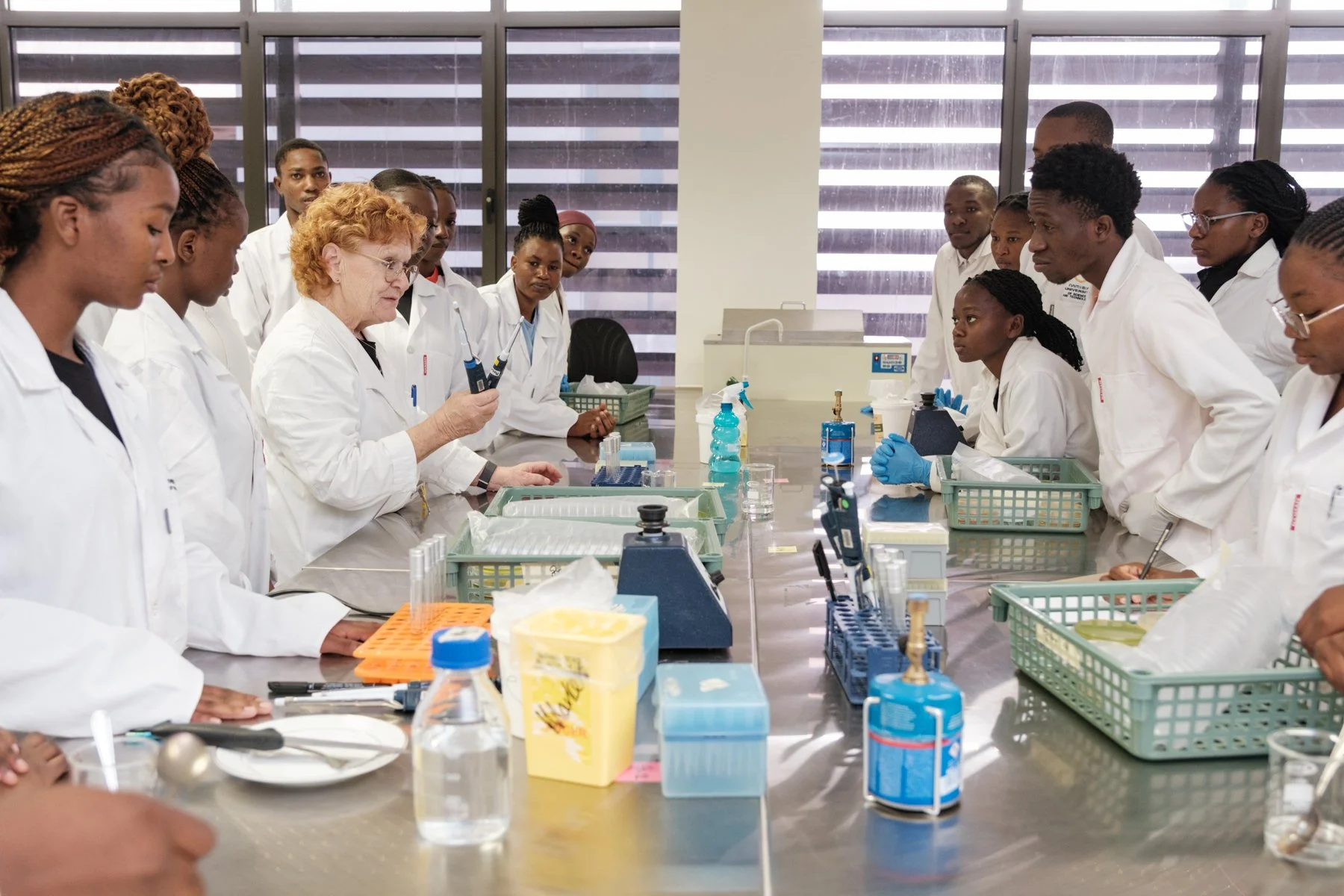
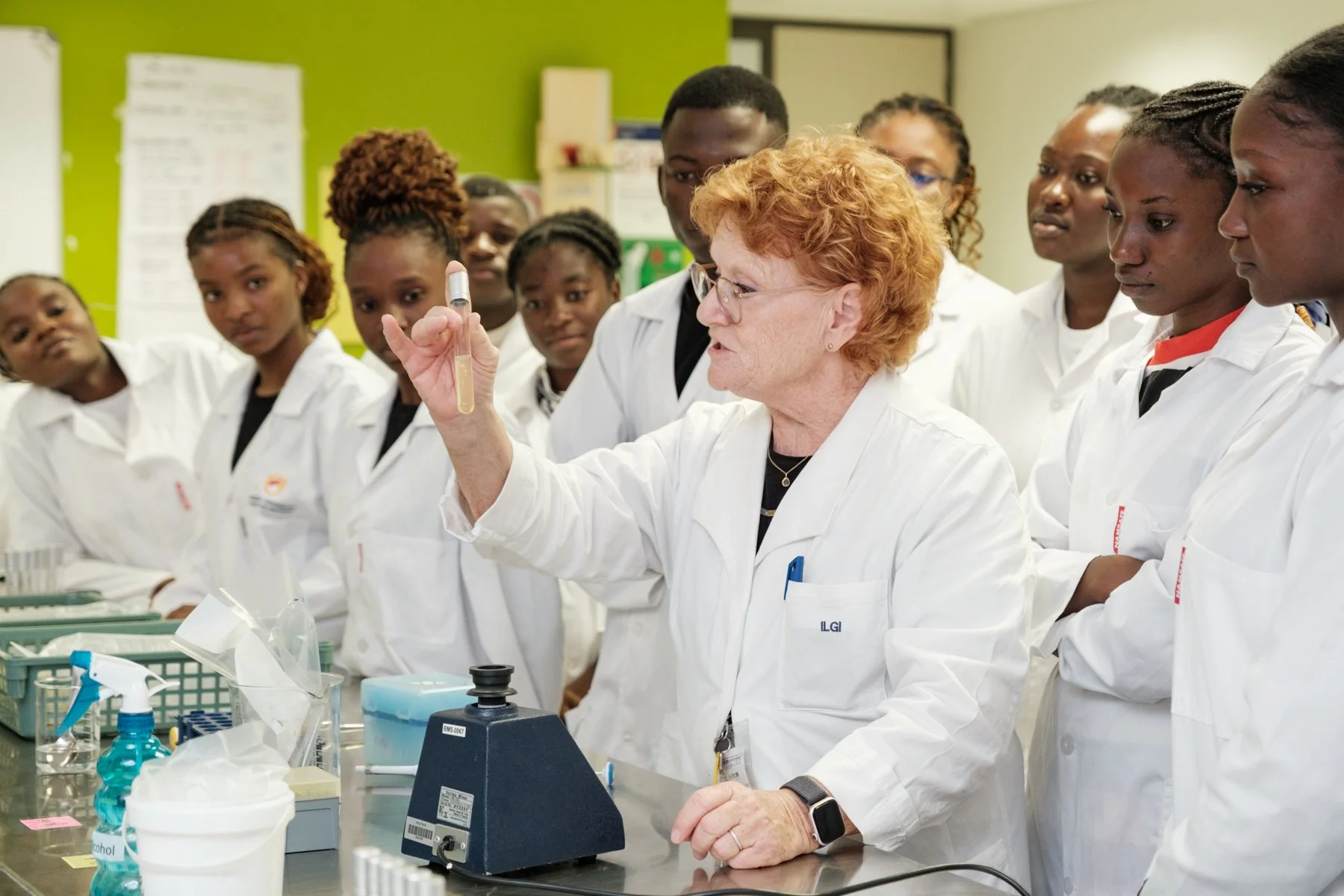
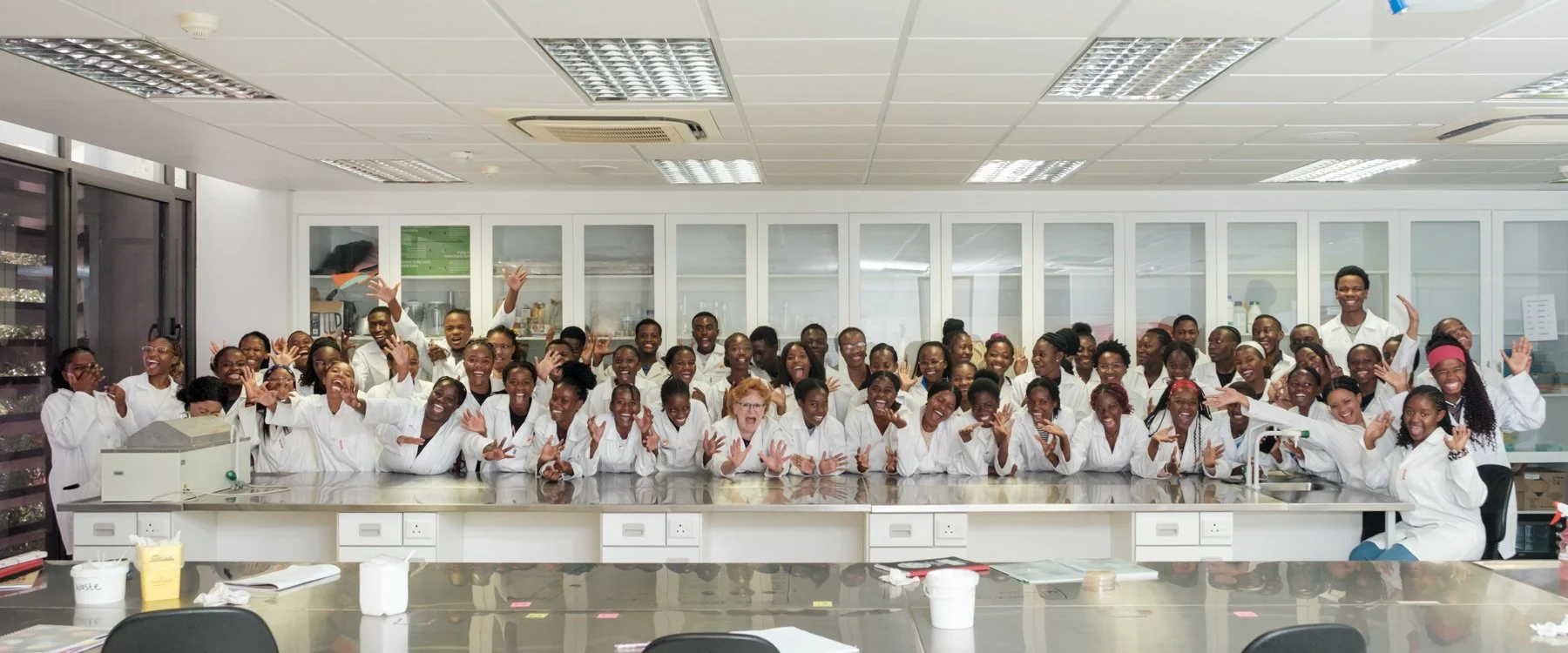
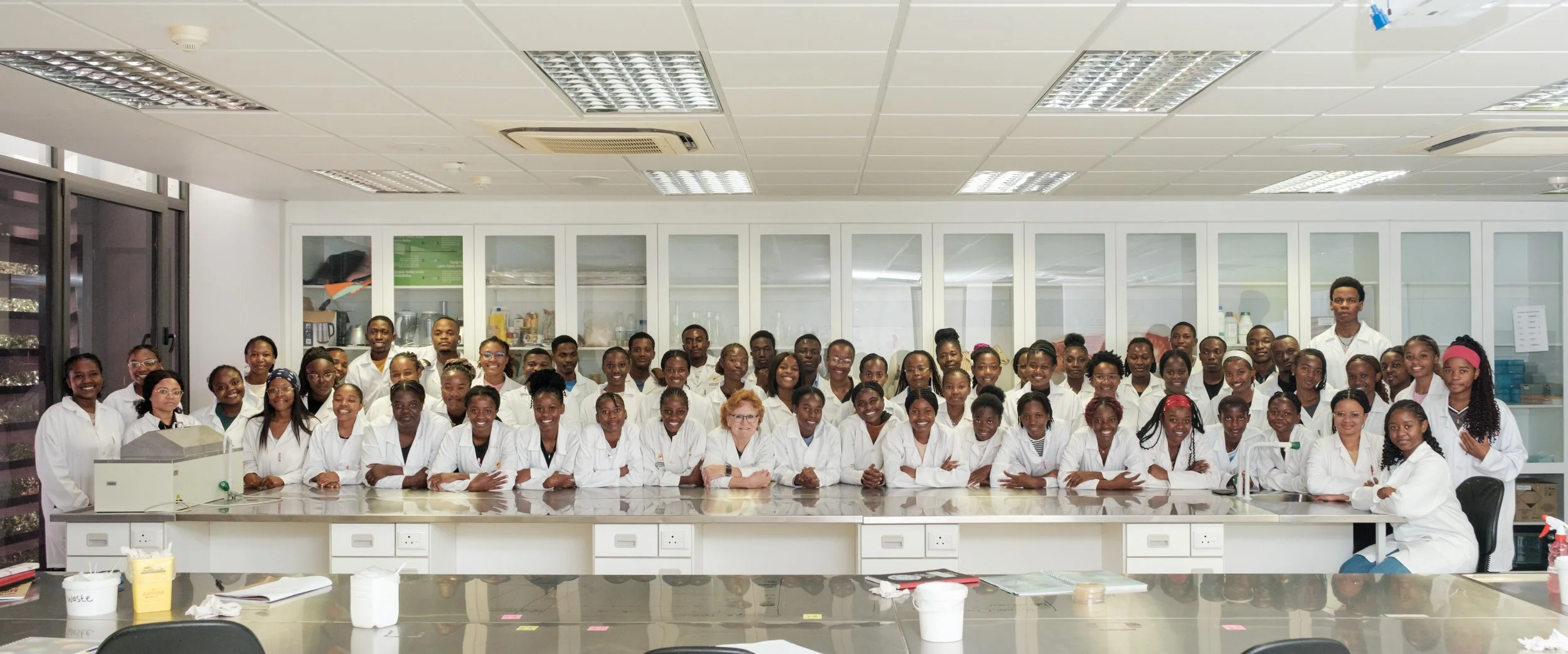
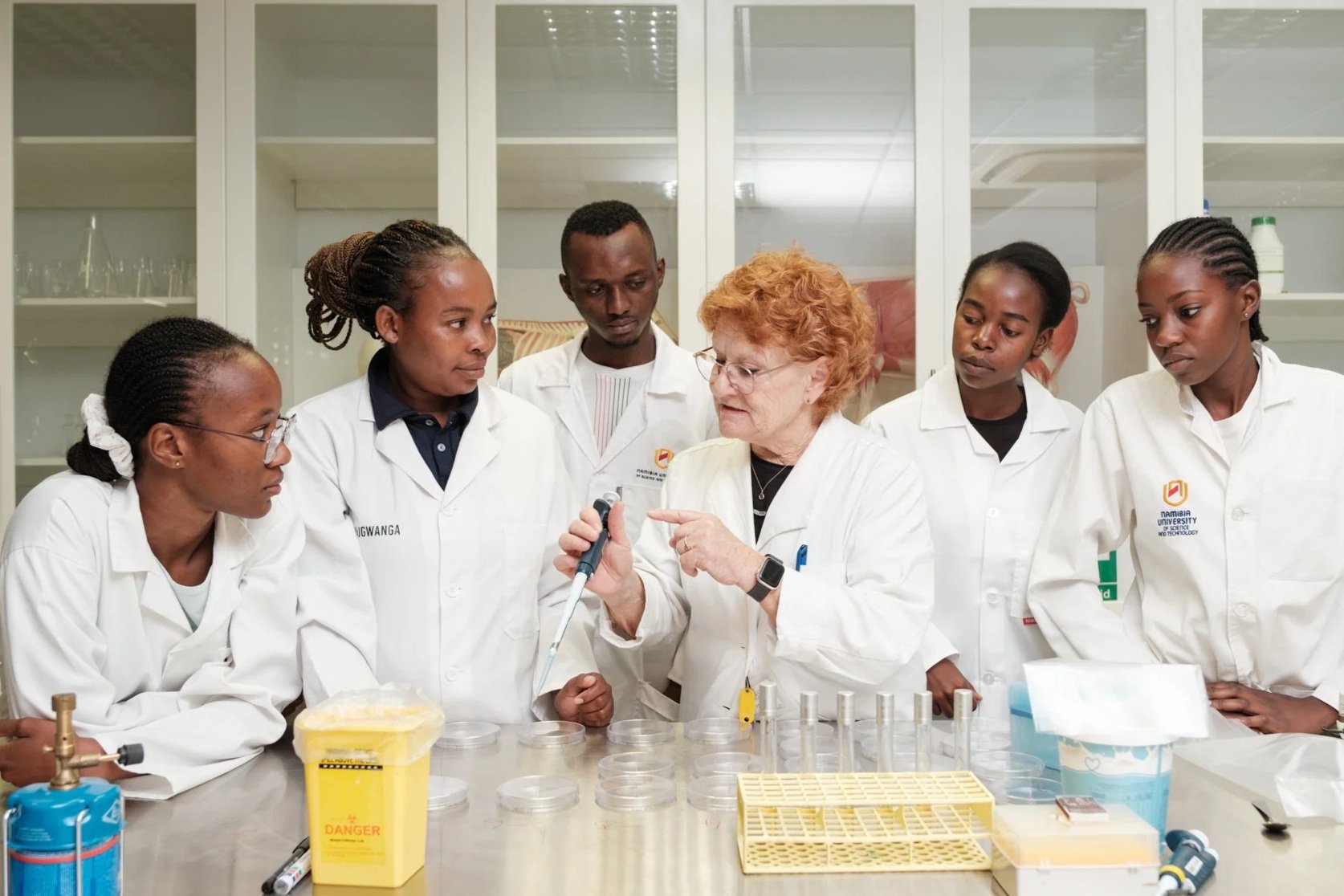
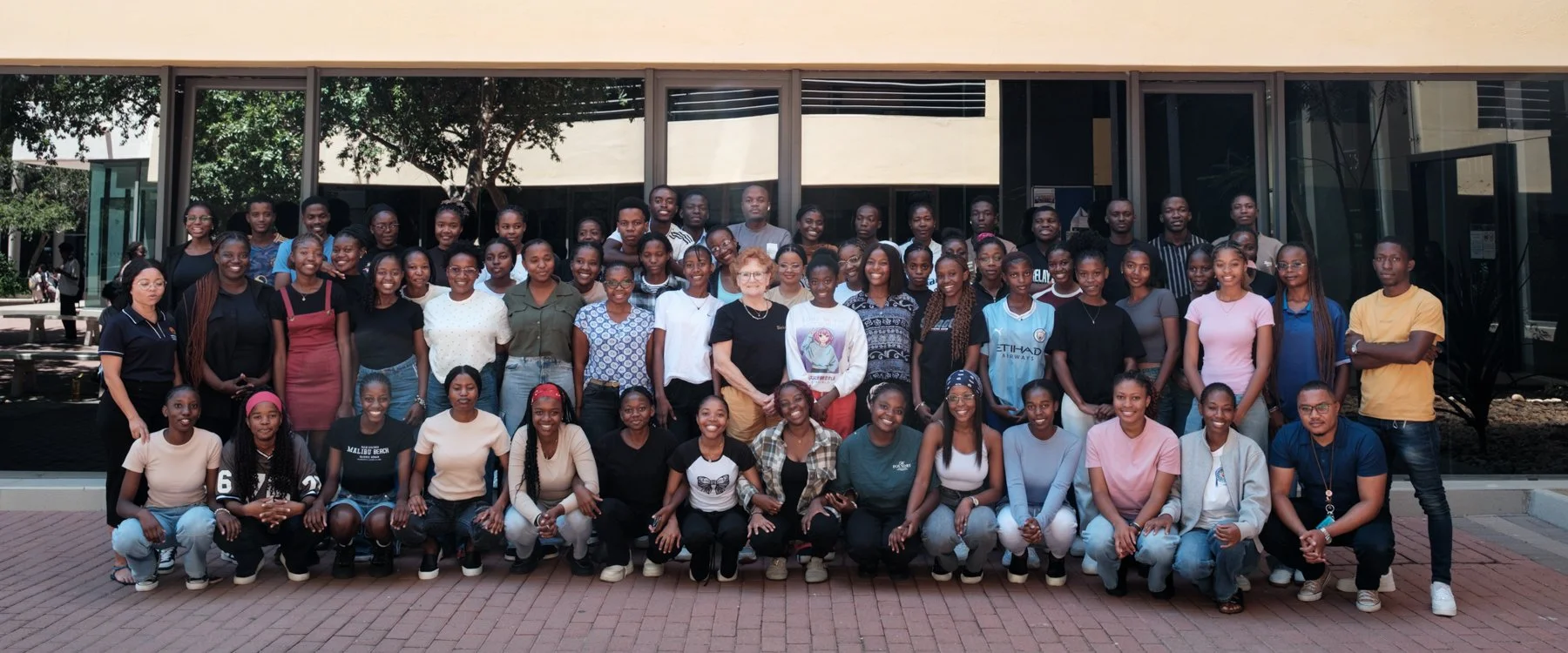
Returning to the Namibia University of Science and Technology (NUST) for my ninth assignment was a great pleasure. From 19 February to 14 March 2026, I worked with 68 second-year Environmental Health students from the Health Science Department. During these three weeks, we carried out a Food Safety Project, which remains an important and successful part of the course.
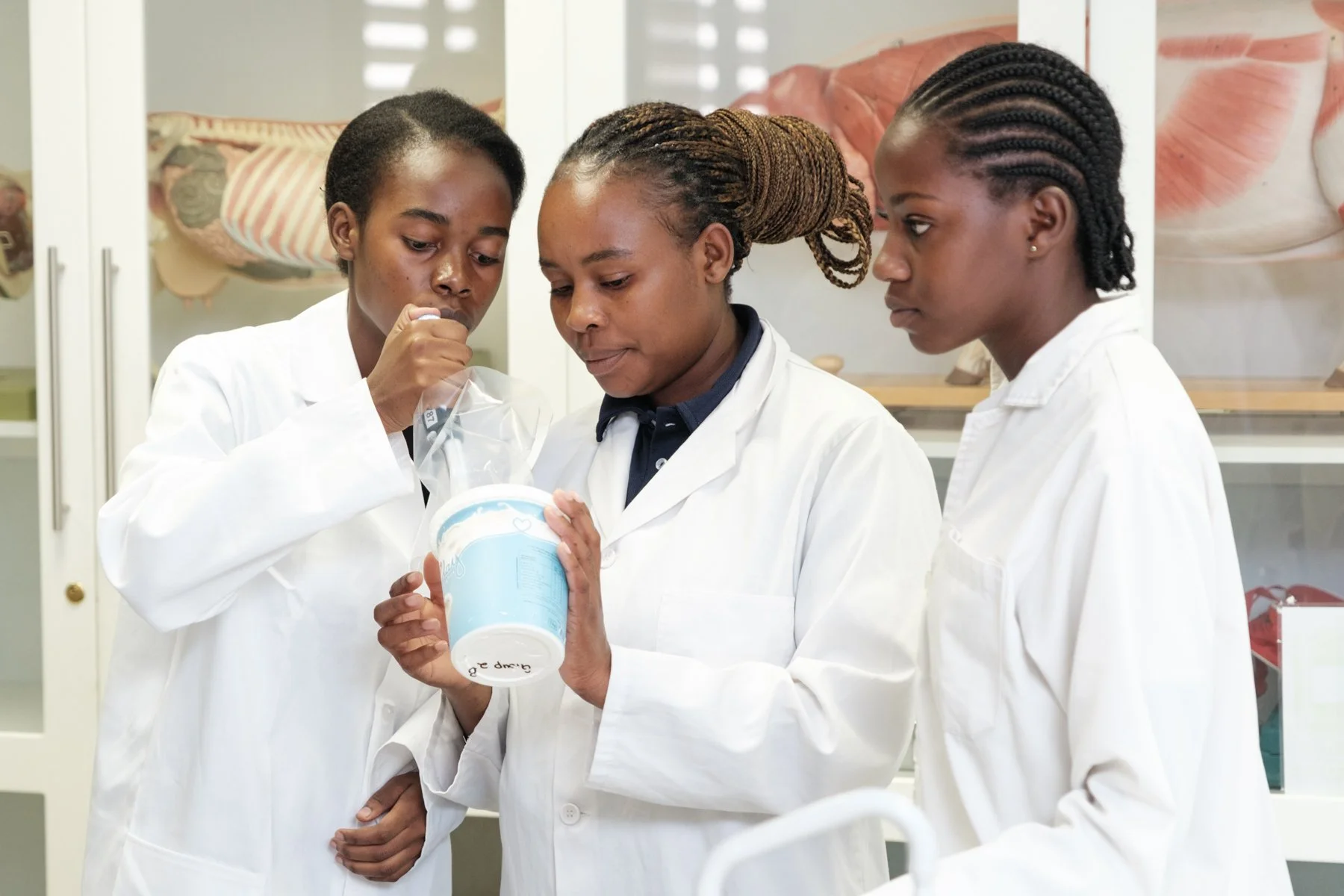
My goal was to encourage students’ interest in food microbiology and to show why food safety is important in daily life. In the project, students worked in teams to study Namibian dishes. They identified possible health risks and suggested improvements for preparation, storage, and handling. This helped them connect theory with real-life situations.
A Strong Partnership with NUST
The cooperation between B360 education partnerships and the staff at NUST is very important for the success of guest lecture’s assignment. Over the years, we have built a strong partnership based on trust and open exchange as well as on a great friendship.
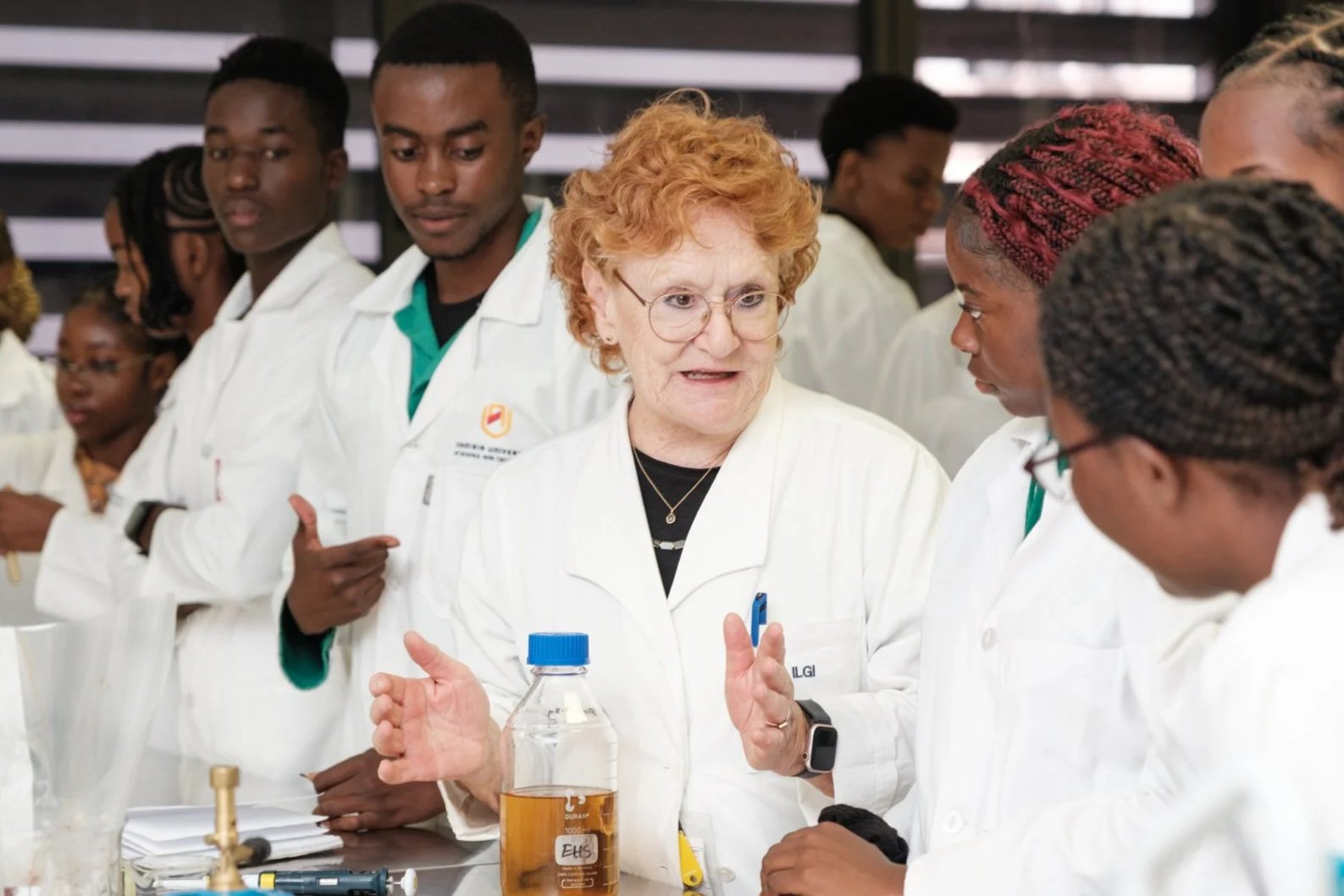
I would especially like to thank the local lecturers, especially my colleagues Ms. Bernolda Benjamin and Ms. Rebecca Shooya, for their great helpfulness and flexibility. They supported my lessons in many ways, helped adjust schedules when needed, and assisted students during lectures and laboratory work. Their support contributed greatly to the smooth and successful implementation of the assignment.
Students’ Effort and Motivation
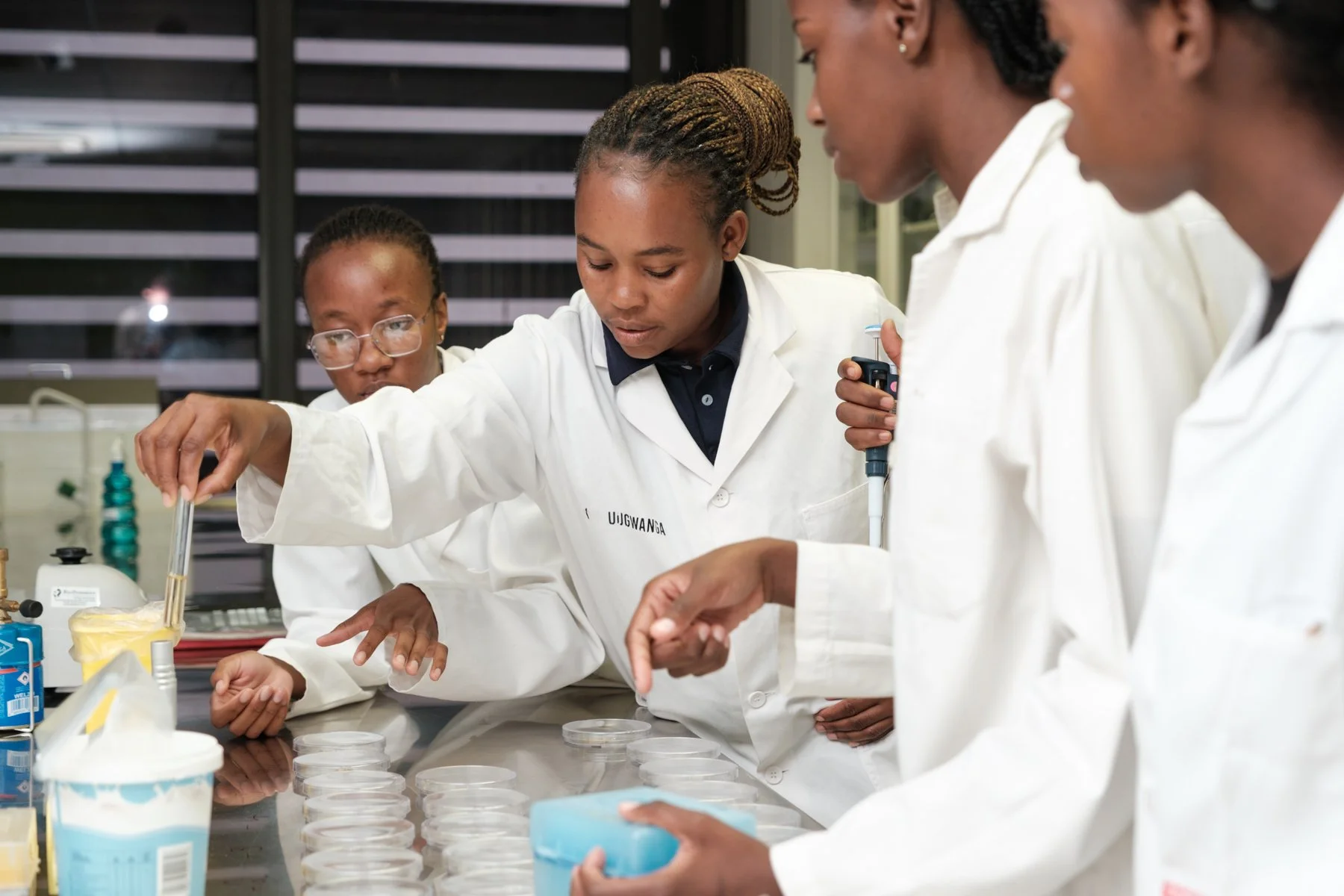
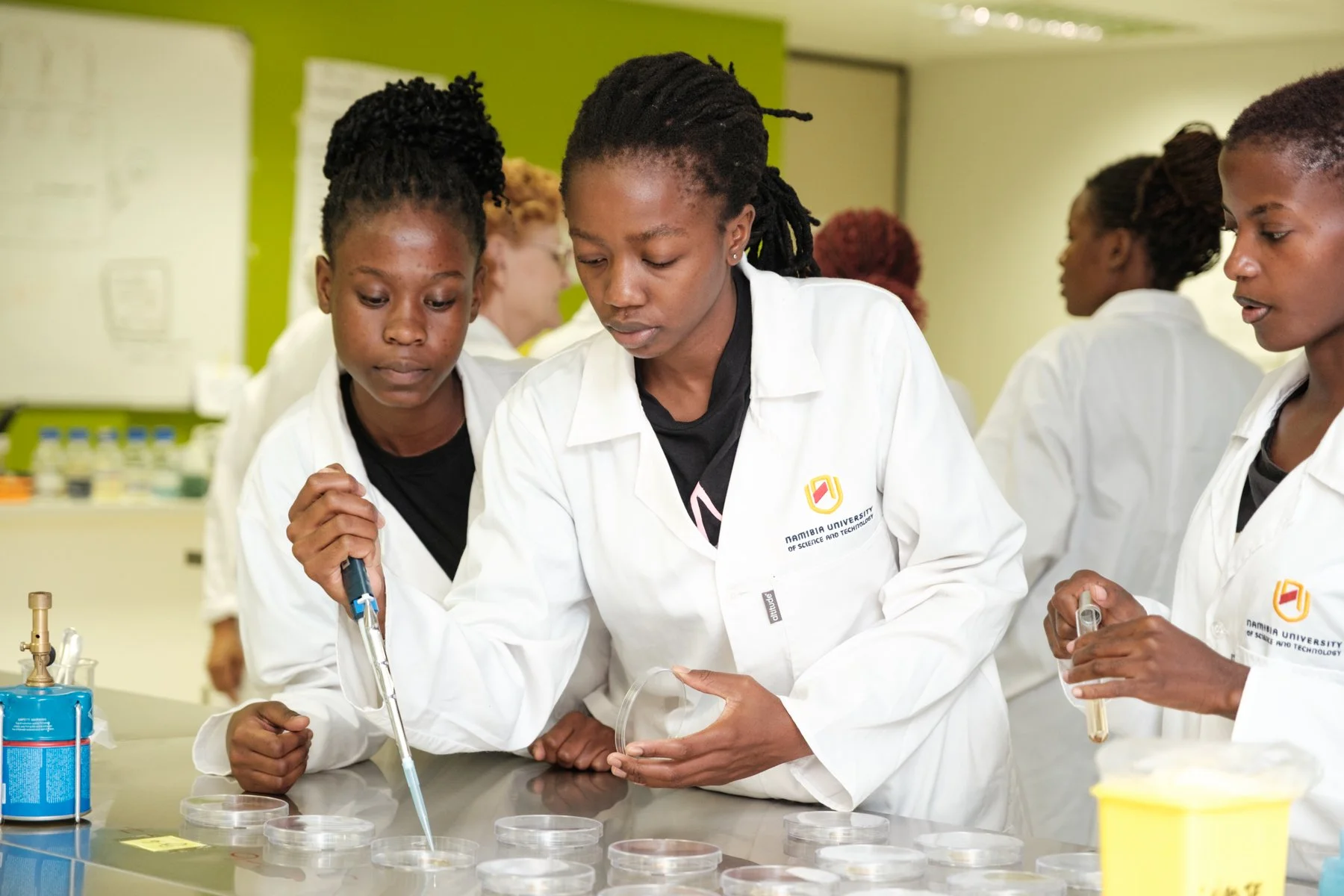
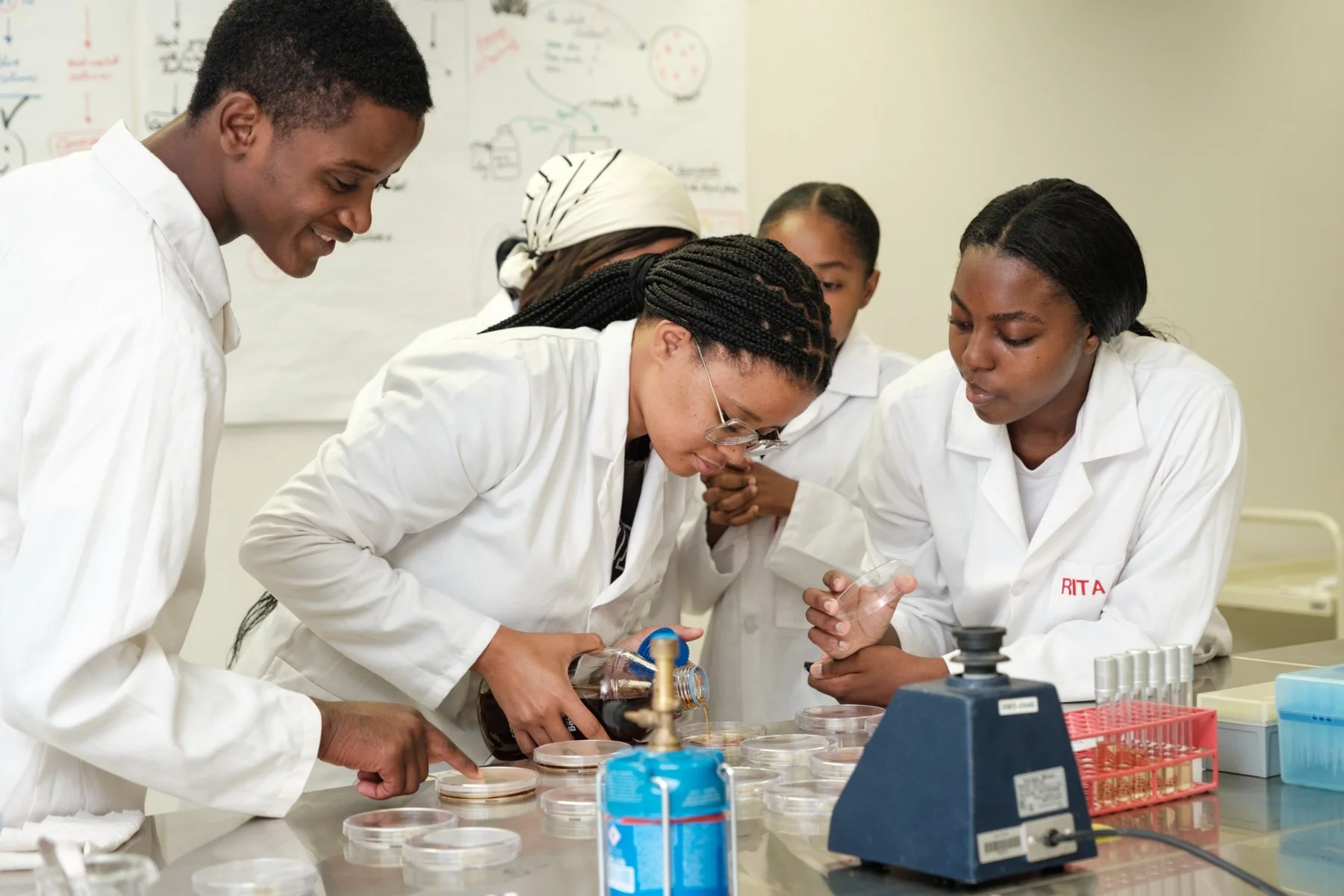
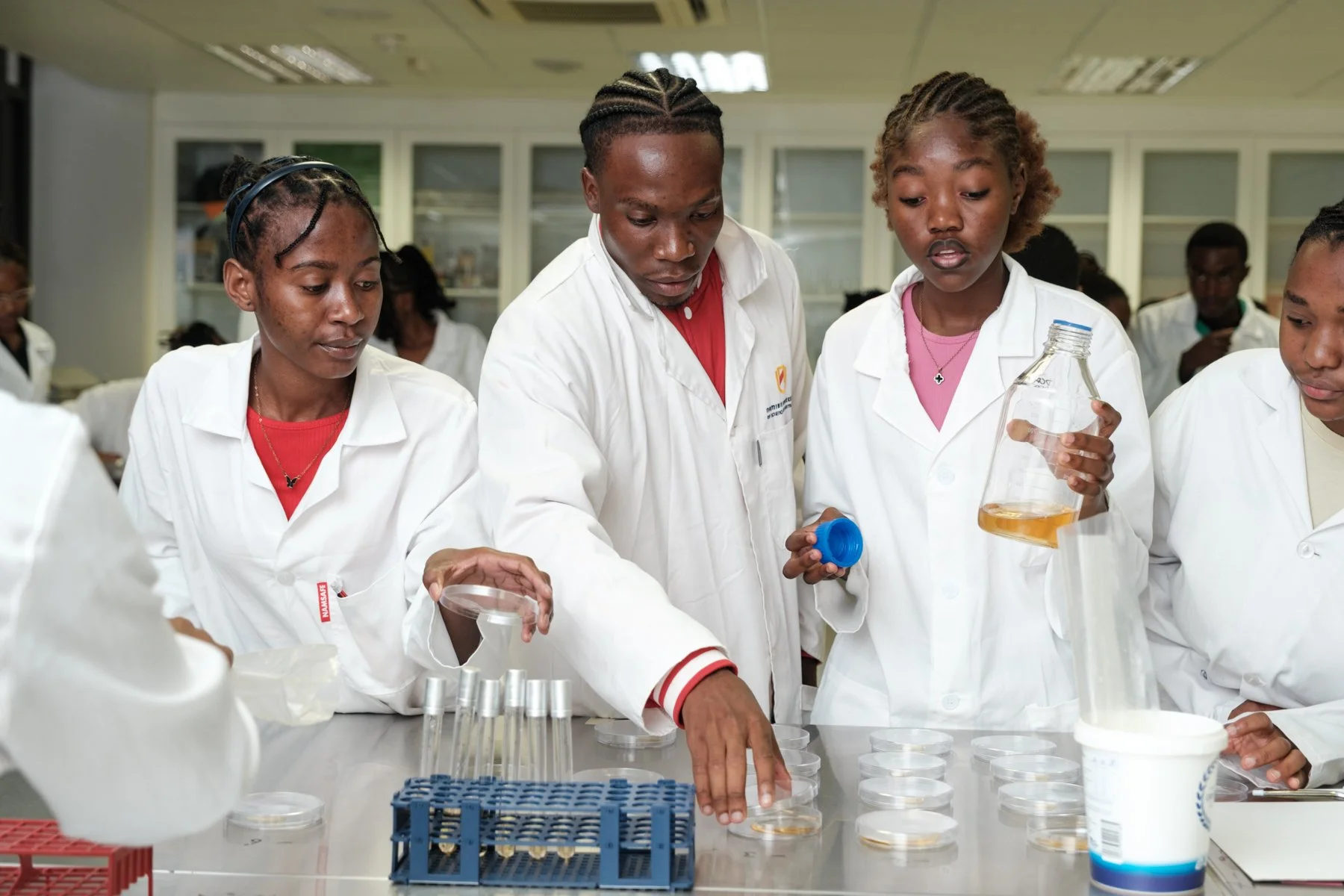
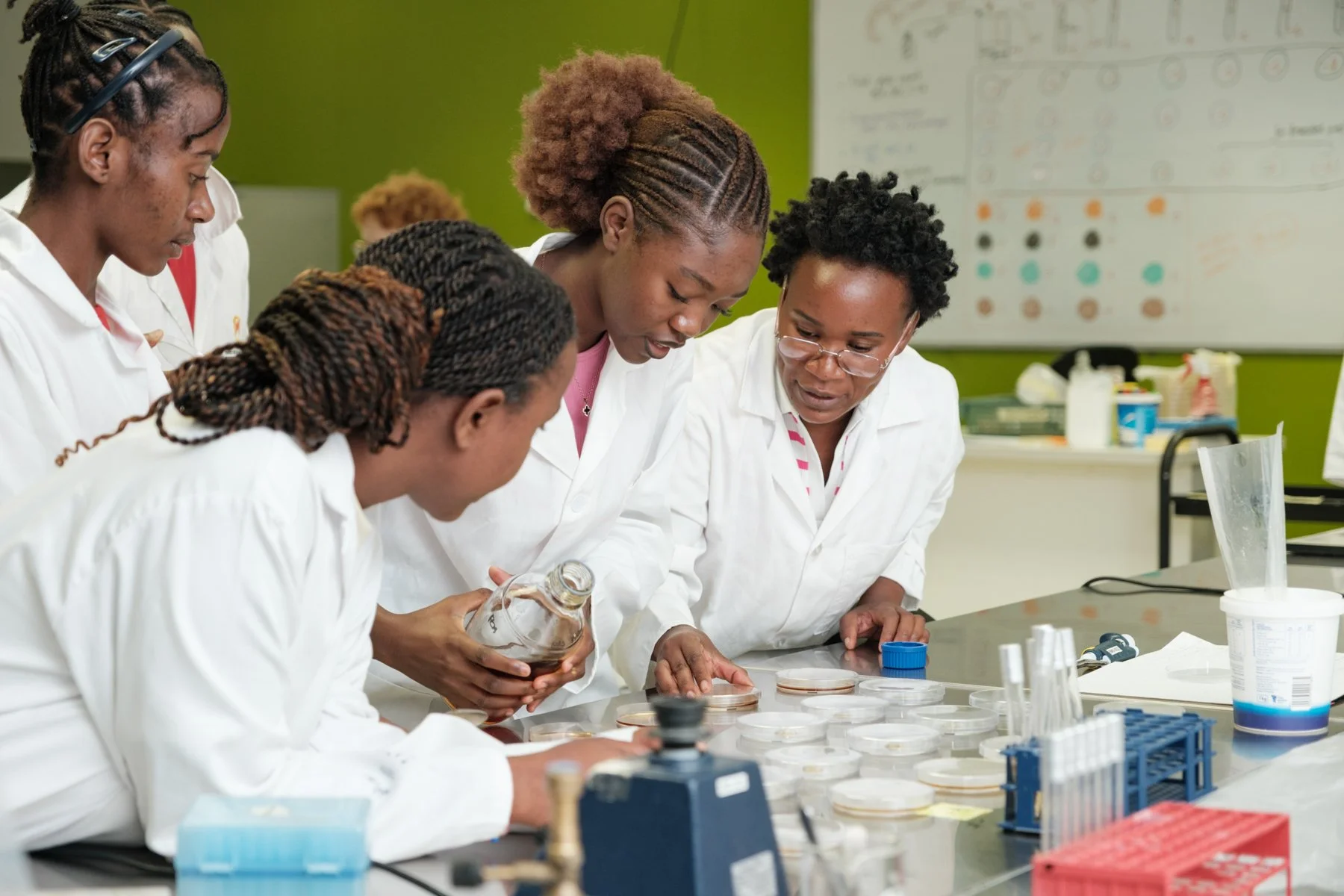
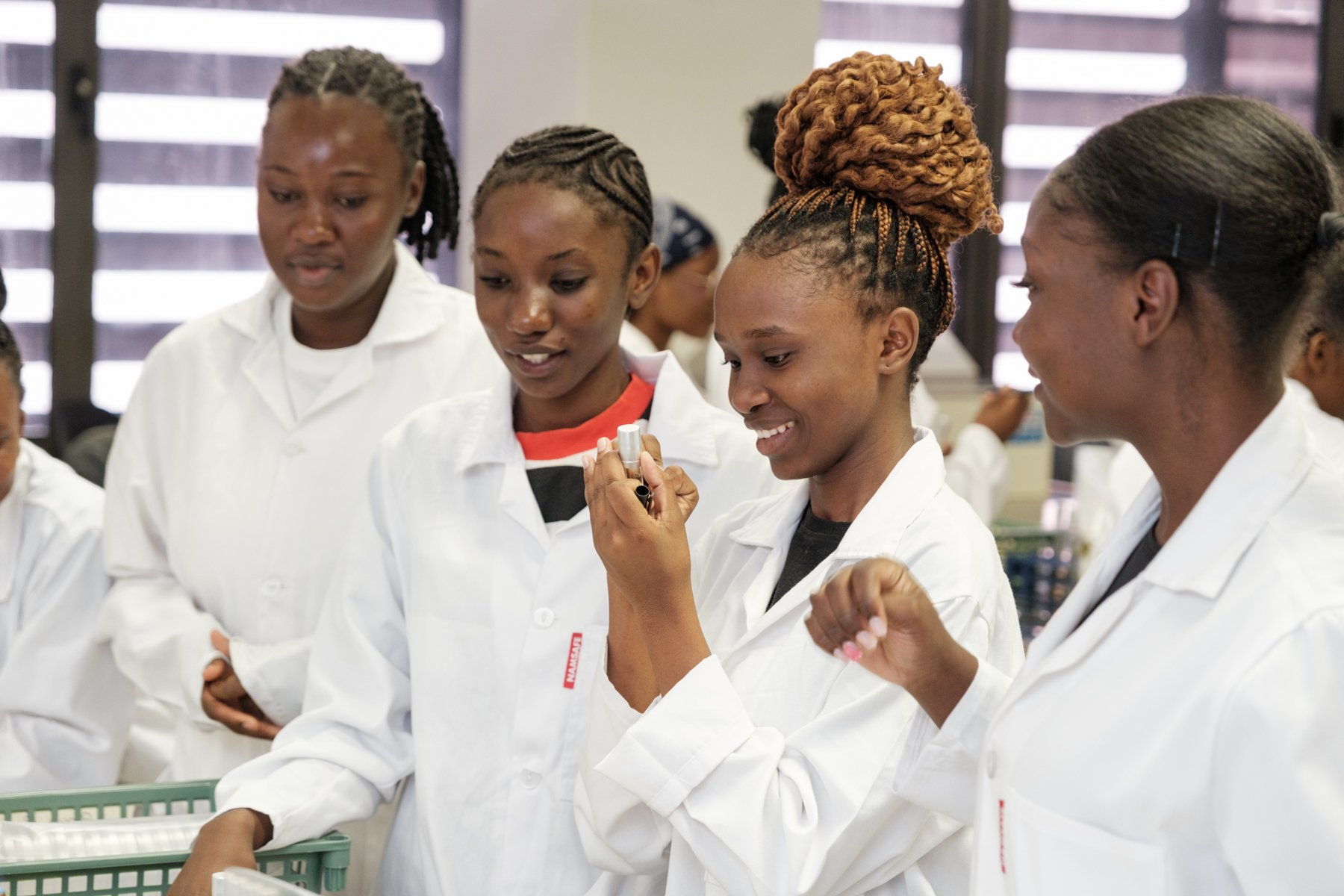
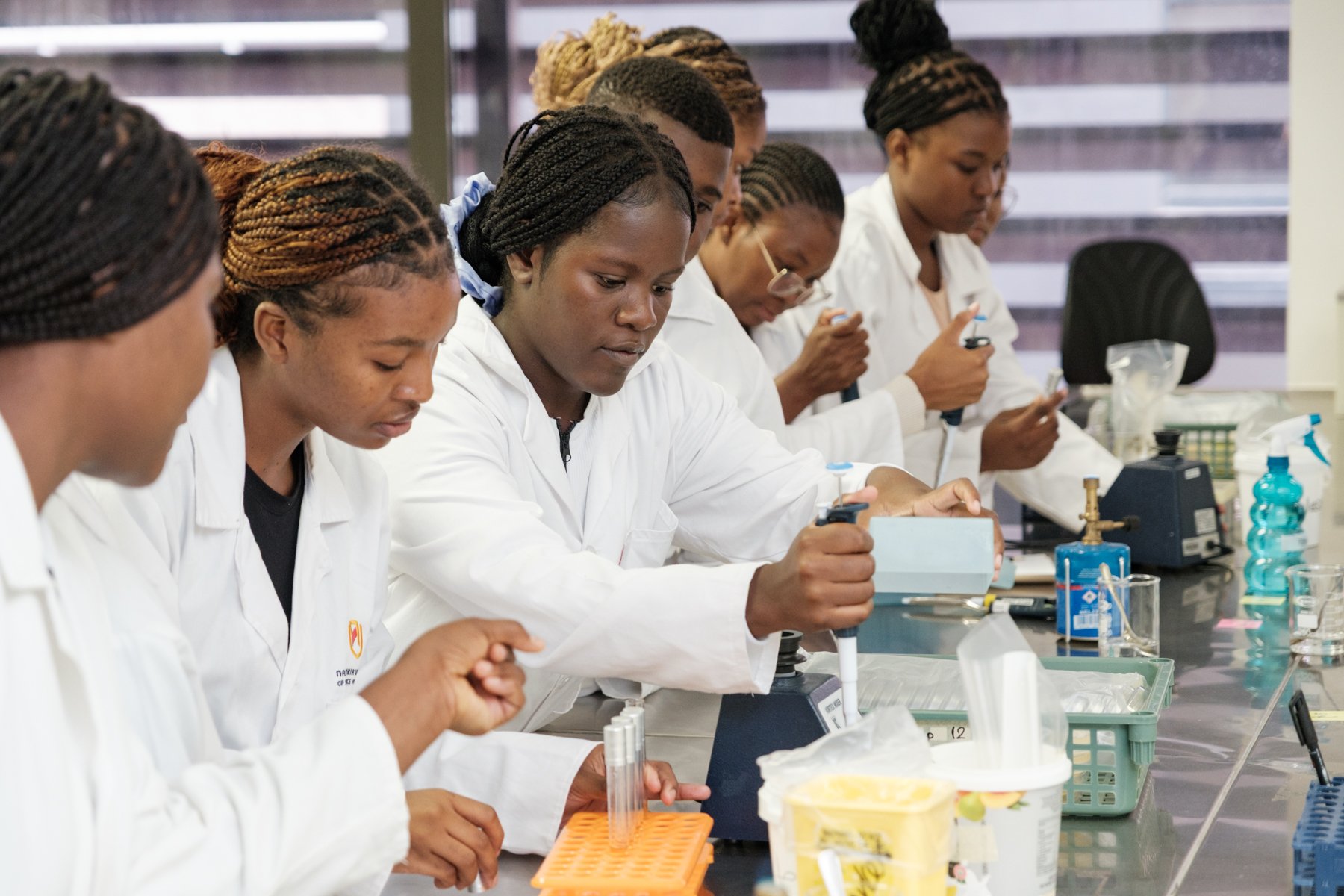
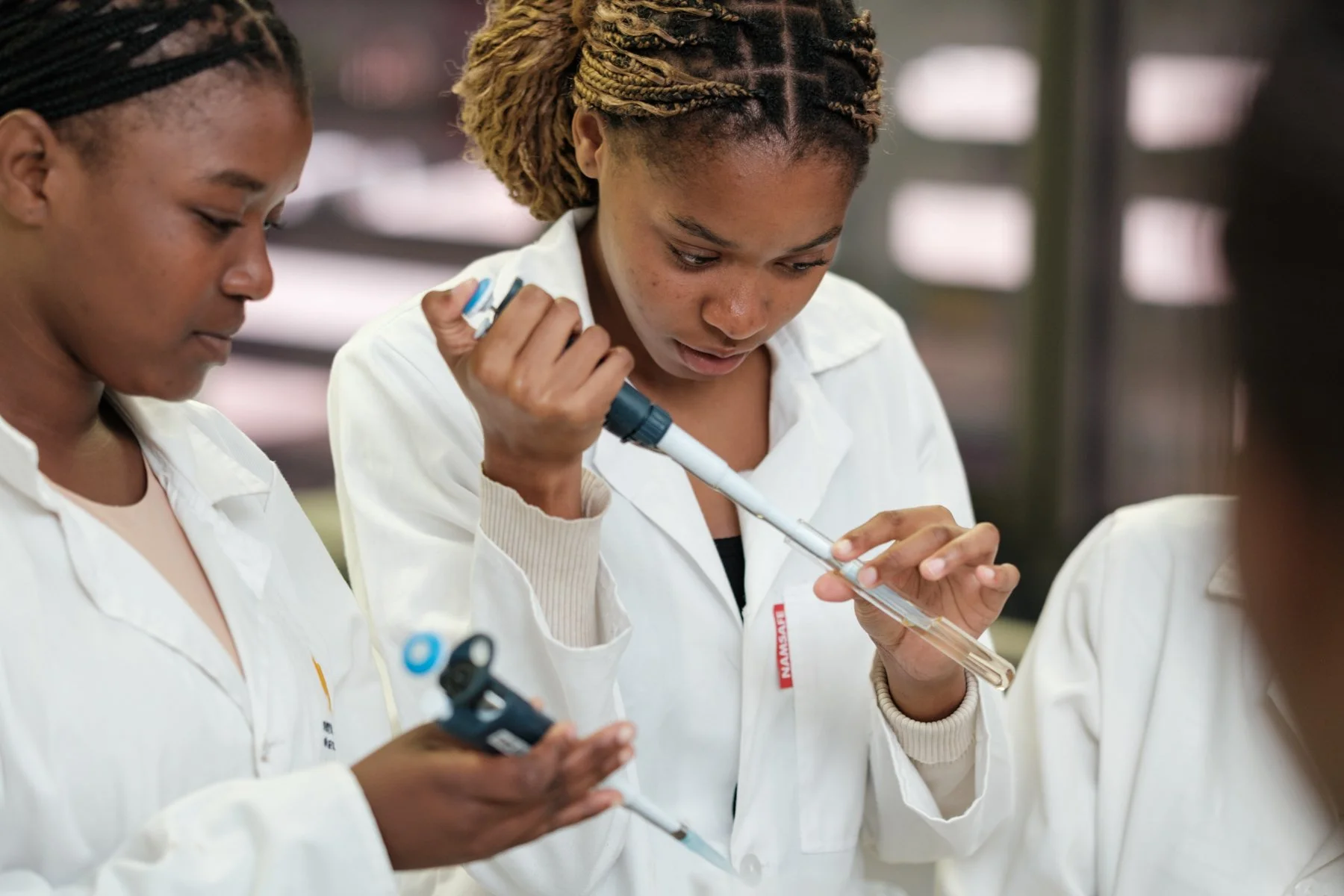
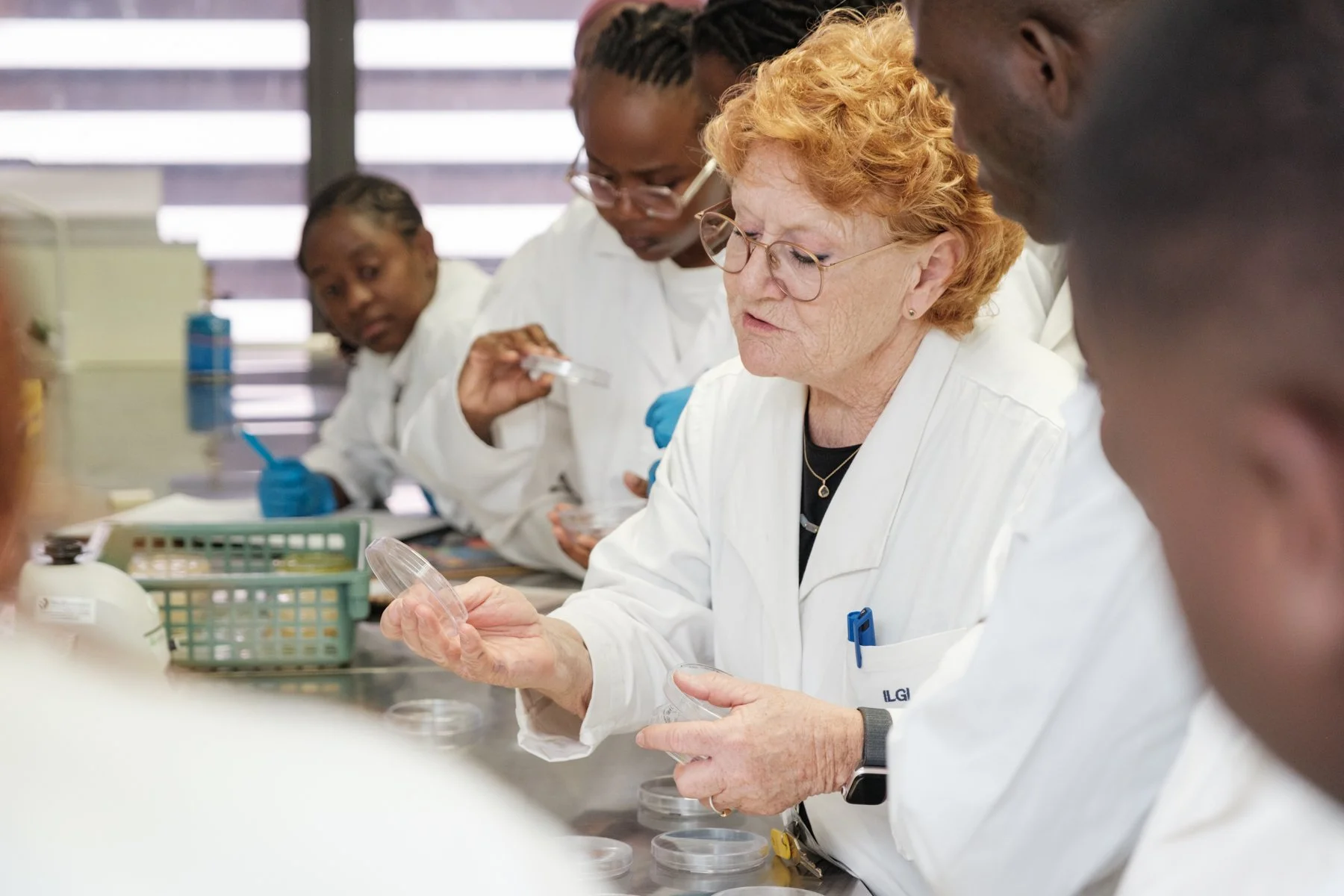
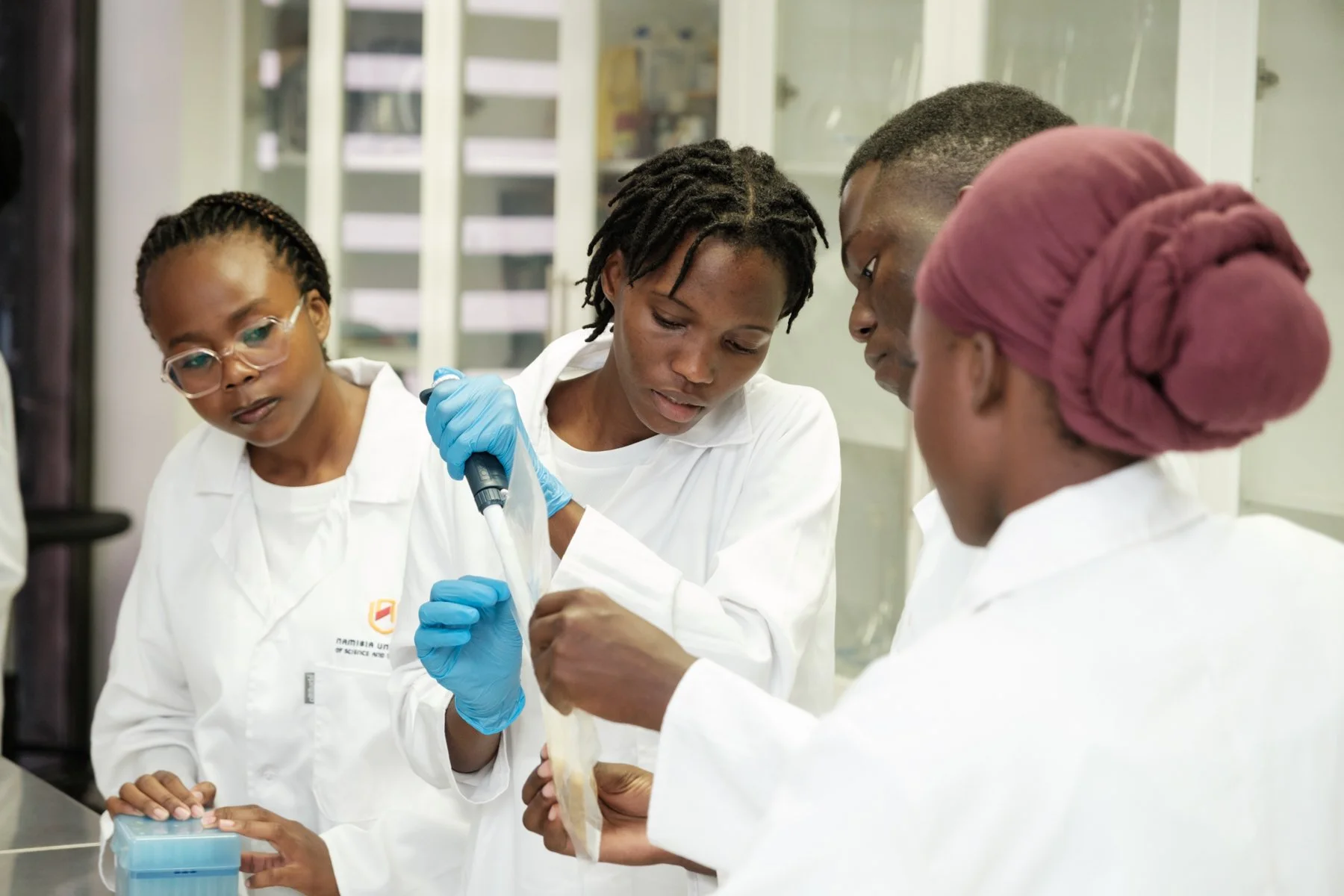
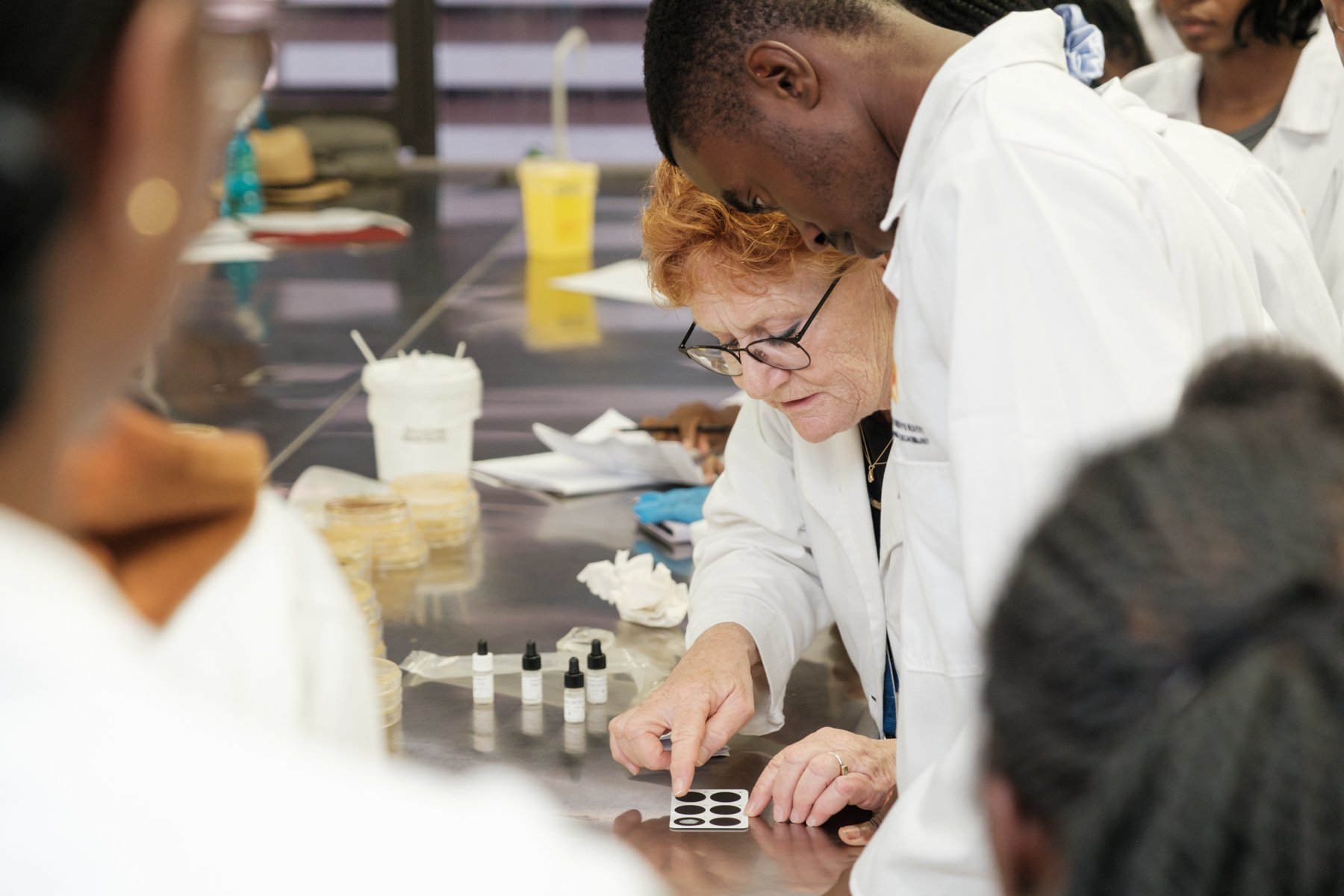
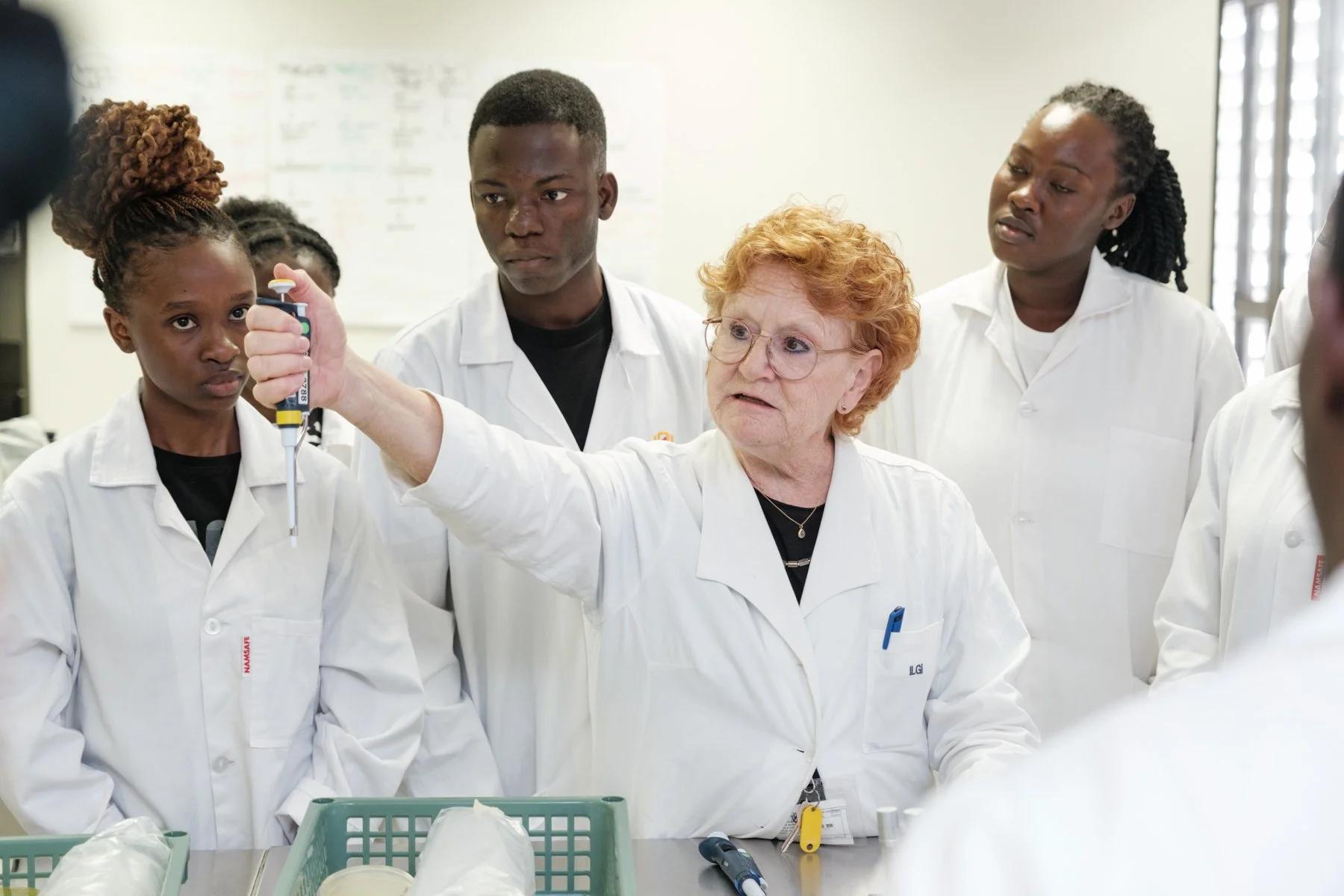
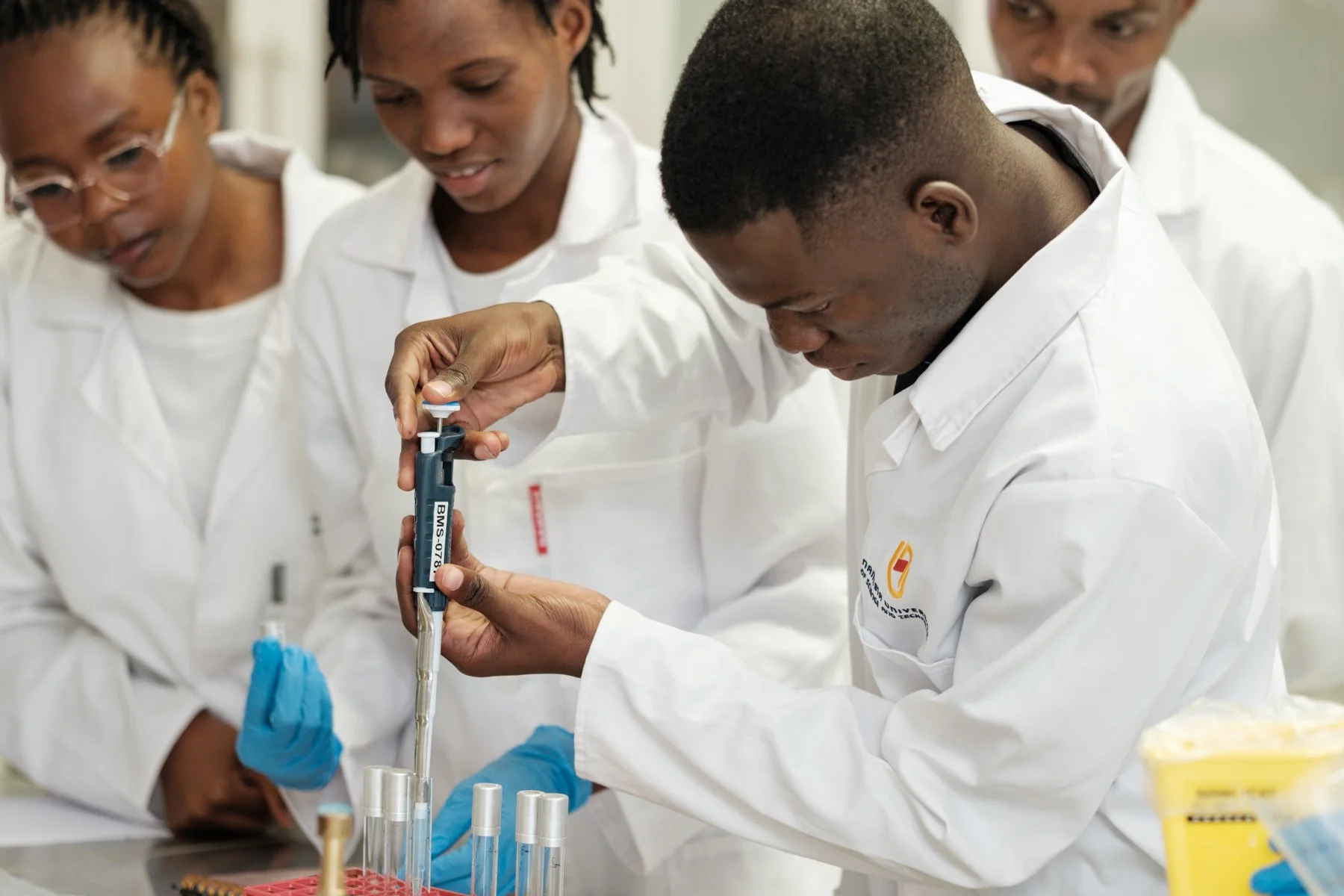
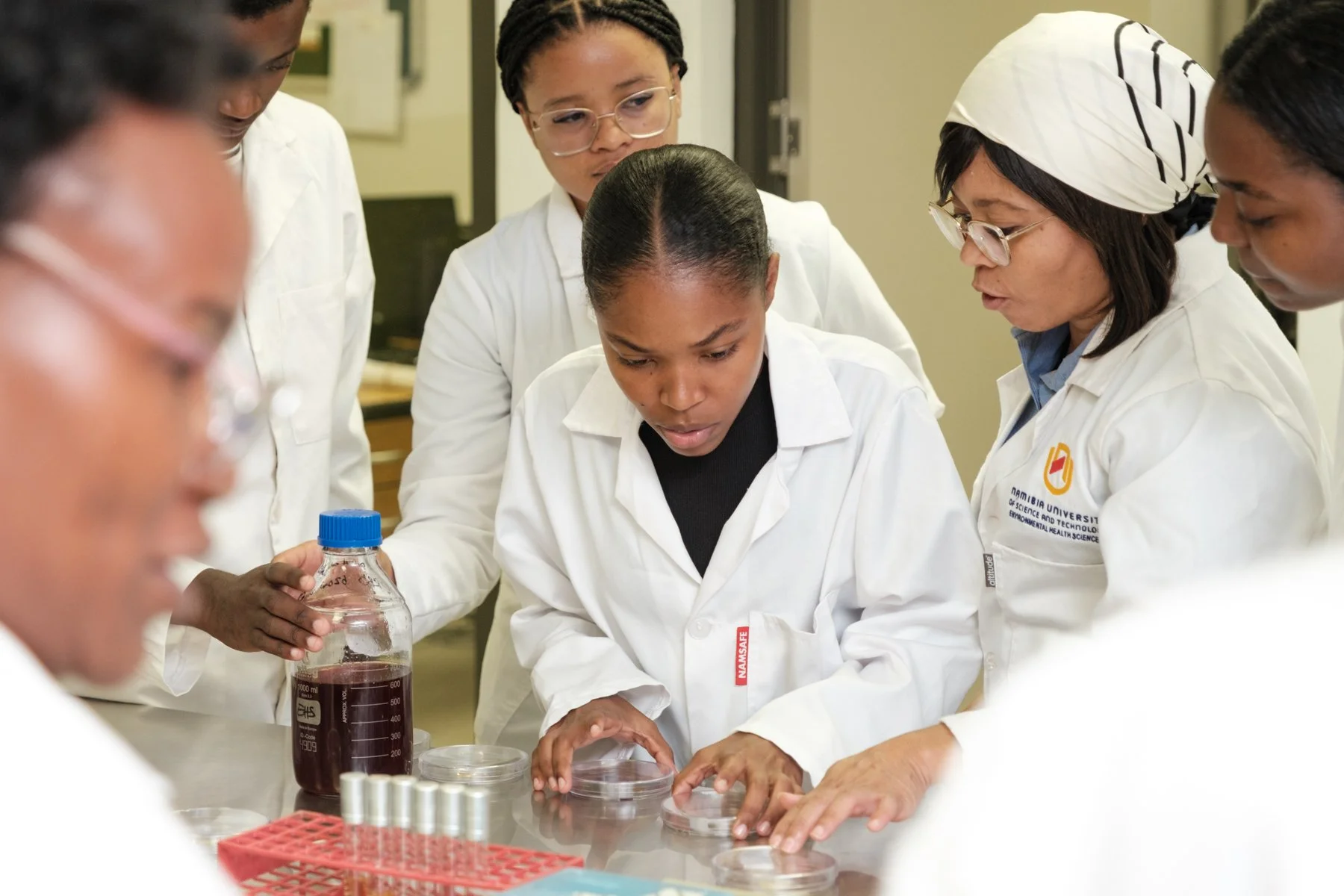
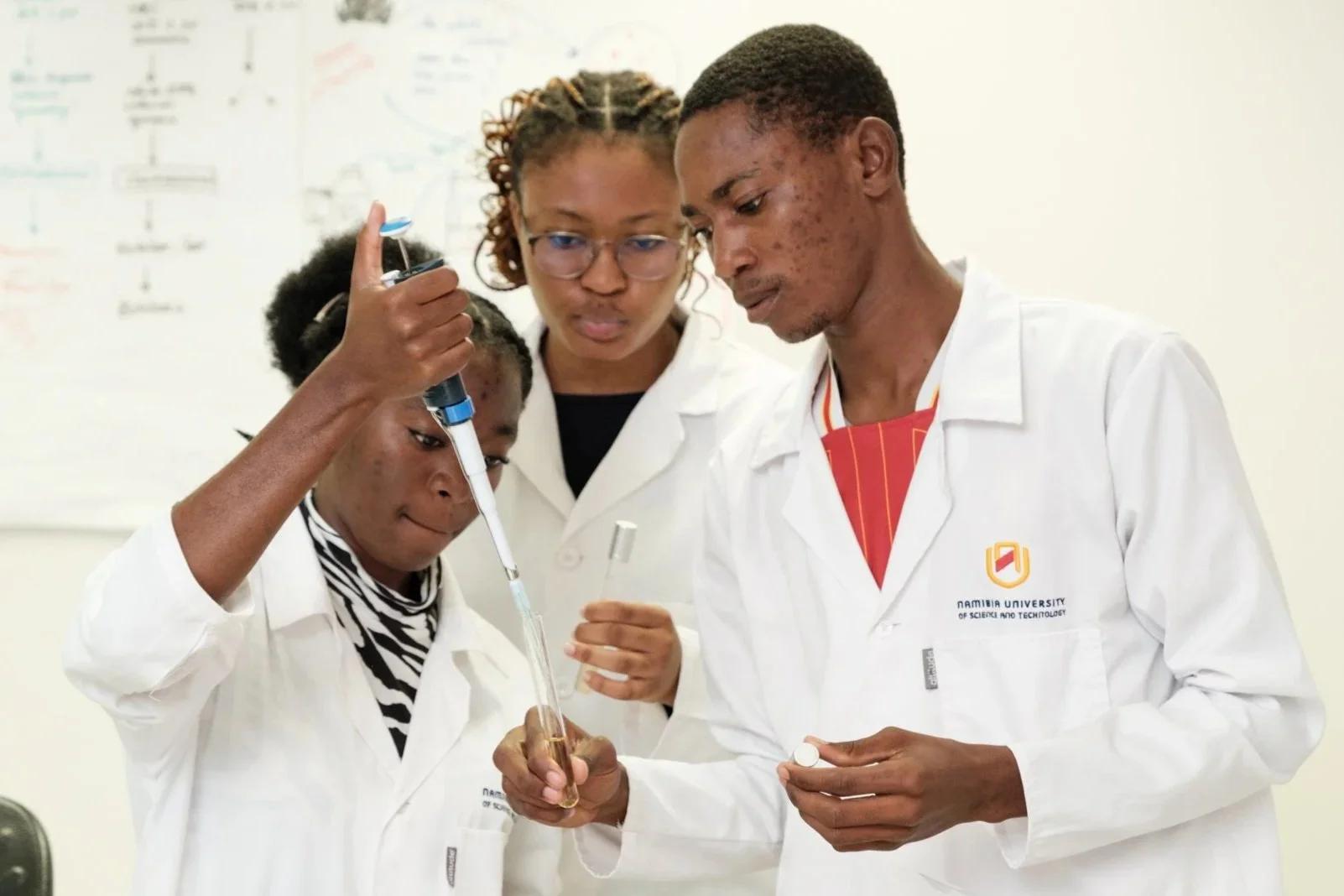
The Food Safety Project, the highlight of the assignment, once again proved to be a very effective learning experience. By combining lectures with laboratory practice, students could better understand food safety challenges. In their teams, they examined traditional food preparation methods, identified possible contamination risks in the laboratory, and suggested safer practices. This hands-on work helped them develop problem-solving skills and increased their awareness of food safety and public health.
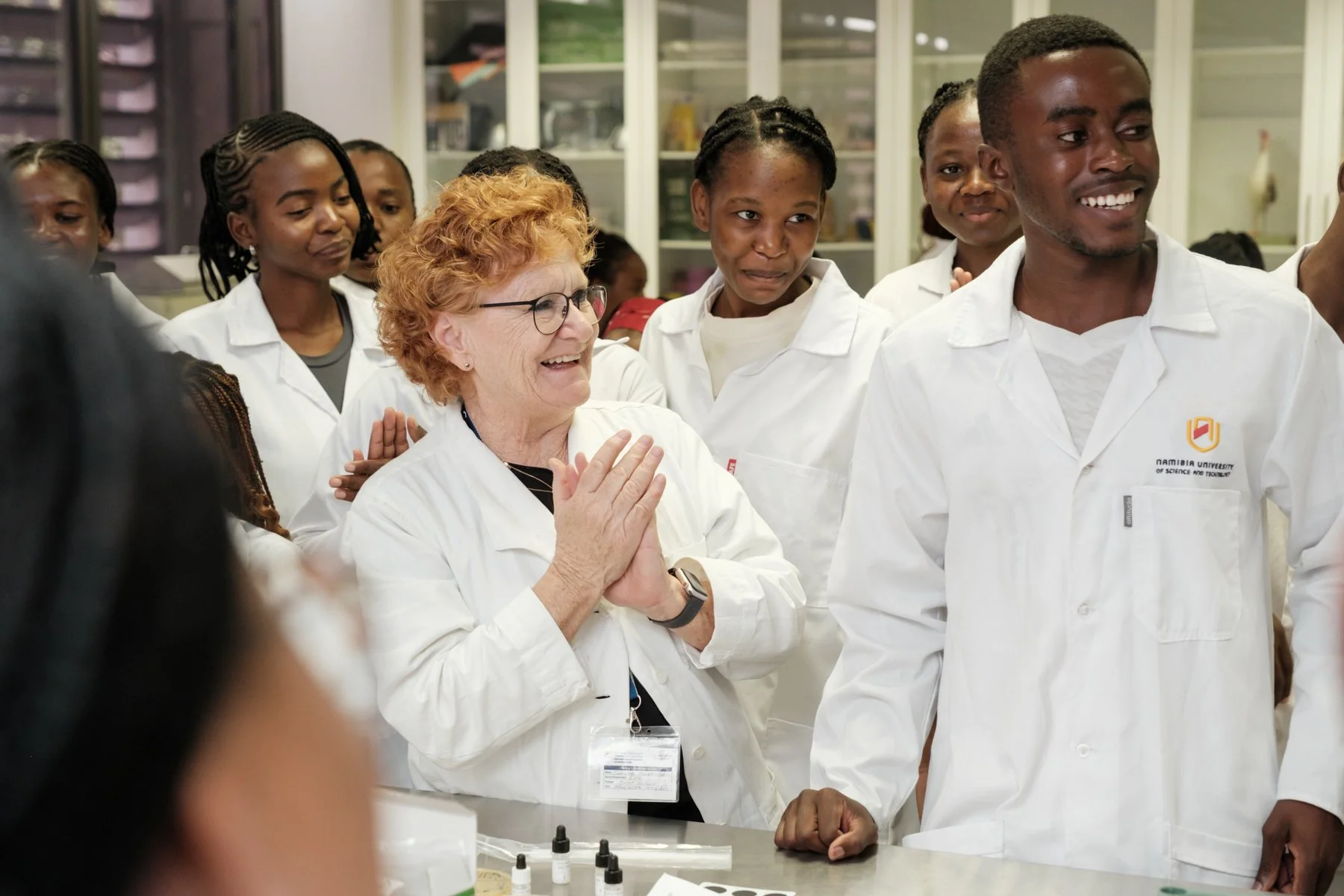
During the assignment, students took part actively in laboratory work and group discussions. They showed curiosity, teamwork, and a great interest in learning. It was very impressive to see their enthusiasm and progress as well as to see how they were able to improve their skills in both laboratory work and team project work over the three weeks. For the students it was particularly motivating that they were allowed to examine food products from their family environment. And for me it was a fascinating journey of discovery into the world of traditional Namibian food.
The 68 students showed strong motivation and commitment throughout the project. It is important to recognize the considerable effort they make to succeed in their studies at NUST. Many students manage demanding studies together with personal responsibilities.
Looking Ahead and personal message
What stayed with me most was the students’ curiosity, teamwork, and determination to succeed in their studies. Exploring the food safety aspects of traditional Namibian dishes together in the laboratory turned the project into a real journey of discovery for all of us. I am deeply grateful to my NUST colleagues for their constant support and flexibility. Experiences like this remind me why educational partnerships such as B360 education partnerships are so meaningful.